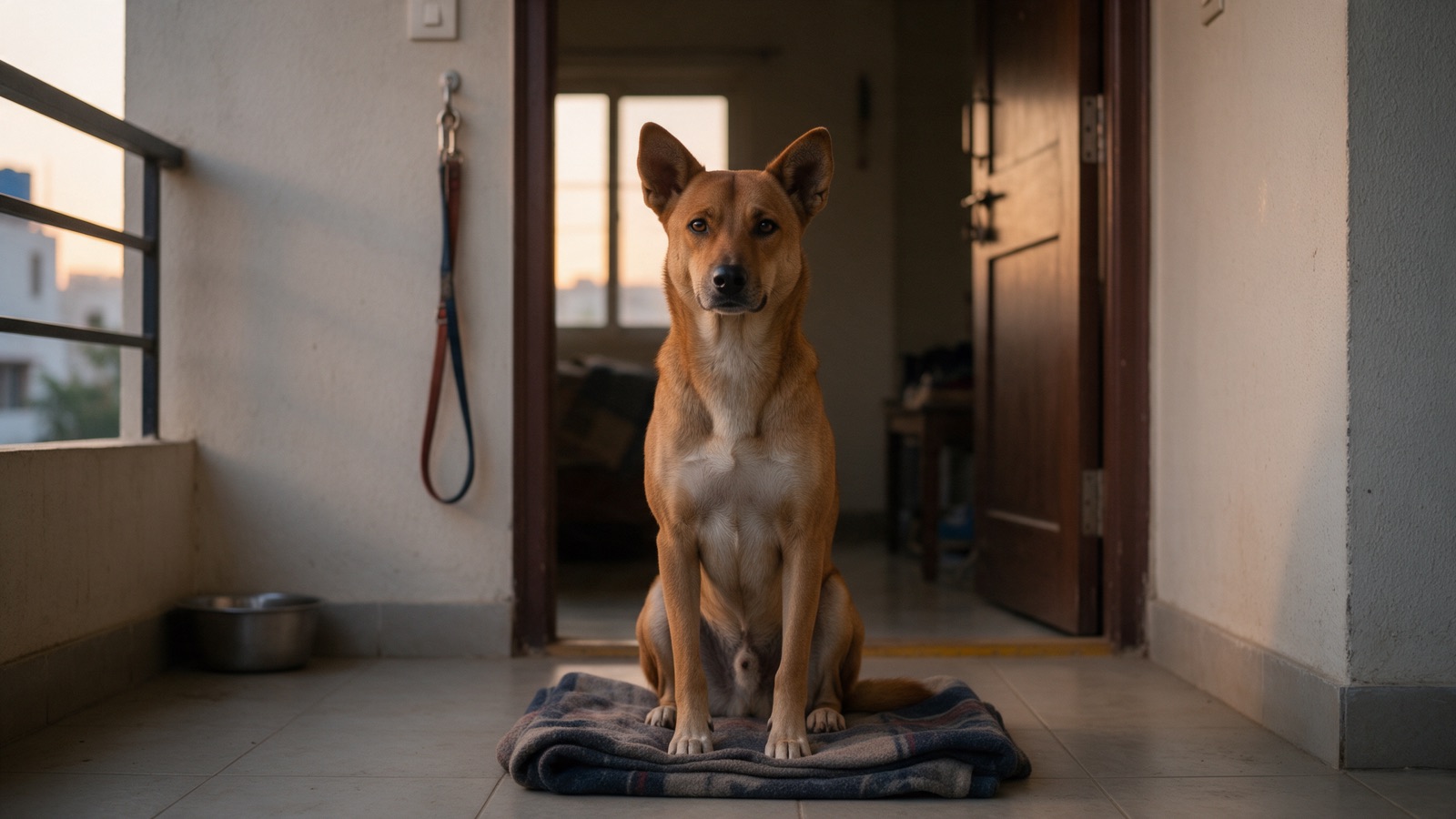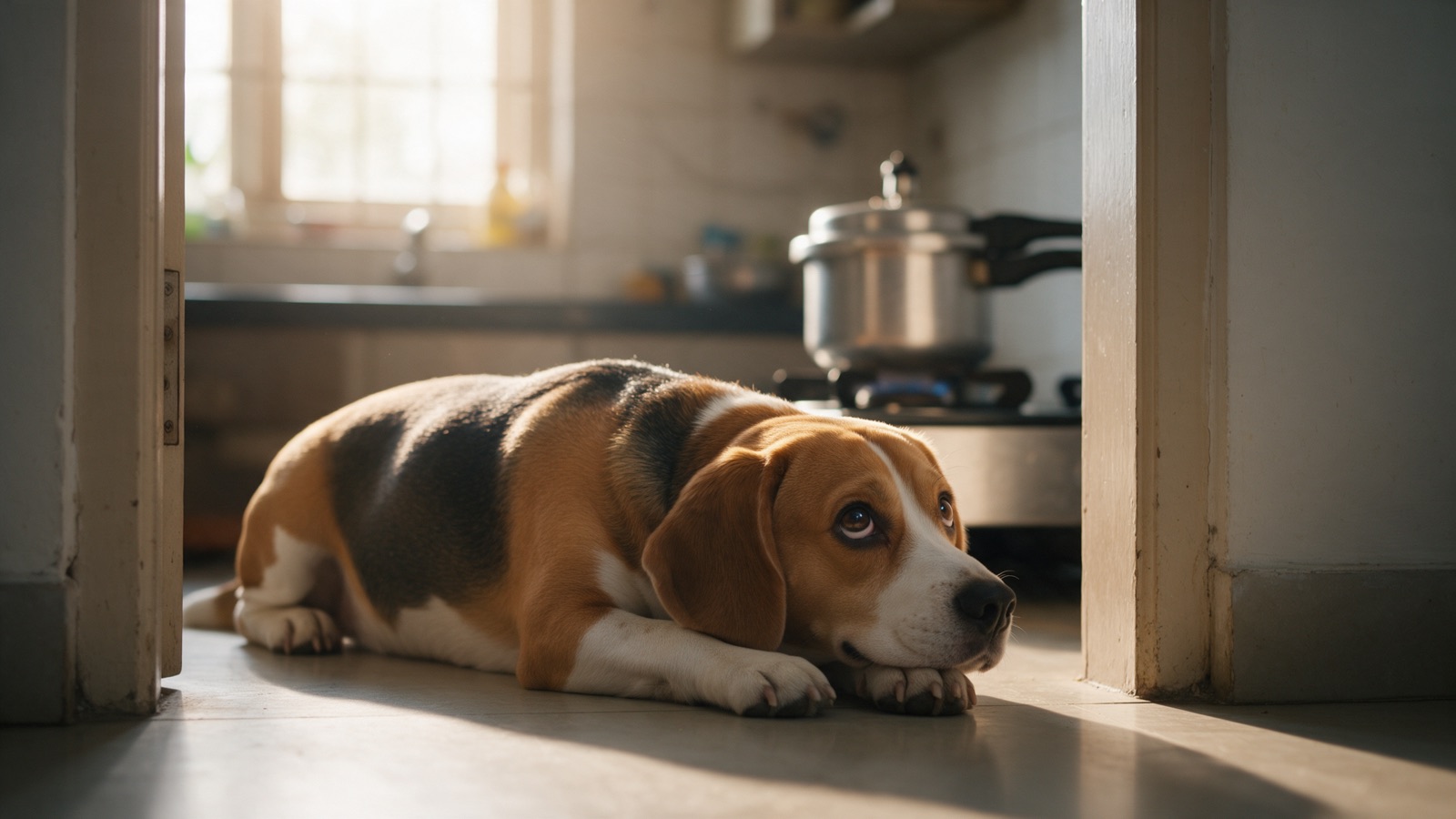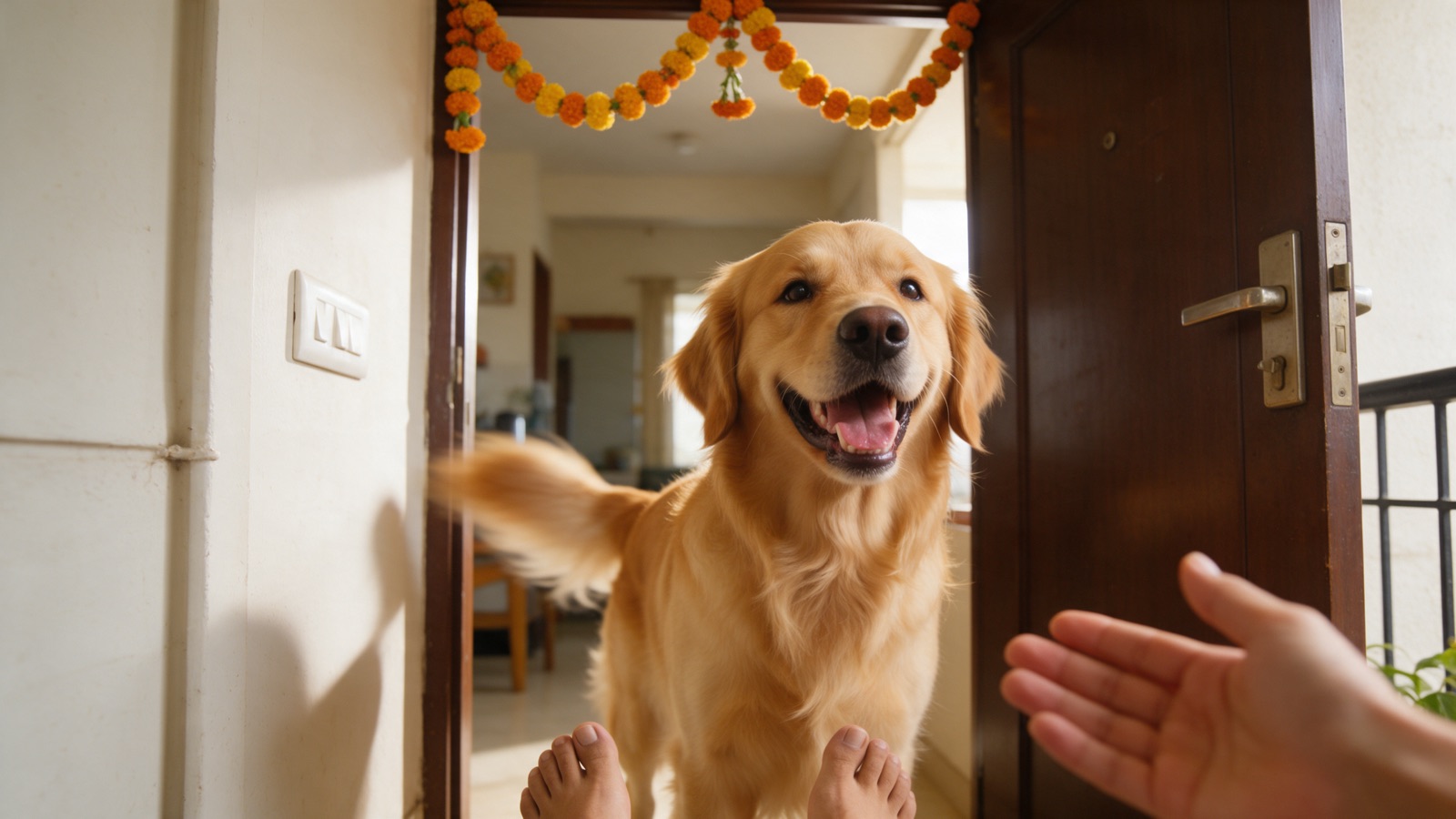
The Water dog: the quiet watcher. Traits, health tendencies, food and exercise
The Water dog watches from the doorway, feels the cold and hates sudden noise. Here is how to recognise one, what TCVM says about their kidneys, bones and ears, and how to feed, walk and reassure them, especially before Diwali.
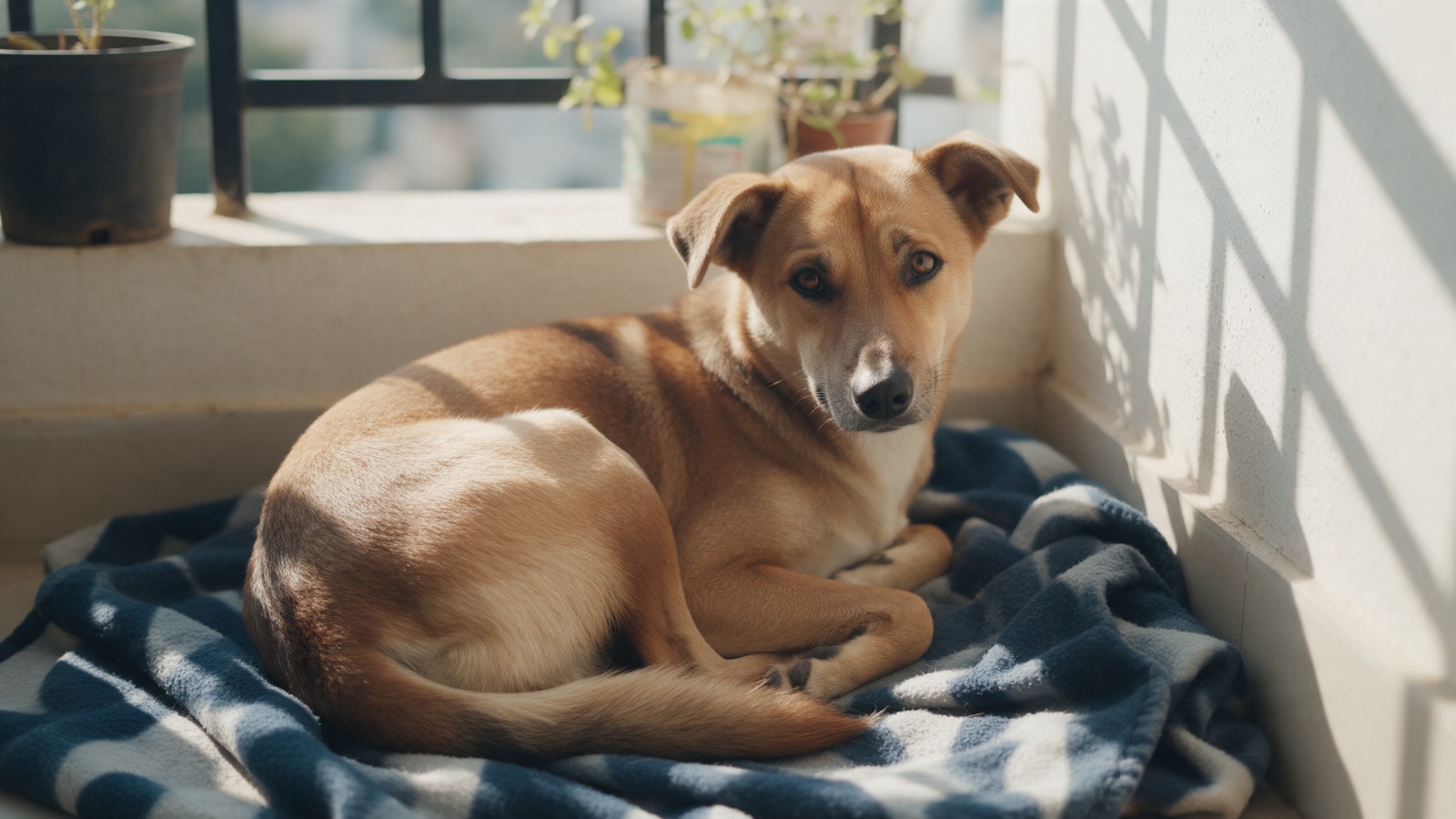
When the doorbell rings, the Water dog is the one who goes quiet, watches from behind your legs and decides about the visitor only after a long, careful look. They feel the December chill before anyone else, curl into the warmest corner of the house, and hear a pressure cooker whistle from three rooms away.
This is the last of the five element types in our series. If you have just arrived, begin with the beginner's guide to the Five Elements, then read about the Wood, Fire, Earth and Metal dogs. Today: Water, the quiet watcher.
An honest note: the Five Elements are a traditional Chinese veterinary medicine (TCVM) framework for observing temperament and tendencies. It is not a diagnosis, the scientific evidence for it is limited, and any health sign belongs with your vet.
The Water dog watches the doorbell from behind your legs and decides about the visitor later.
What Water means in the tradition
In TCVM, Water is linked with winter, cold, the kidneys and bladder, and the bones, ears and hearing. Its emotion is fear, in the sense of caution and self-protection. Water is also the element most associated with ageing, so many dogs show more Water traits as they grow old. The character that grows from this is deep, sensitive and careful: a dog who survives by noticing everything.
How to recognise a Water dog
Tick what fits. Several ticks suggest a strong Water streak; most dogs are blends.
- Watches new people, dogs and places for a long time before approaching.
- Startles at sudden sounds: horns, thunder, pressure cookers, crackers.
- Deeply attached to their person, often following them from room to room.
- Seeks warmth: sunny balconies, blankets, the spot you just got up from.
- Barks from behind you rather than in front of you.
- Good at resting; content with a quiet day.
- Older dogs: stiffer in cool weather, drinking or peeing a little more, hearing less.
Many rescued street dogs show Water traits in their first months at home, and that is often history rather than nature. Give them time before you decide.
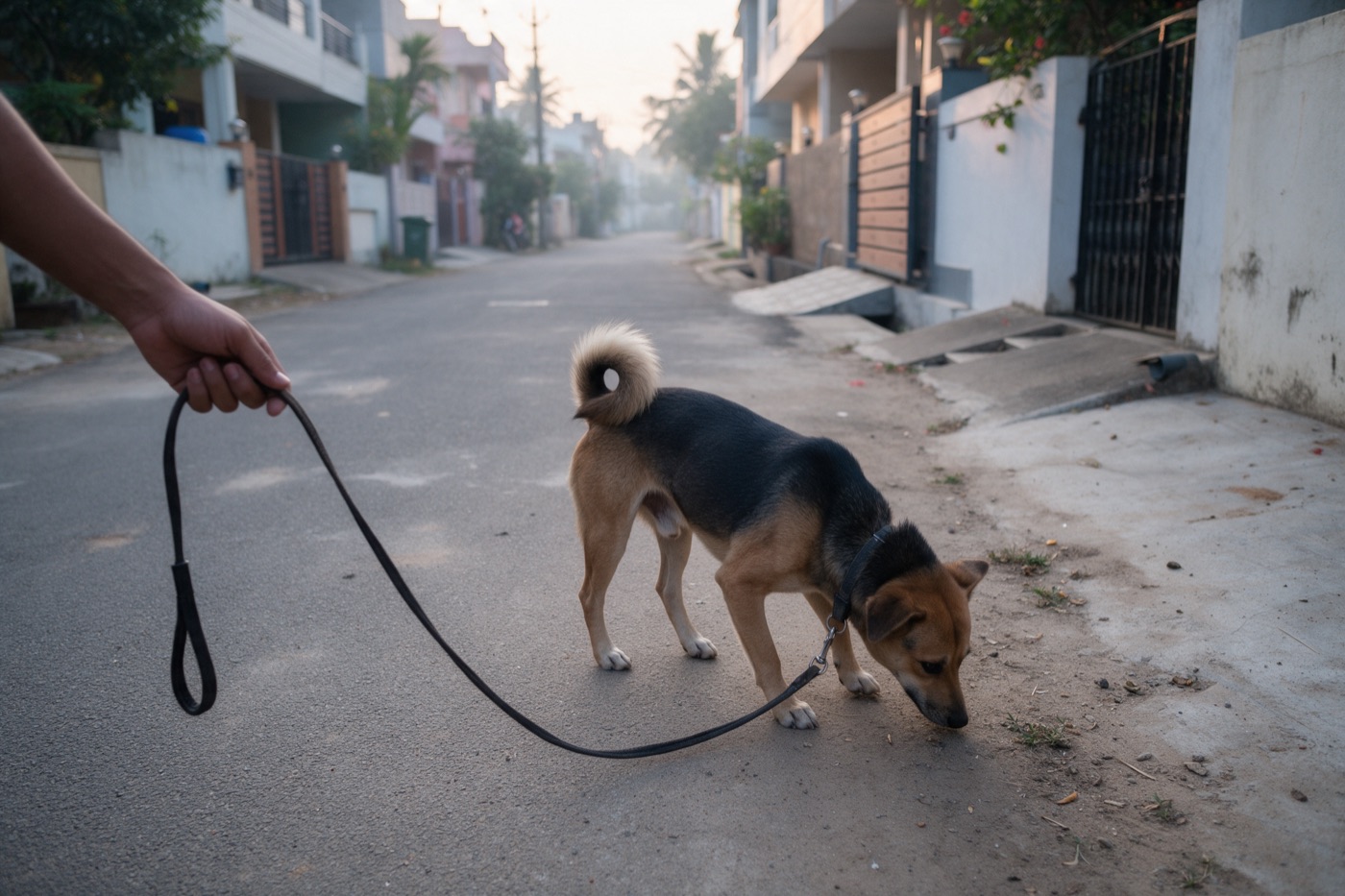
Strengths of the Water dog
- Perceptive: they notice small changes in you and the household before anyone else.
- Gentle: usually soft-mouthed and careful with children and smaller pets once they trust them.
- Loyal and close: a Water dog's bond is quiet and deep.
- Calm company: happy in a peaceful home and not demanding about constant activity.
- Thoughtful learners: they do well with patient, reward-based training.
How a Water dog reacts to stress
Under stress a Water dog moves towards safety. You may see:
- Hiding under beds, behind sofas or in the bathroom.
- Trembling, a tucked tail, ears pinned back, lip licking and yawning.
- Clinging to you, or refusing to go out for walks.
- Peeing when frightened or when greeted.
- Growling or snapping only when cornered with no way out.
Never punish fear; it only teaches the dog that you are unpredictable too. Give them a safe den, let them come out in their own time, and reward small brave choices. Trembling and hiding can also be signs of pain or illness, so if this behaviour appears out of the blue, see your vet.
With Diwali less than two weeks away, this matters now. Our two-week sound training plan and Diwali safety guide are written for exactly this dog. If your dog panics badly at noise, ask your vet about anxiety medication well before the festival; never give human calming medicines on your own.
Never punish fear; it only teaches the dog that you are unpredictable too.
Health tendencies in TCVM, and what needs a vet
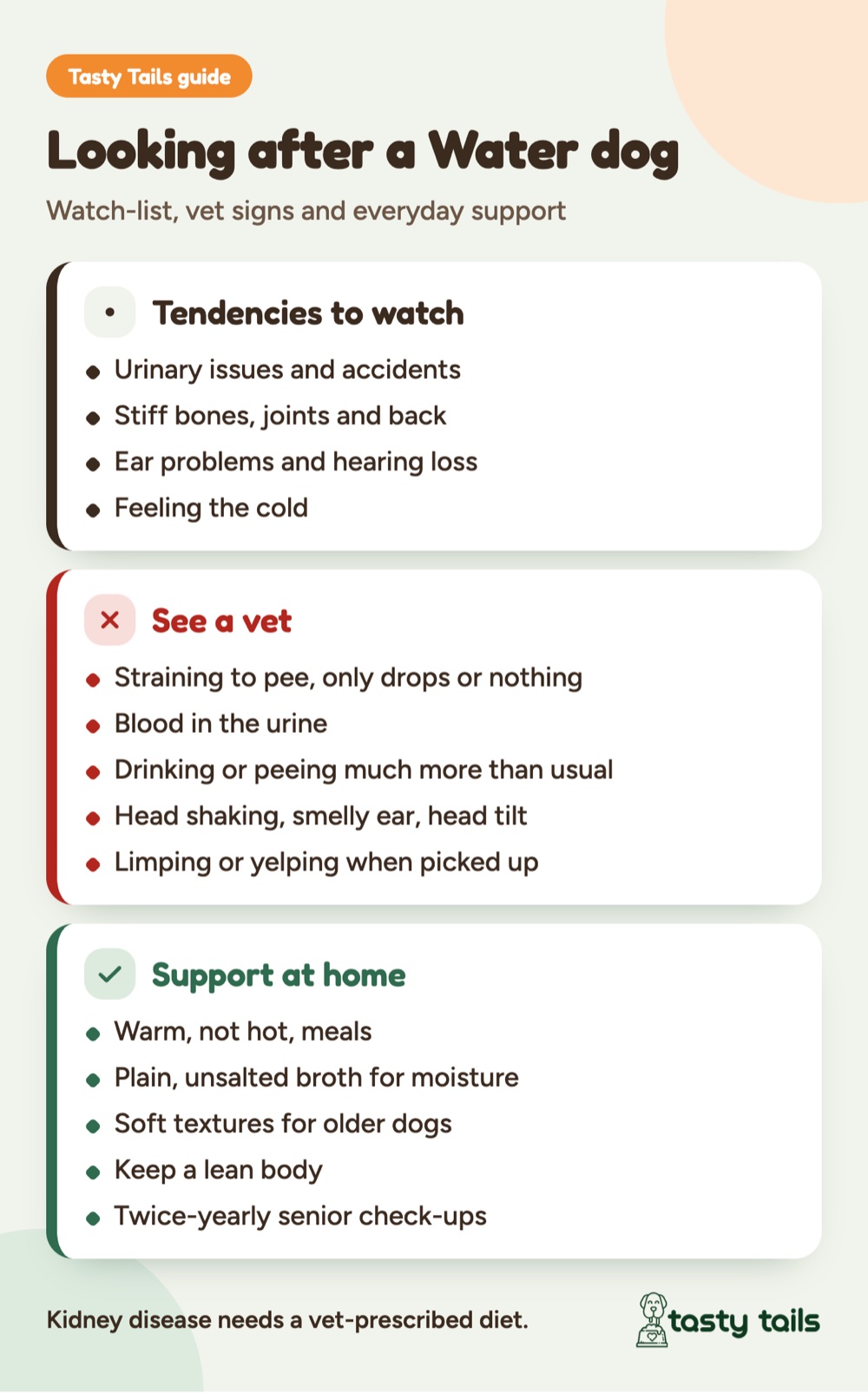
Because the tradition ties Water to the kidneys, bladder, bones and ears, practitioners keep an eye on Water dogs for:
- Urinary issues: accidents, frequent peeing, bladder infections.
- Bones, joints and back: stiffness, particularly on cold mornings, and lower back weakness in older dogs.
- Ears and hearing: ear problems and age-related hearing loss.
- Feeling the cold and slowing down with age.
These are tendencies, not predictions. Your dog is not destined for kidney disease because they are shy. But because several of these issues are common in older dogs anyway, Water traits are a good nudge to keep up regular check-ups. Many vets suggest twice-yearly visits with blood and urine tests for senior dogs.
These signs need a vet:
- Straining to pee, passing only drops or nothing at all: go now, as a blocked bladder is an emergency.
- Drinking or peeing noticeably more than usual, or new accidents in the house.
- Blood in the urine.
- Increased thirst together with vomiting, poor appetite or weight loss.
- Limping, yelping when picked up, or reluctance to climb stairs or jump into the car.
- Head shaking, a smelly or red ear, a head tilt or loss of balance.
- Sudden hearing loss or a sudden change in behaviour.
Our 10-minute home health check includes ears, weight and energy, and is a good monthly habit for a Water dog.
Food ideas for a Water dog
The tradition usually supports a Water dog with warming, nourishing food, especially in the cooler months. Translated into sound nutrition:
- Warm, not hot, meals. Serve food at room temperature or slightly warm rather than straight from the fridge. Warmth can make food more appealing to older dogs with a weaker sense of smell.
- Warming proteins in moderation: chicken and mutton sit on the warming side of most TCVM food lists, with eggs as a neutral option. See our guide to warming and cooling foods for more.
- Moisture for the urinary tract. Fresh food and plain, unsalted broth help a dog take in more water, which vets also recommend for urinary health.
- Soft textures for older dogs with worn teeth.
- A lean body. Extra weight strains ageing joints; our body condition score guide shows how to check.
One important rule: if your dog has been diagnosed with kidney disease, do not try to support the kidneys with food on your own. These dogs usually need a vet-prescribed diet that controls phosphorus and protein, and well-meant extras can work against it. For every dog, the base diet must be complete and balanced.
Exercise and routine
- Quiet routes and quiet hours. Early mornings before the traffic, on familiar lanes rather than busy main roads.
- Sniff walks: letting a cautious dog sniff lowers stress and builds confidence.
- Gentle warm-ups on cool December mornings, and a sweater for short-coated or older dogs.
- Low-impact exercise: steady walks over high-speed fetch, especially for seniors.
- Confidence games: simple find-it games and short training sessions that end in success.
A Water dog in an Indian home
Picture Kaju, a nine-year-old Indie adopted from the streets of Jayanagar. She still flinches at auto horns, spends Ganesh Chaturthi under the bed and greets visitors only once they have sat down. In December she follows the sun across the balcony. Lately she has started drinking more and asking to go out at night.
A Water-minded plan for Kaju: a covered den with her blanket, set up now for Diwali; walks before 7 am on the quiet back lanes; warm, soft meals with a little broth. Most important, a vet visit with blood and urine tests, because increased thirst in an older dog is not a personality trait. It can point to kidney disease, diabetes or hormonal problems, all of which do better when caught early.
From our kitchen for Water dogs
The Chicken Keema Mix is minced chicken cooked with rice, beans, peas and carrot, soft and easy to eat for seniors and cautious eaters. Our Fresh Chicken Broth has no salt, onion or garlic, and our plain Mutton broth adds warmth in the cool months. Warm either gently and pour over a meal. If your dog has kidney disease or a history of pancreatitis, check with your vet before adding broths or rich proteins.
Questions about Water element dogs
Is every fearful dog a Water dog?
No. Fear can come from past experiences, poor early socialisation, pain or illness. Water describes a whole pattern, including love of warmth, close attachment and sensitivity to sound, not fear alone.
Will my Water dog get kidney disease?
Not because of their element. TCVM uses the elements to decide what to watch, not to predict illness. Regular senior check-ups with blood and urine tests are the reliable way to catch kidney problems early.
How can I help a Water dog through Diwali?
Start sound training now, prepare a quiet den, walk early before the crackers begin and talk to your vet about anxiety medication if your dog panics. Never give human medicines without your vet's advice.
Should older dogs eat warming foods?
Many TCVM practitioners suggest it for seniors who feel the cold, but older dogs also need diets matched to their health, weight and kidneys. Ask your vet before making big changes.
Sources
Soft, warm meals for Water dogs
A soft keema bowl that suits seniors and cautious eaters, and two plain broths to add warmth and moisture to meals.






See the full menu or ask our nutritionist what suits your pet.
Was this helpful?
Share with a pet parent