
What's your dog's element? A beginner's guide to the Five Elements
The bossy one, the party animal, the foodie, the perfectionist, the worrier. Chinese veterinary tradition sorts dogs into five elements. Here's how the idea works, and how to use it sensibly.

Every dog lover knows the feeling of meeting a new one and thinking, "Ah, one of those." The indie who patrols the lane like a building supervisor. The Labrador who greets every visitor like a long-lost cousin. The Beagle who hears a biscuit packet open from two floors away. We sort dogs into types without noticing.
Traditional Chinese veterinary medicine (TCVM) has a much older way of doing this, called the Five Elements: Wood, Fire, Earth, Metal and Water. Over the next two weeks we'll take one element at a time. This guide is the starting point: what the system is, where it comes from, and how to use it sensibly alongside your regular vet.
Same doorbell, five very different dogs. Which one lives at your house?
Where the Five Elements idea comes from
The Five Elements (wu xing, sometimes translated as the five phases) is one of the central ideas of Chinese medicine. Each element is paired with a season, an organ pair, a type of weather, certain parts of the body and an emotion. TCVM applies the same map to animals, and vets trained in it use it alongside acupuncture, herbal medicine and food therapy.
For pet parents, two books have made the idea approachable. Dr Cheryl Schwartz's Four Paws, Five Directions: A Guide to Chinese Medicine for Cats and Dogs has been a reference for holistic-minded owners since the 1990s. Elizabeth Anne Johnson's Know Your Dog's True Nature focuses on personality and describes five dog archetypes, one for each element. Both are listed under Sources if you want to read further. This series is our own plain-language take on the general tradition, written for Indian homes.
An honest word before we start
The Five Elements is a traditional framework for observing temperament and tendencies. It is not a diagnosis, and the scientific evidence behind it is limited. Use it the way you might use a good personality quiz: as a lens that helps you notice things about your dog. Anything that looks like a health problem, such as a change in appetite, weight, stool, breathing, energy or behaviour, goes to your vet whatever element you think your dog is.
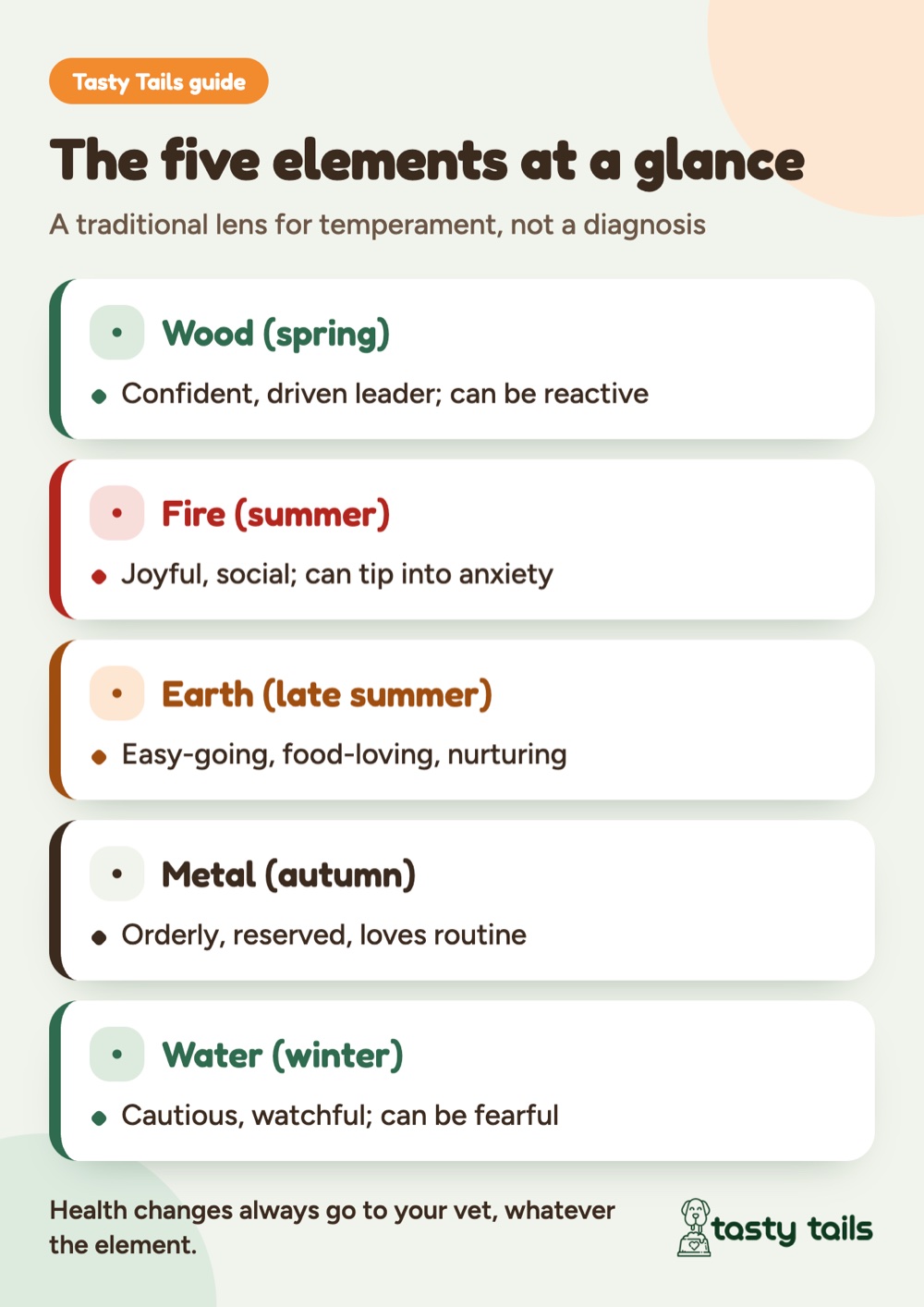
The five elements at a glance
Element Season Organ pair Nature in a nutshell Tendencies to watch Wood Spring Liver, gallbladder Confident, driven, a natural leader; can be reactive Frustration, eyes, tendons and ligaments Fire Summer Heart, small intestine Joyful, social, excitable; can tip into anxiety Overheating, restlessness, anxiety Earth Late summer Spleen, stomach Easy-going, food-loving, nurturing Weight gain, loose stools, sluggishness Metal Autumn Lung, large intestine Orderly, reserved, loves routine Skin, coat, nose and breathing sensitivities Water Winter Kidney, bladder Cautious, watchful, sensitive; can be fearful Fearfulness, bones, ears, and issues of older ageEach element is also said to struggle with a particular climate: wind for Wood, heat for Fire, damp for Earth, dryness for Metal and cold for Water. In Bangalore terms, a Fire dog may wilt in the April heat, while an Earth dog may turn sluggish through a long, soggy monsoon.
How the elements relate to each other
The elements are not separate boxes. In the tradition they feed one another in a cycle: Wood feeds Fire, Fire leaves ash that becomes Earth, Earth yields Metal, Metal gathers Water, and Water nourishes Wood. A second cycle keeps things in check: Wood holds Earth together with its roots, Earth dams Water, Water puts out Fire, Fire melts Metal, and Metal cuts Wood.
Why does this matter for your dog? Because almost no dog is purely one element. Most have one strong element and a second that shows up under stress, in certain seasons, or as they grow older. A bold young Wood dog may mellow into a watchful senior. Think of the elements as ingredients in a recipe, not labels on a jar.
Think of the elements as ingredients in a recipe, not labels on a jar.
A quick way to spot your dog's main element
Watch your dog for a week and notice which description sounds most like them on an ordinary day, not the day of a thunderstorm or a vet visit.
- Wood: first out of the door, pulls towards the action, likes to be in charge, gets frustrated by gates, leads and being told to wait. Often athletic and muscular.
- Fire: greets everyone, wiggles from the shoulders back, loves an audience, gets wound up by guests and struggles to settle afterwards. Feels the heat.
- Earth: relaxed and affectionate, sticks close to the family, supervises the kitchen, first to finish dinner and last to leave the bowl. Puts on weight easily.
- Metal: likes things done the same way at the same time, a little aloof with strangers, tidy habits, dignified. Notices when the furniture moves.
- Water: watches before joining in, startles easily, may hide when the pressure cooker whistles, deeply bonded to one or two people. Happiest in a quiet corner.
If two descriptions fit, that's normal. Note both. Each element post in this series has a fuller checklist to help you decide.

What this looks like in an Indian home
Picture a Saturday morning in a Bangalore flat. The doorbell rings with a delivery. The Wood dog is already at the door, barking orders. The Fire dog is spinning in circles, thrilled that someone has come to visit. The Earth dog ambles over in case it's food. The Metal dog watches from its usual spot on the rug, faintly disapproving of the noise. The Water dog has quietly slipped under the bed. Same doorbell, five very different dogs.
Indie dogs show the same range. The pack in your lane usually has a bossy leader, a friendly greeter, a heavy-set one who knows which chai stall drops biscuits, and a shy one who keeps to the edge.
Using the elements for food, exercise and festivals
The practical value of the system is that it nudges you to fit care to the dog in front of you. A few ideas we'll come back to through the series:
- Food: TCVM groups foods by their "energy". Chicken and mutton are traditionally seen as warming, fish and many vegetables as cooling, and some foods closer to neutral. A dog who runs hot and restless might be offered more cooling foods in summer; one who feels the cold might enjoy warmer ones in winter. Whatever you change, the diet still needs to be complete and balanced, and changes should be gradual. Our 7-day transition plan works for any protein swap.
- Exercise: a Wood dog needs a job, a Fire dog needs play followed by a proper cool-down, an Earth dog needs steady daily walks, a Metal dog likes a predictable route, and a Water dog needs confidence-building rather than crowds.
- Festivals: with Navratri under way and Diwali a few weeks off, it helps to know who will cope with noise and guests and who won't. A Fire or Water dog may need a quiet room set up long before the first cracker. Our Diwali safety guide covers the basics.
- Treats: whatever the element, treats should stay a small share of daily food. See what's safe and how much.
Food from our kitchen for different types
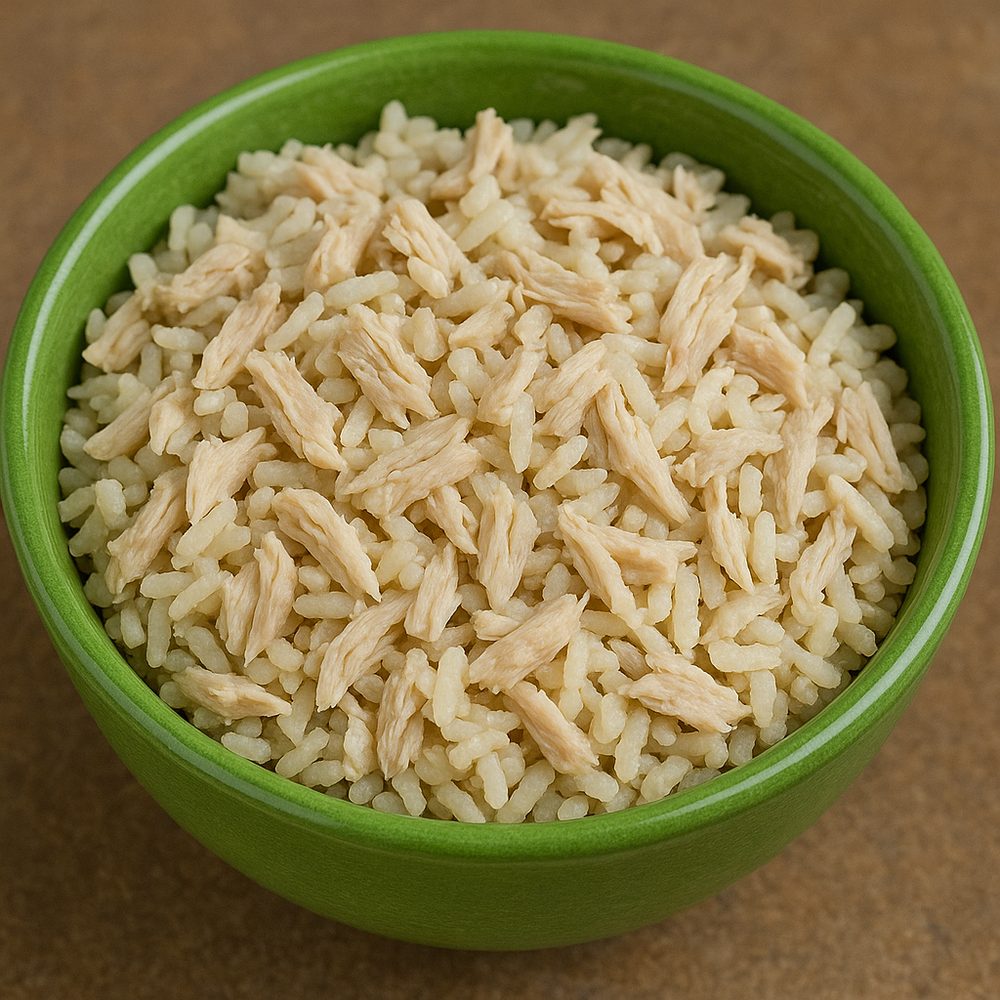
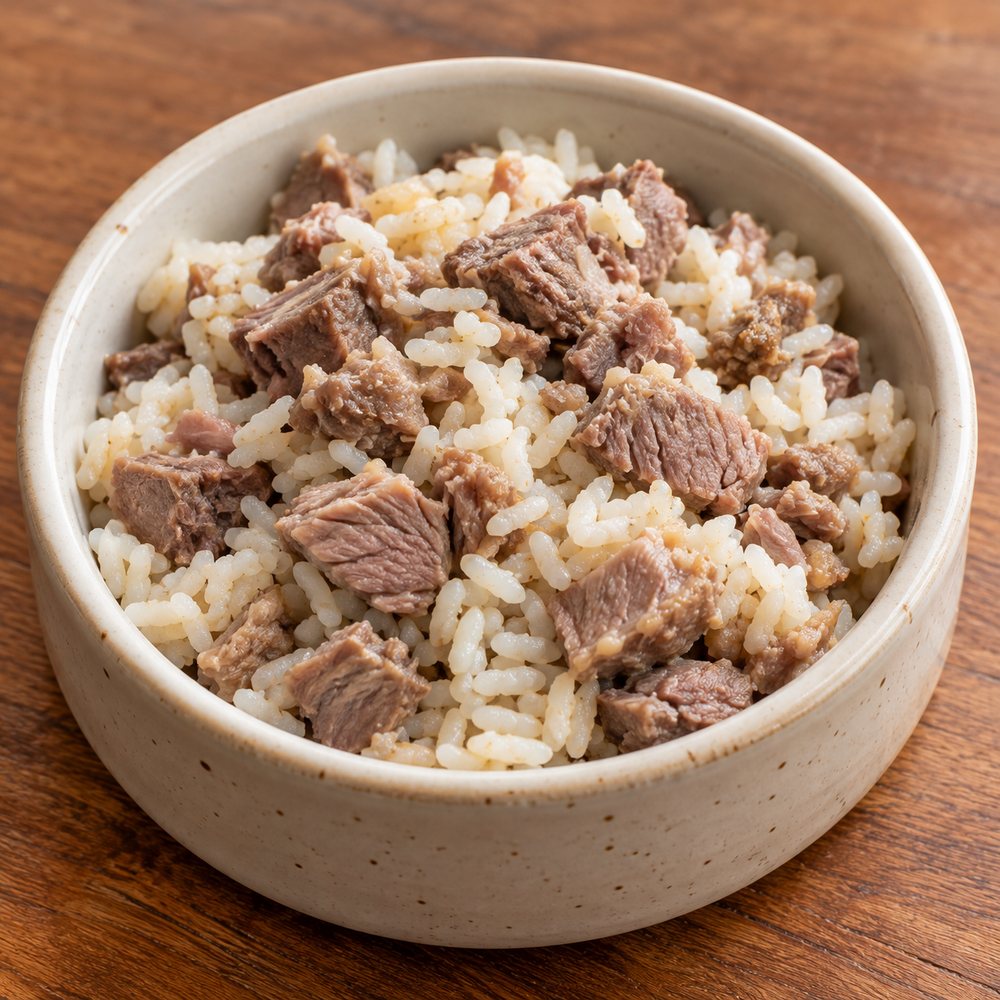
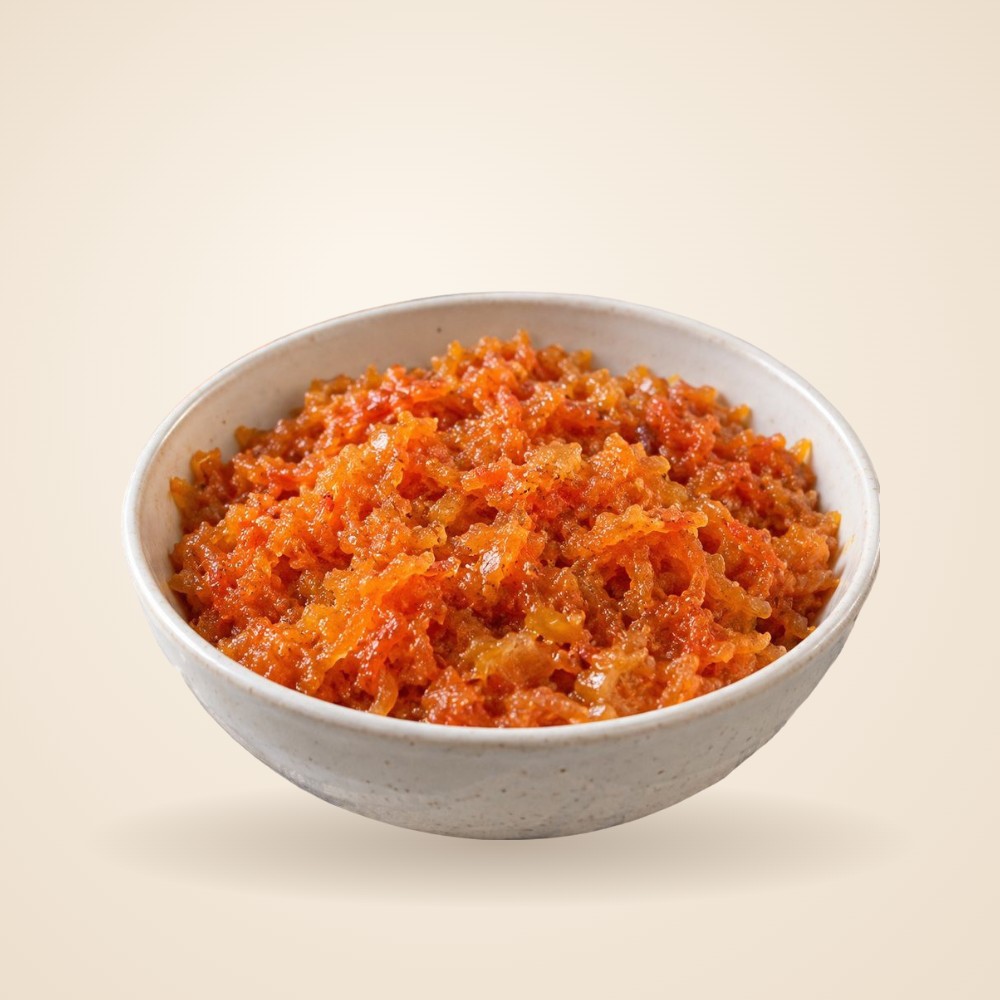
You don't need a special menu for each element, but rotating proteins makes it easy to follow the tradition's warming and cooling ideas. Our Classic Combo (boiled chicken with rice) and Mutton Nom Nom (just mutton and rice) sit on the traditionally warming side, good for a cool-natured dog in the colder months. Fish Delight brings fish with rice, carrot, peas, pumpkin and zucchini for dogs who run warm. For an occasional sweet treat, Pumpkin & Carrot Halwa has no added sugar, only the natural sweetness of the vegetables, and is best shared in small pieces.
What's coming in this series
Over the coming days we'll publish one post per element: Wood first, then Fire, Earth, Metal and Water. Each covers how to recognise the type, its strengths, stress patterns, health tendencies (with clear signs that need a vet), and food and exercise ideas. After that come warming and cooling foods in an Indian kitchen, and mixed-element dogs.
Questions about the Five Elements for dogs
Is the Five Elements system scientifically proven?
No. It's a traditional framework with limited scientific evidence behind it. It can be a helpful way to observe your dog's temperament, but it doesn't replace an examination or diagnosis from your vet.
Can a dog be more than one element?
Yes, most dogs are a mix. Usually one element stands out, with a second showing up under stress, in certain seasons or as the dog ages.
Does breed decide a dog's element?
Breed shapes energy and build, so some breeds lean a certain way, but individuals vary a lot. Two Labradors from the same litter can turn out to be a Fire dog and an Earth dog.
Should I change my dog's diet based on its element?
Only gently, and always keeping the diet complete and balanced. If your dog has a health condition, talk to your vet first; if you want element-based food therapy, look for a vet trained in TCVM.
Sources
- Cheryl Schwartz, Four Paws, Five Directions: A Guide to Chinese Medicine for Cats and Dogs (Penguin Random House)
- Elizabeth Anne Johnson, Know Your Dog's True Nature (OverDrive listing)
- Chi University: education in traditional Chinese veterinary medicine
- AVMA policy: Complementary, alternative, and integrative veterinary medicine
- WSAVA Global Nutrition Guidelines
Warming, cooling and in between
You don't need special food for each element, but a mix of proteins lets you follow the tradition's warming and cooling ideas.







See the full menu or ask our nutritionist what suits your pet.
Was this helpful?
Share with a pet parent