
Food allergies in dogs: signs, elimination diets and what to feed
Itchy paws, ear infections, a tummy that is never quite right. How to tell whether food is to blame, and how an elimination diet finds the answer.

Constant licking, red paws, ears that keep getting infected. When a dog is miserable and itchy, food is often the first suspect. Sometimes it really is food, but more often it is something else. Here is how vets tell the difference, and how to find out for sure.
What a food allergy is (and isn't)
A food allergy is the immune system overreacting to a particular protein in the diet, most often from a meat, dairy or grain the dog has eaten many times before. A food intolerance is different: the gut simply doesn't handle a food well (like lactose), without the immune system being involved. Both can cause symptoms, and both are managed by avoiding the trigger.
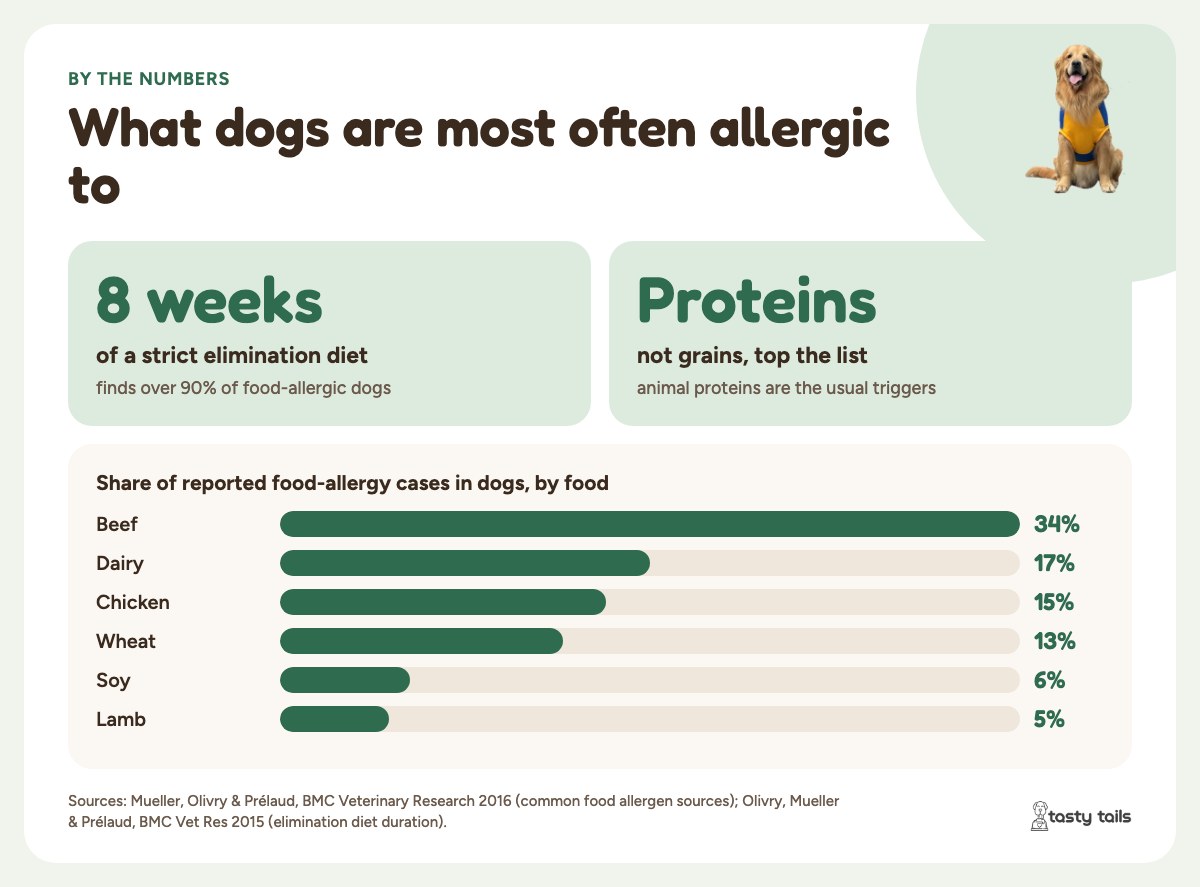
A dog doesn't become allergic to a food because it is "bad". Allergies develop to foods a dog eats regularly, which is why the most commonly reported triggers are the most commonly fed ingredients. In published studies, the usual suspects in dogs are beef, dairy, chicken and wheat, followed by soy, lamb, corn and egg. In India, chicken is the base of most dog foods and treats, so it is the protein we hear about most.

Signs to look out for
Skin and ears
- Itching that carries on all year, not only in certain seasons
- Licking or chewing the paws, red skin between the toes
- Repeated ear infections, head shaking, smelly ears
- Rubbing the face, scratching the armpits, belly or around the bottom
- Skin infections that come back after antibiotics
Tummy
- Soft stools or diarrhoea that come and go
- Going to the toilet more than three times a day
- Vomiting, gas, gurgling tummy
Some dogs have both skin and tummy signs; many have only one.
It isn't always the food
Environmental allergies (to dust mites, pollen and moulds) are more common than food allergies, and fleas can cause intense itching even when you can't see any. Bangalore's humidity also suits mites and skin yeasts. So your vet will usually rule out parasites and treat any infection before starting a food trial. Seasonal itching that eases in some months points more towards the environment.
Why allergy tests don't answer the question
Blood, saliva and hair tests sold for "food sensitivities" are not reliable for diagnosing food allergies in dogs: veterinary dermatologists who reviewed the evidence found they give false positives and false negatives. A long list of "intolerances" from a hair test can leave you avoiding healthy foods for no reason.
The only reliable test for a food allergy is food: take it away, see if the signs go, then bring it back.
How an elimination diet works
- Choose the trial diet with your vet. Either a novel protein and carbohydrate your dog has never eaten before, or a prescription hydrolysed diet, in which the proteins are broken down too small to trigger the immune system.
- Feed only that diet for 8 weeks. Most dogs that respond improve within 5 to 8 weeks; some take a little longer. Skin takes time to heal.
- Be strict. No treats, chews, table scraps, flavoured medicines or flavoured toothpaste, unless they are made from the trial ingredients. One biscuit from a neighbour can reset the trial.
- Challenge. If your dog is much better, your vet will ask you to bring back the old food. If the signs return within days to two weeks, food allergy is confirmed. Then ingredients can be added back one at a time to find the culprit.
Can I do it with home-cooked food?
Yes, many vets use home-cooked elimination diets, because you control every ingredient. For the 8-week trial, a simple recipe of one protein and one carbohydrate is fine for most adult dogs. If your dog stays on it longer, it needs to be balanced with the right vitamins and minerals (especially calcium), so work with your vet or a veterinary nutritionist. Puppies need a balanced diet from the start.
What to feed an allergic dog long term
- A diet built around a protein your dog tolerates, balanced for the long term
- Treats made from the same safe ingredients (single-ingredient treats make this easy)
- Omega-3 fats from fish can help skin, but ask your vet about the right dose
At Tasty Tails we cook single-protein recipes and list every ingredient on each dish, so you can choose around your dog's triggers. Our kitchen cooks chicken, egg, fish and mutton, so if your dog has a diagnosed allergy, tell us when you order and we'll take extra care, or tell you honestly if a dish isn't suitable.
Keep reading: how to switch your dog to fresh food in 7 days, and every ingredient we cook with. Planning an elimination diet? Our nutritionist can plan it with your vet.
Questions pet parents ask
What is the most common food allergy in dogs?
In published studies, beef, dairy, chicken and wheat are the most commonly reported triggers. Any protein a dog has eaten often can become a problem, which is why the history of what your dog has eaten matters.
How long does an elimination diet take?
About eight weeks for most dogs. Itching often improves earlier, but stopping too soon can give you the wrong answer.
Is grain-free food better for allergic dogs?
Not necessarily. Grains are less common allergens than animal proteins. The US FDA has also investigated a possible link between some grain-free diets and heart disease (DCM) in dogs, so don't go grain-free without a reason.
Sources
- Mueller R.S., Olivry T., Prélaud P. (2016). Critically appraised topic on adverse food reactions of companion animals (2): common food allergen sources in dogs and cats. BMC Veterinary Research 12: 9.
- Olivry T., Mueller R.S., Prélaud P. (2015). Critically appraised topic on adverse food reactions of companion animals (1): duration of elimination diets. BMC Veterinary Research 11: 225.
- Mueller R.S., Olivry T. (2017). Critically appraised topic on adverse food reactions of companion animals (4): can we diagnose adverse food reactions in dogs and cats with in vivo or in vitro tests? BMC Veterinary Research 13: 275.
- WSAVA Global Nutrition Guidelines
- Merck Veterinary Manual: food allergy in dogs and cats
Short ingredient lists, different proteins
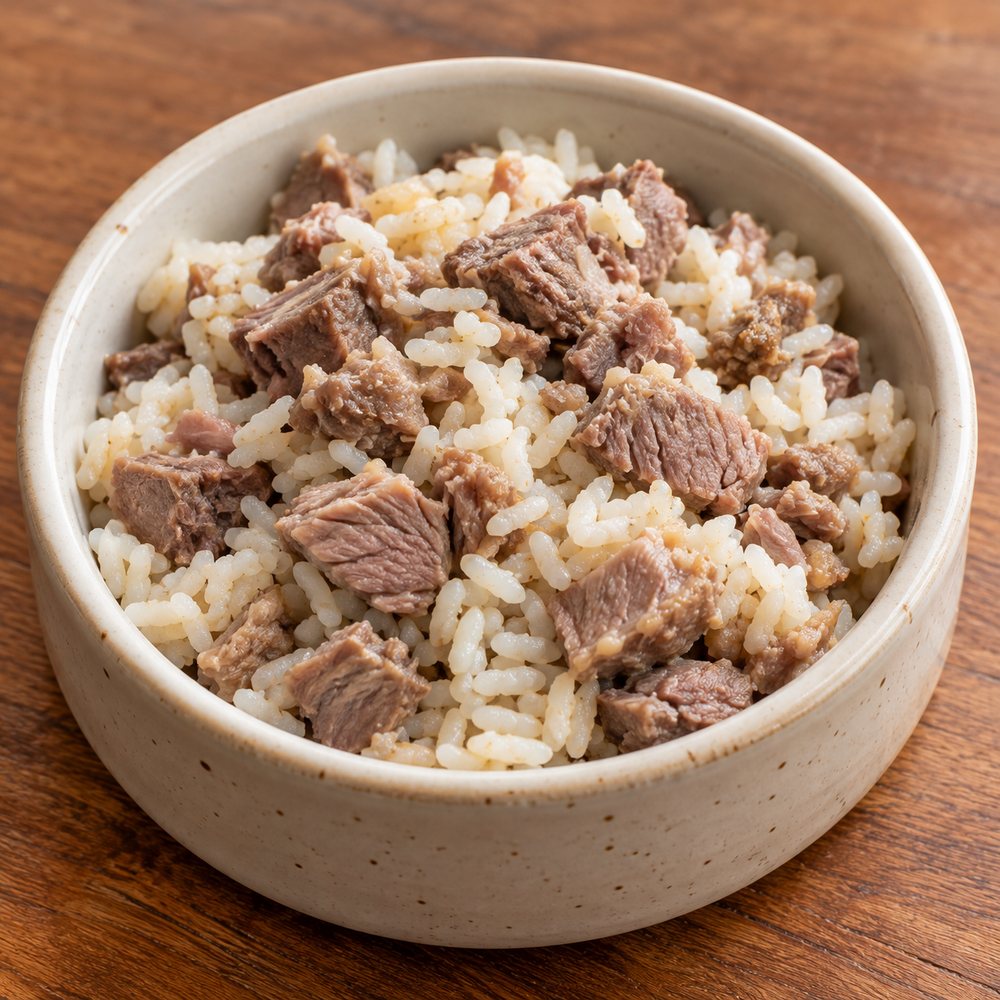
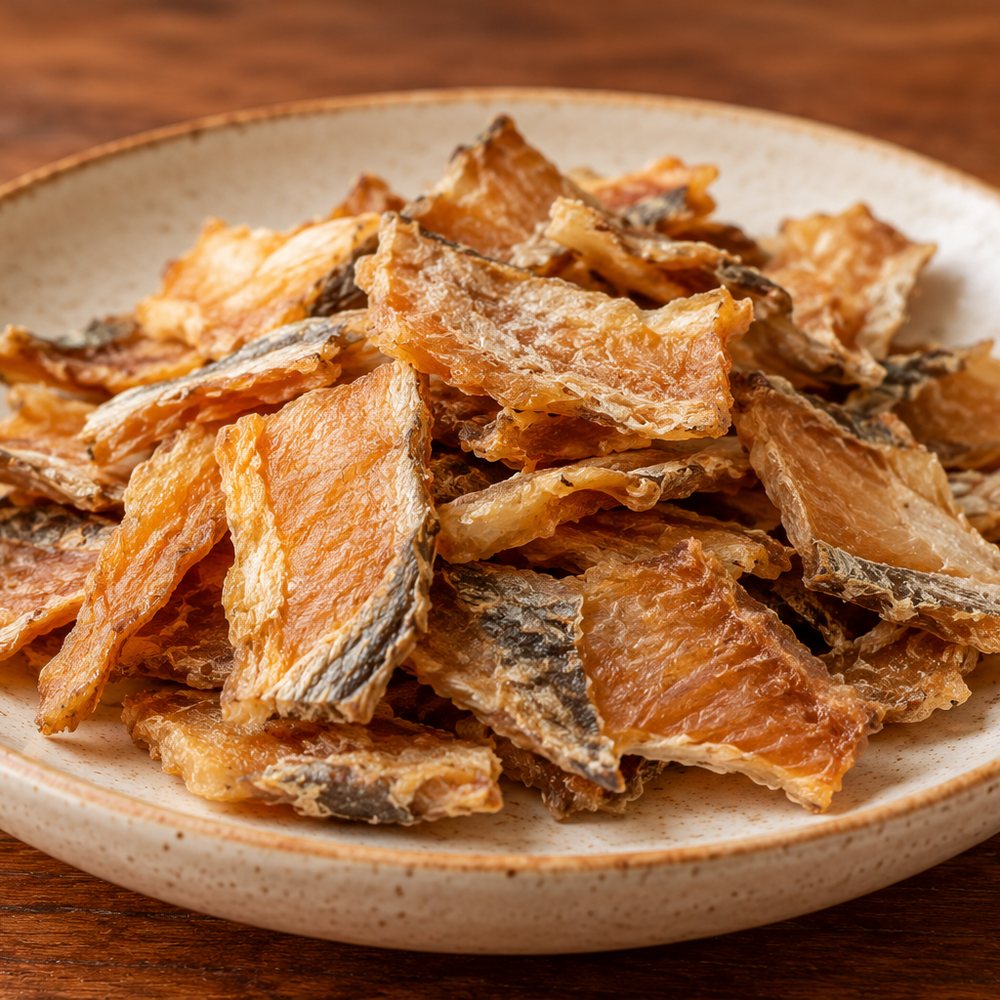
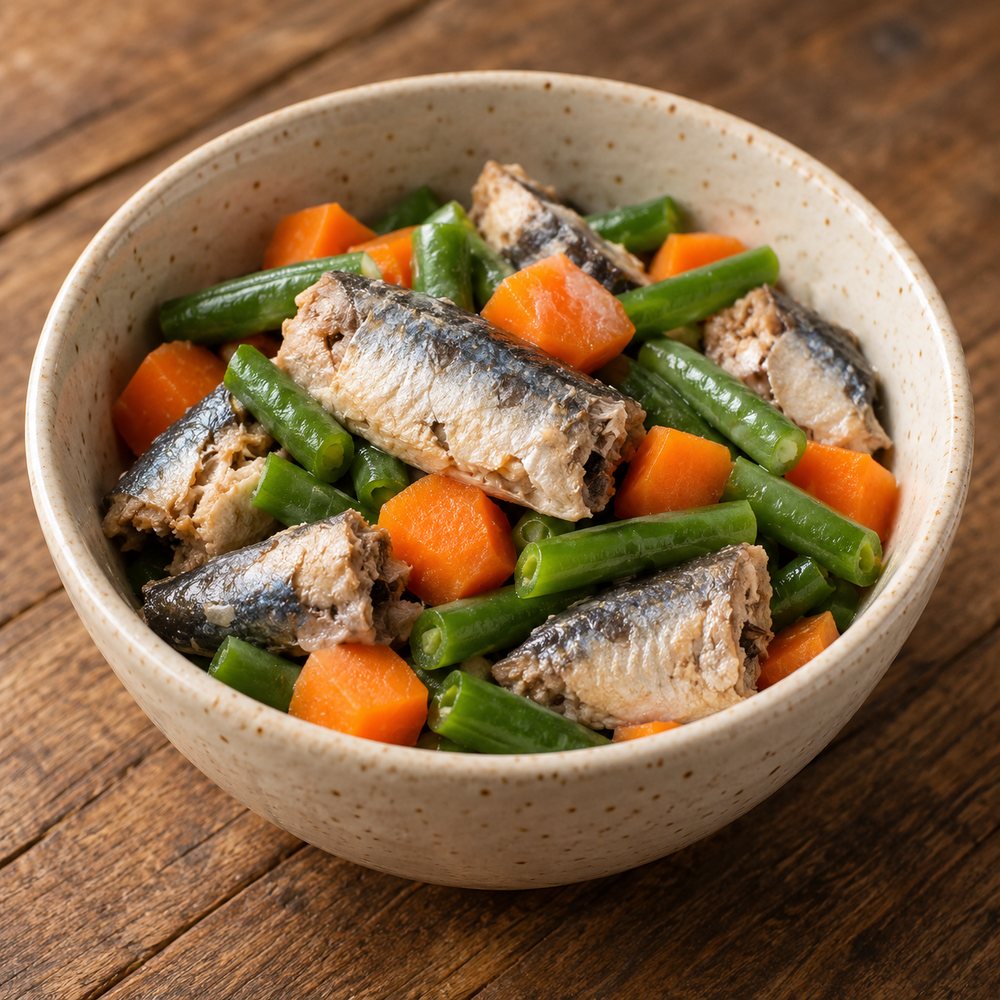
Meals and treats with only a few ingredients and proteins other than chicken. We can leave out anything your dog reacts to. For an elimination diet, plan with your vet or our nutritionist first.





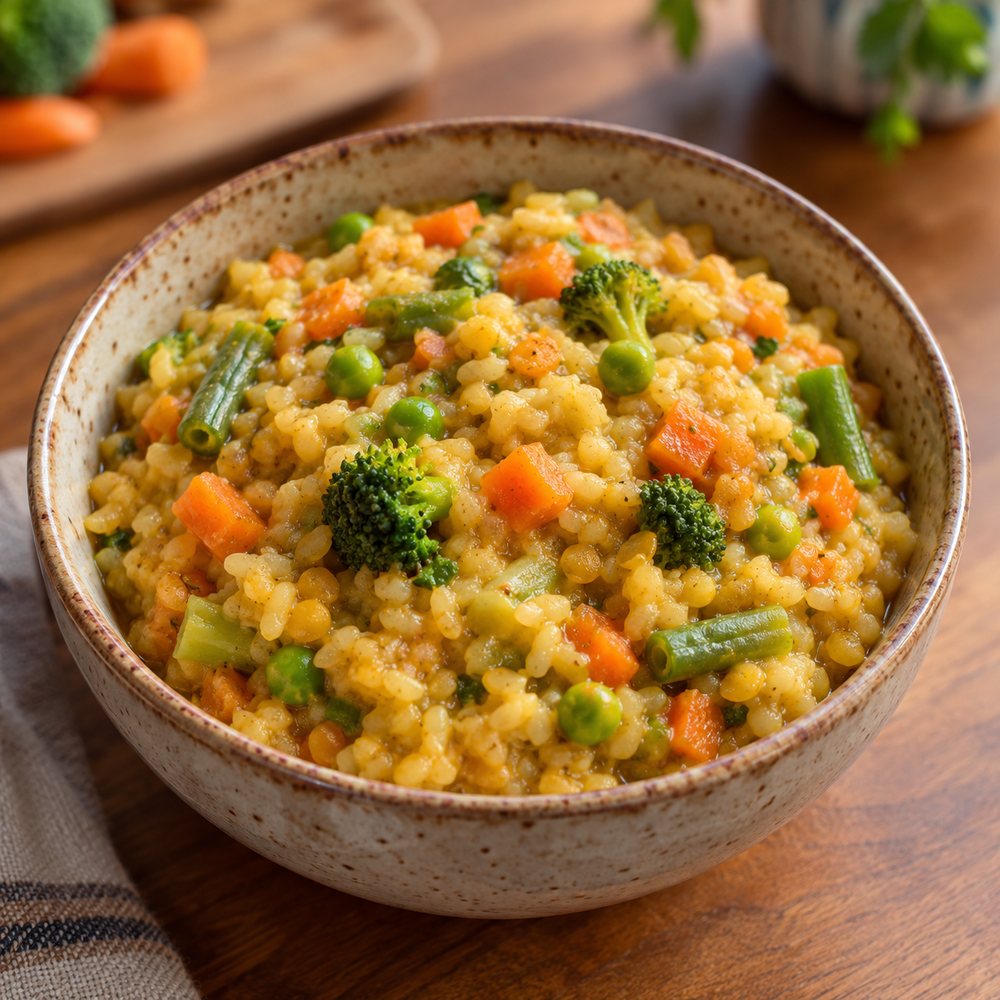


See the full menu or ask our nutritionist what suits your pet.
Was this helpful?
Share with a pet parent