Foods dogs and cats should never eat (Indian kitchen edition)
Onion in the tadka, raisins in the kheer, a dropped piece of mithai. The everyday Indian foods that are dangerous for pets, and what to do if yours eats one.
Indian kitchens are generous places, and pets know it. But many of the ingredients that make our food delicious are harmful to dogs and cats, sometimes in small amounts. Here is what to keep out of the bowl, with the dishes they hide in.
The most dangerous ones
Onion, garlic, shallots and spring onion
In any form: raw, fried, powdered or cooked into a gravy. They damage red blood cells and can cause anaemia, sometimes days after eating. Cats are even more sensitive than dogs. They hide in almost everything: dal tadka, curries, biryani, sambar, chutneys, pav bhaji, soups and stock cubes.
If it's in the tadka, keep it out of the bowl.
Grapes and raisins
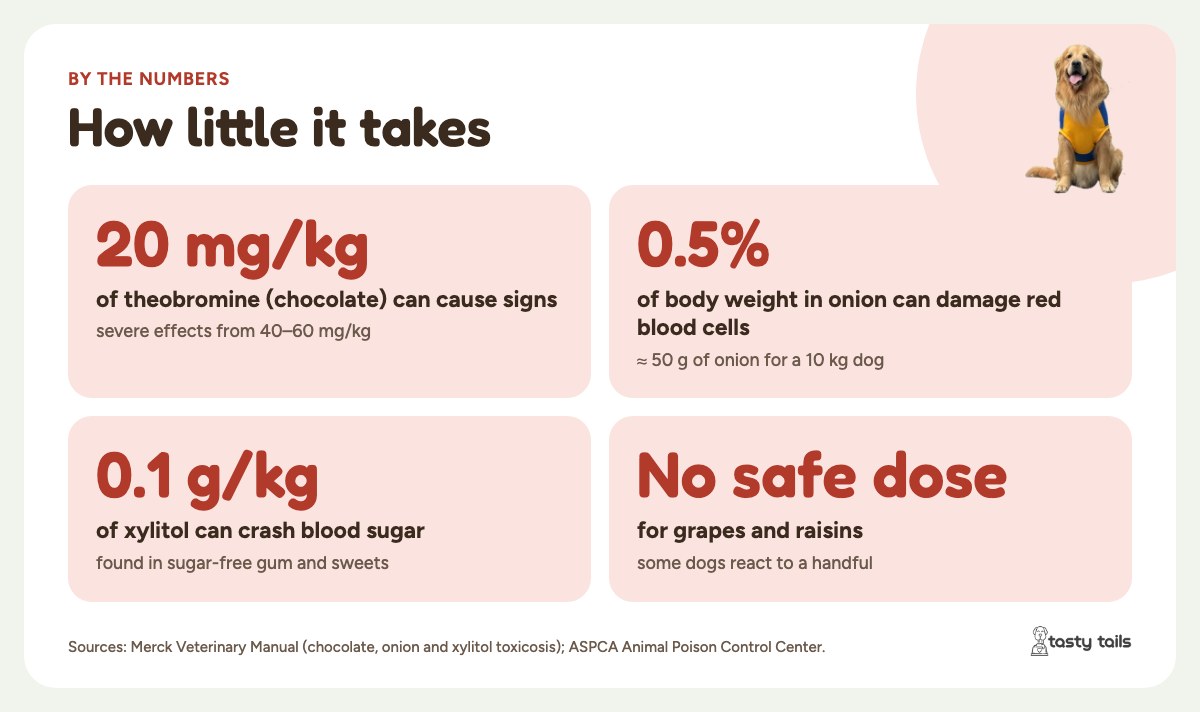
Can cause sudden kidney failure in dogs, and there is no known safe amount: some dogs react to a handful. Watch out for kishmish in kheer, halwa, pulao, biryani, granola and fruit cake. Keep them away from cats too.
Chocolate, cocoa and coffee
Contain theobromine and caffeine, which affect the heart and nervous system. Dark chocolate and baking cocoa are the most dangerous. Chai, coffee, tea leaves, energy drinks and coffee-flavoured sweets count as well.
Xylitol (birch sugar)
A sweetener in sugar-free gum, mints, some peanut butters, "sugar-free" mithai and diabetic sweets, and some toothpastes. In dogs it causes a rapid drop in blood sugar and can cause liver failure. Always read the label of peanut butter before sharing it.
Cooked bones
Chicken and mutton bones from curries and biryani turn brittle when cooked. They can splinter, block the gut or tear it. Bin them where your pet can't reach.
Alcohol and raw yeast dough
Raw bread, pav or naan dough keeps rising in the warm stomach and produces alcohol as it ferments. Even small amounts of alcohol are dangerous for pets.
Not toxic, but trouble
- Spicy, salty and oily food: masala gravies, pickles, papad, namkeen, chips and fried snacks can cause vomiting and diarrhoea, and fatty food can trigger pancreatitis, which is painful and can be serious.
- Mithai and sweets: sugar and ghee in large amounts, and some contain raisins, chocolate or xylitol.
- Milk: many adult dogs and cats can't digest lactose well. The saucer of milk for the cat is a myth; plain water is best.
- Whole nutmeg (jaiphal) in quantity: a pinch in a dish isn't the worry, but eating whole nutmeg or a large amount of a nutmeg-heavy sweet can cause tremors and a racing heart.
Outside the kitchen: two big ones for cats
- Lilies (true lilies and day lilies, common in bouquets and pujas): every part, even pollen or water from the vase, can cause kidney failure in cats.
- Human painkillers: paracetamol is extremely toxic to cats, and ibuprofen and similar painkillers are dangerous for dogs and cats. Never give your pet human medicine unless your vet tells you to.
What's usually fine, in small plain amounts
If you want to share, these are generally safe for healthy dogs when cooked plain, with no salt, oil, onion, garlic or masala, and kept to a few pieces:
- Plain boiled rice, boneless boiled chicken or fish, and boiled egg
- Pumpkin, carrot, cucumber and beans
- Apple (no seeds or core), banana and seedless watermelon, as occasional treats
- Plain, unsweetened curd, if your pet tolerates dairy
For cats, stick to tiny pieces of plain cooked chicken or fish.
If your pet eats something on this list
- Call your vet or the nearest 24-hour animal hospital straight away, even if your pet seems fine. Many poisonings show signs hours or days later, and early treatment works best.
- Tell them what was eaten, roughly how much, and when. Keep the packet or a photo of the label.
- Don't try to make your pet vomit with salt, mustard or anything else unless a vet tells you to. Some home methods are dangerous themselves.
Save your vet's number and the nearest emergency clinic in your phone today. At Tasty Tails we never cook with onion, garlic or chives, and never add salt, for exactly these reasons.
Keep reading: healthy homemade treats that are safe, and what cats need that dogs don’t. Not sure what your pet can eat? Talk to our nutritionist.
Questions pet parents ask
My dog ate a little dal with onion in the tadka. What should I do?
Call your vet and tell them roughly how much your dog ate and how much your dog weighs. A small amount may not cause harm, but onion damage to red blood cells can show up a few days later, so don't wait for symptoms.
Is ghee safe for dogs?
A little plain ghee is fine for most dogs. It is very rich, so large amounts can upset the tummy and, in dogs prone to it, trigger pancreatitis.
Can dogs eat curd?
Plain, unsweetened curd in small amounts suits most dogs. Some dogs are sensitive to dairy, so start with a spoonful and watch their tummy.
Can cats drink milk?
Most adult cats are lactose intolerant, so milk often causes diarrhoea. Fresh water is the best drink for cats.
Sources
- ASPCA Animal Poison Control Center: People foods to avoid feeding your pets
- ASPCA: Toxic and non-toxic plants, including lilies and cats
- US FDA: Paws off xylitol; it's dangerous for dogs
- US FDA: No bones about it
- Merck Veterinary Manual: toxicology chapters on onion, grapes, chocolate and xylitol
Festive treats made for pets
Want to share the festive feeling? Skip the mithai and give them laddus, halwa and biscuits made for pets, with every ingredient listed.
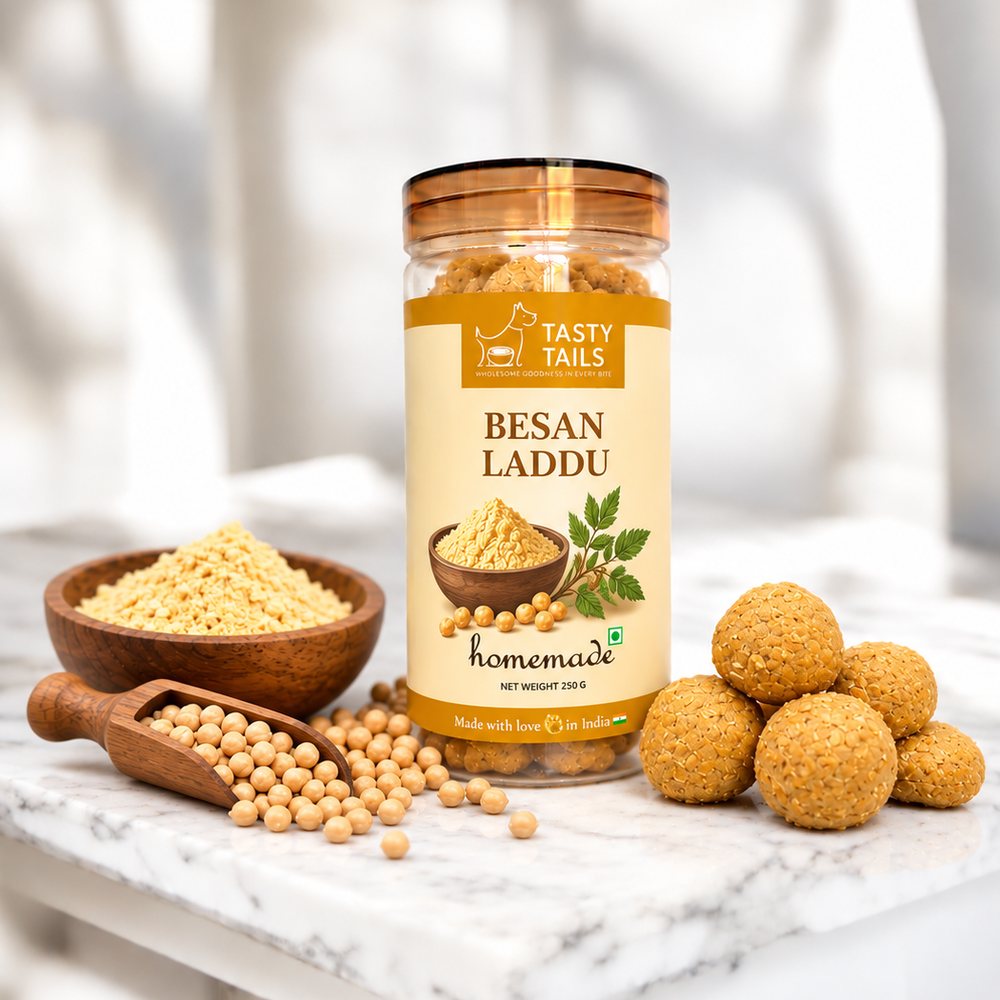

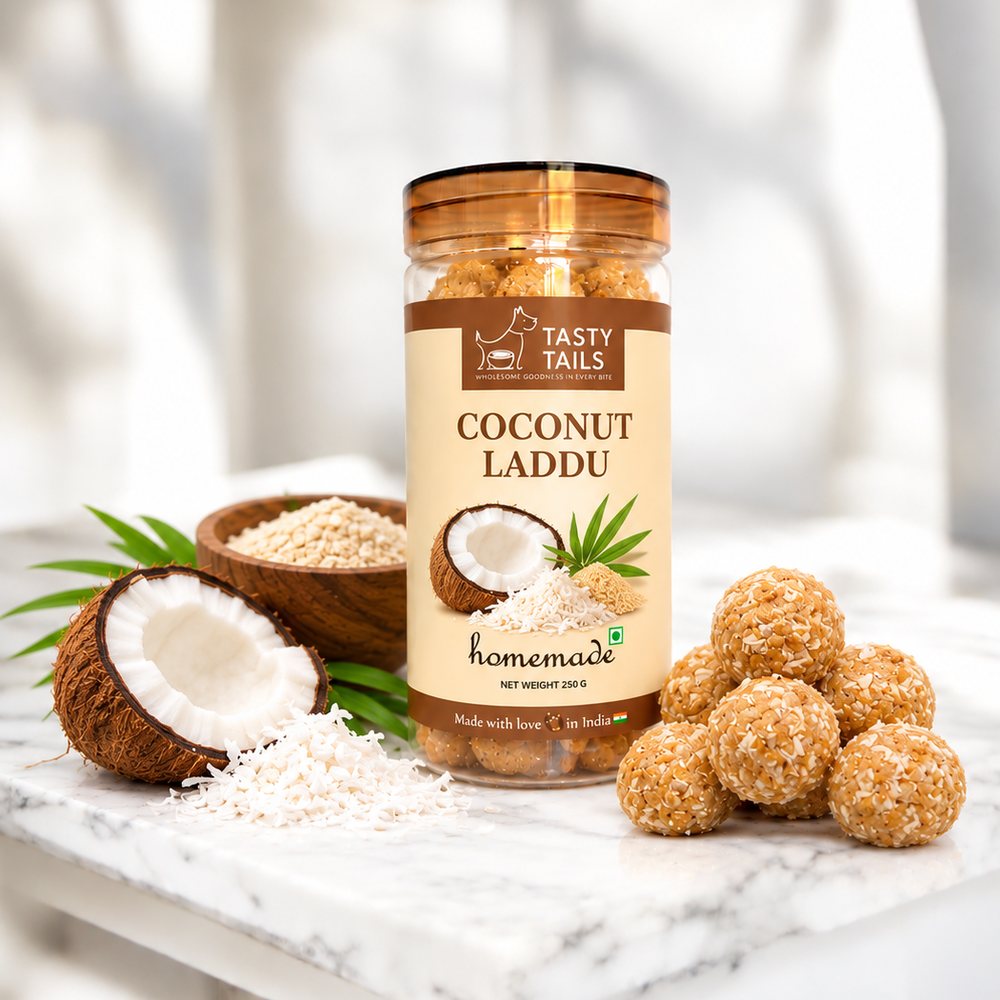

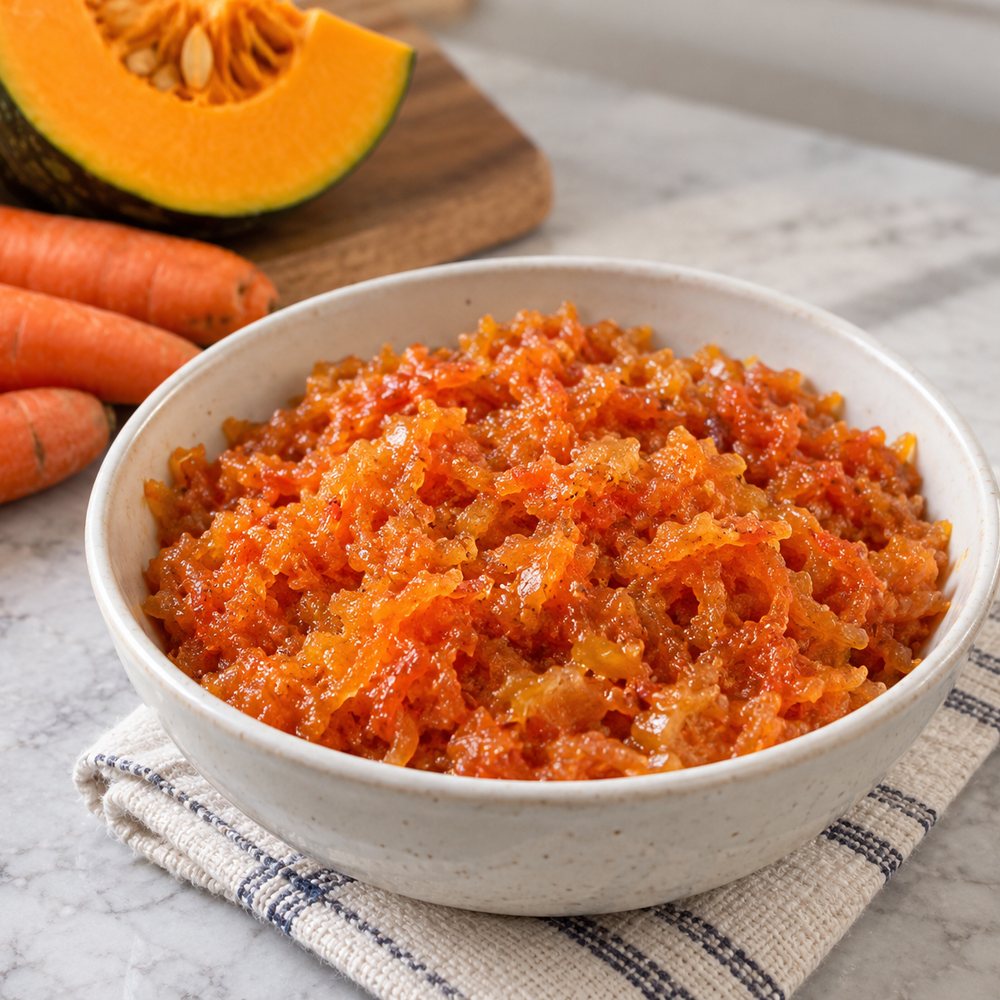


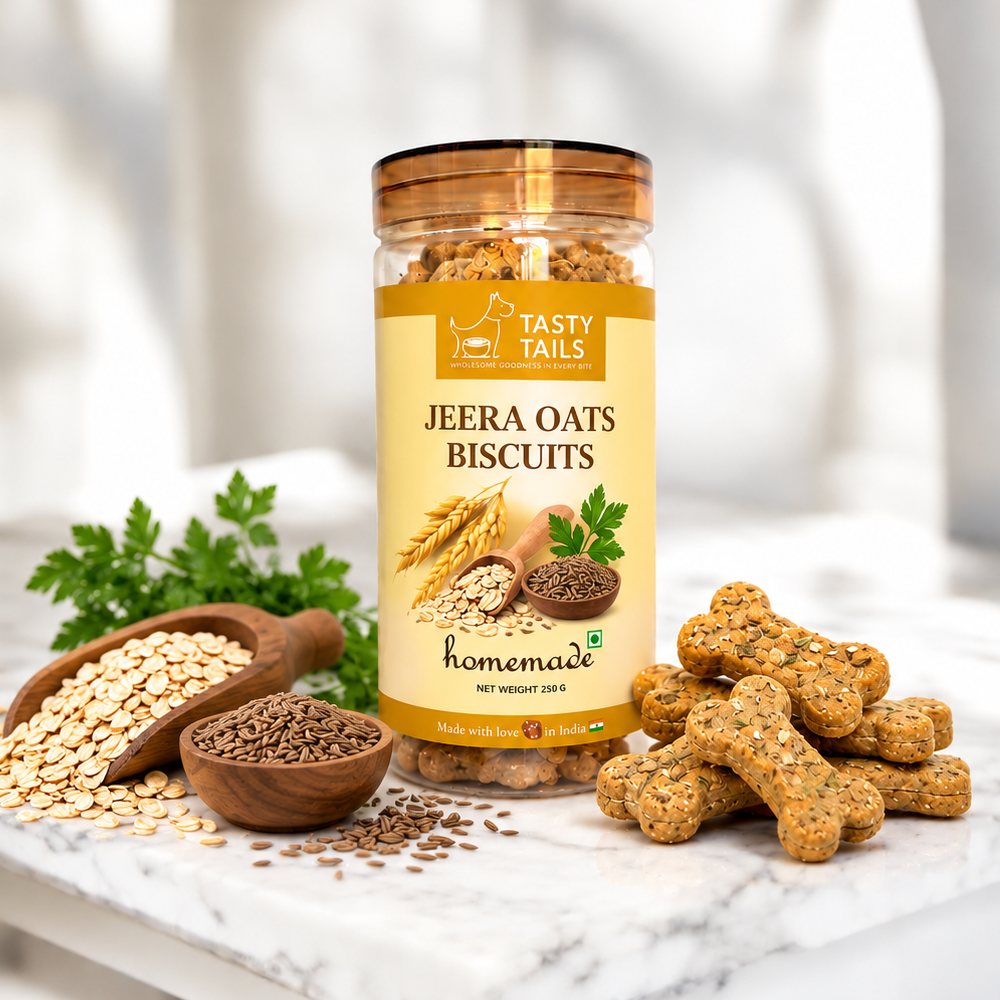

See the full menu or ask our nutritionist what suits your pet.
Was this helpful?
Share with a pet parent