Diwali home prep: cleaning products, paint, rangoli colours, diyas and candles around pets
The week before Diwali, Indian homes get scrubbed, painted, sprayed and decorated. Here's a room-by-room checklist for doing it all without a sick dog or a singed cat.
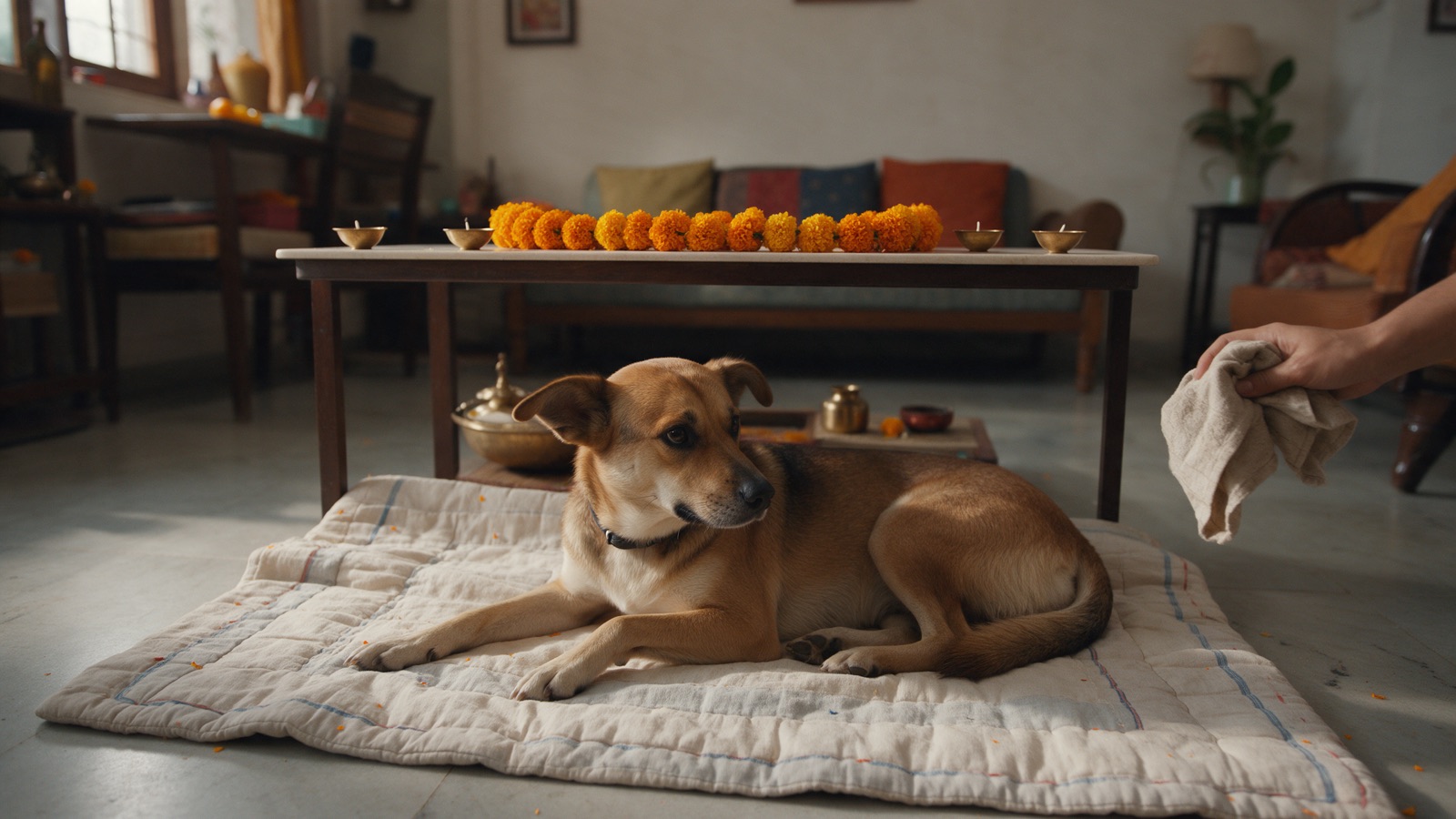
In most Indian homes, Diwali starts well before the first diya is lit. Cupboards are emptied, fans wiped, walls touched up, pest control booked and the floor scrubbed twice. For pets, that week can be more dangerous than the festival night itself: open buckets of cleaner, wet paint, rat bait behind the fridge, and a rangoli at exactly nose height.
Our Diwali pet safety overview touches on diyas and rangoli. This post goes through the whole home-prep fortnight in detail, so you can plan the work around your dog or cat rather than discovering the problem afterwards.
For pets, the week of deep cleaning can be riskier than Diwali night itself.
Deep cleaning: the products to watch
Pets meet cleaning products in three ways: licking a wet floor, walking through it and then licking their paws, or drinking from a bucket. Cats are especially at risk because they groom everything off their coat.
- Phenyl and pine-type floor cleaners. Many contain phenols or pine oils, and cats are particularly sensitive to these. Dilute exactly as the label says, keep pets out until the floor is fully dry, and finish with a plain-water mop in rooms your cat uses.
- Toilet and tile cleaners, bleach, descalers. Acids and alkalis can burn the mouth, throat and paws. Never leave a bucket or a dosed toilet unattended with the door open.
- Mothballs (naphthalene balls). They come out in quantity when cupboards are reorganised. Mothballs are toxic to dogs and cats if chewed or swallowed, and a ball rolling across the floor looks like a toy. Use them only in sealed cupboards, or switch to dried neem leaves in closed containers.
- Brass and silver polish, metal cleaners. Puja-item polishing is a Diwali ritual. Do it on a table, not the floor, and put rags away straight after.
- Room sprays, liquid potpourri and essential oil diffusers. Concentrated oils can harm cats in particular, even in small amounts on the fur. Skip them in rooms your cat lives in.
A simple rule for cleaning day: one room at a time, pet shut safely in another room with water and a chew, doors closed until floors are dry and the smell has cleared.
Pest control: the biggest hidden risk
Many families book cockroach and rat treatment before Diwali. Rat and mouse poisons are some of the most serious poisonings vets see, and the baits are designed to taste good. Some stop the blood from clotting, with signs that appear days later; others affect the brain or kidneys.
- Tell the pest control team you have pets and ask exactly what they are using and where.
- Ask for tamper-resistant bait stations, and keep pets out of treated rooms for as long as the technician advises.
- Note the product name, or photograph the pack. If your pet ever eats some, your vet will need it.
- If you think your pet has eaten any rat or mouse bait, go to the vet now, even if they seem fine.
One room at a time, pet shut safely in another with water and a chew.
Painting and whitewashing
- Lime wash (chuna) is caustic. It can burn skin, eyes and mouths, so keep pets well away from buckets and freshly limed walls.
- Thinner, turpentine and oil paints are petroleum products. Swallowed or inhaled, they can irritate the gut and, more seriously, the lungs.
- Fresh paint fumes bother pets, who are closer to the floor and breathe faster than us. Keep windows open and pets in another part of the house, or with a friend, on painting days.
- Old paint scrapings from older homes may contain lead. Sweep up flakes and dust promptly, especially if you have a puppy who eats everything.
Paint on a coat? Don't use thinner or kerosene to remove it. Trim small patches or call your vet or groomer.
Rangoli: beautiful, but at nose height
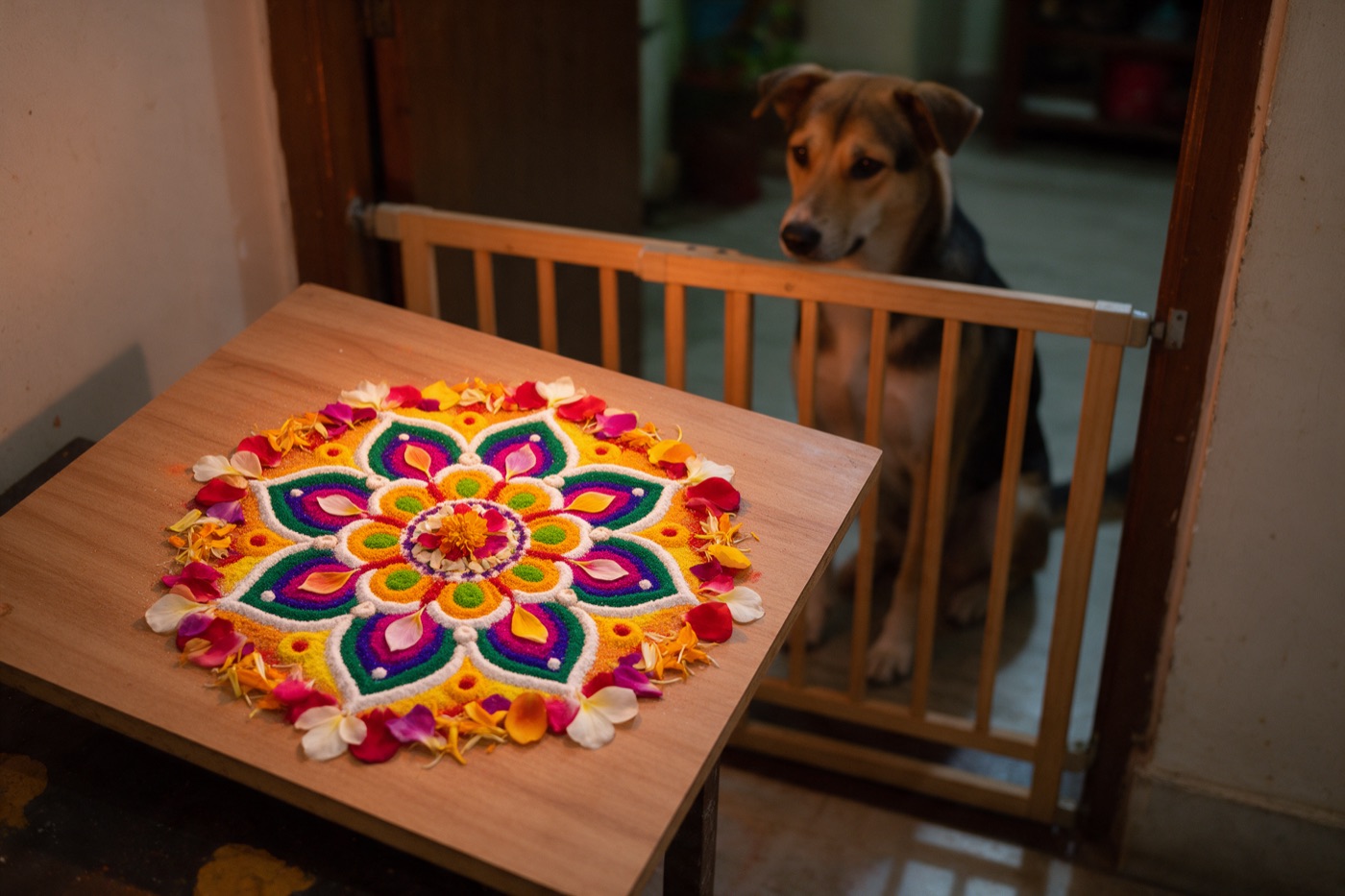
Bright synthetic rangoli powders can contain dyes and other chemicals that irritate skin and eyes, and glitter powders add plastic. Dogs walk through rangoli and lick their paws; cats roll in it.
- Make the rangoli where pets can't reach, such as outside the main door with a gate between, or on a raised board.
- Choose rice flour, turmeric, kumkum and flower petals over synthetic colours if pets will be near it.
- Marigold and other petals can cause a mild upset stomach if a dog eats a lot, so don't leave piles of spare flowers about.
- If your pet walks through rangoli, wipe the paws with a damp cloth, then dry them, before they get a chance to lick.
Diyas, candles, agarbatti and camphor
- Diyas on the floor or doorstep are at tail height. Place them on shelves, ledges and railings, or use LED diyas in rooms where pets roam. Never leave a lit diya alone with a pet.
- Diya oil and ghee are tempting to lick. Spilled hot oil can burn, and a lot of oil or ghee can upset the stomach or trigger pancreatitis.
- Candles: cats are famous for walking past flames. Scented candles also put fragrance oils into small rooms; choose unscented if you use them at all.
- Agarbatti and dhoop smoke irritates the airways, especially in flat-faced breeds, older dogs and cats with asthma. Burn them briefly, near an open window.
- Camphor (kapoor) used in aarti is toxic to pets if eaten and can cause seizures. Keep the tablets in a closed tin, high up.
Decorations, lights and flowers
- Serial lights: puppies and rabbits chew wires. Run cords up and away, or behind furniture, and unplug them when you go out.
- Tinsel, ribbon and string: if a cat swallows a length, it can bunch up the gut and needs surgery. Skip tinsel in cat homes.
- Glass decorations and kandils: hang them high. Broken glass and paws don't mix.
- Lilies in bouquets are a big one for cats. Every part of true lilies, even pollen or the water in the vase, can cause kidney failure in cats. If you have a cat, ask guests not to bring lilies, or put them straight in a room the cat can't enter.
If something goes wrong
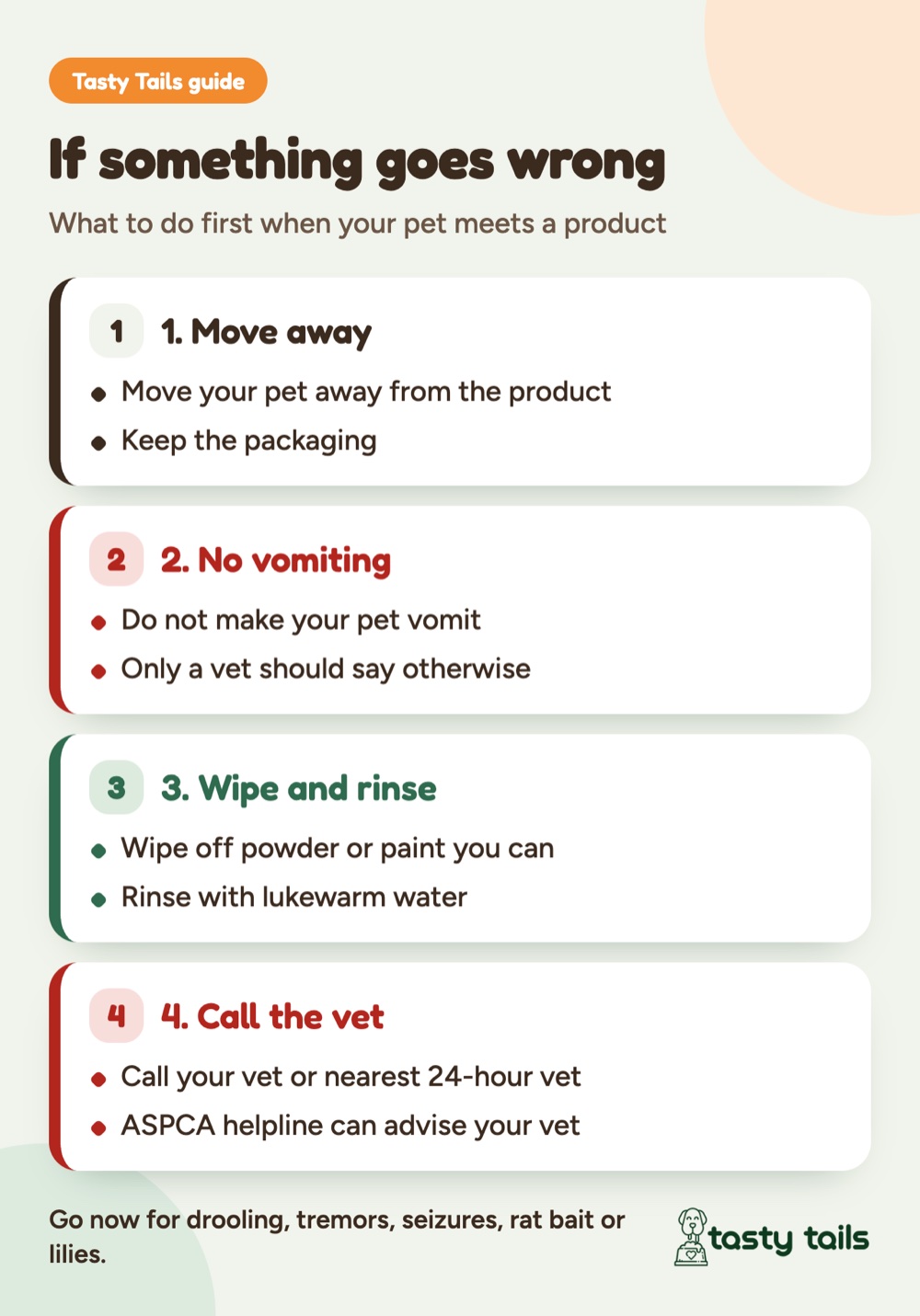
- Move your pet away from the product and keep the packaging.
- Do not make your pet vomit unless a vet tells you to. Caustic cleaners and petroleum products can do more damage coming back up.
- For powder or paint on the skin, wipe off what you can and rinse with lukewarm water.
- Call your vet or nearest 24-hour vet. Poison helplines such as the ASPCA Animal Poison Control Center can also advise your vet.
Go to the vet now for drooling, pawing at the mouth, vomiting, breathing trouble, wobbliness, tremors or seizures, or if your pet ate rat bait or a lily. For festive foods, see our list of foods pets should never eat.
Keeping pets busy on cleaning day
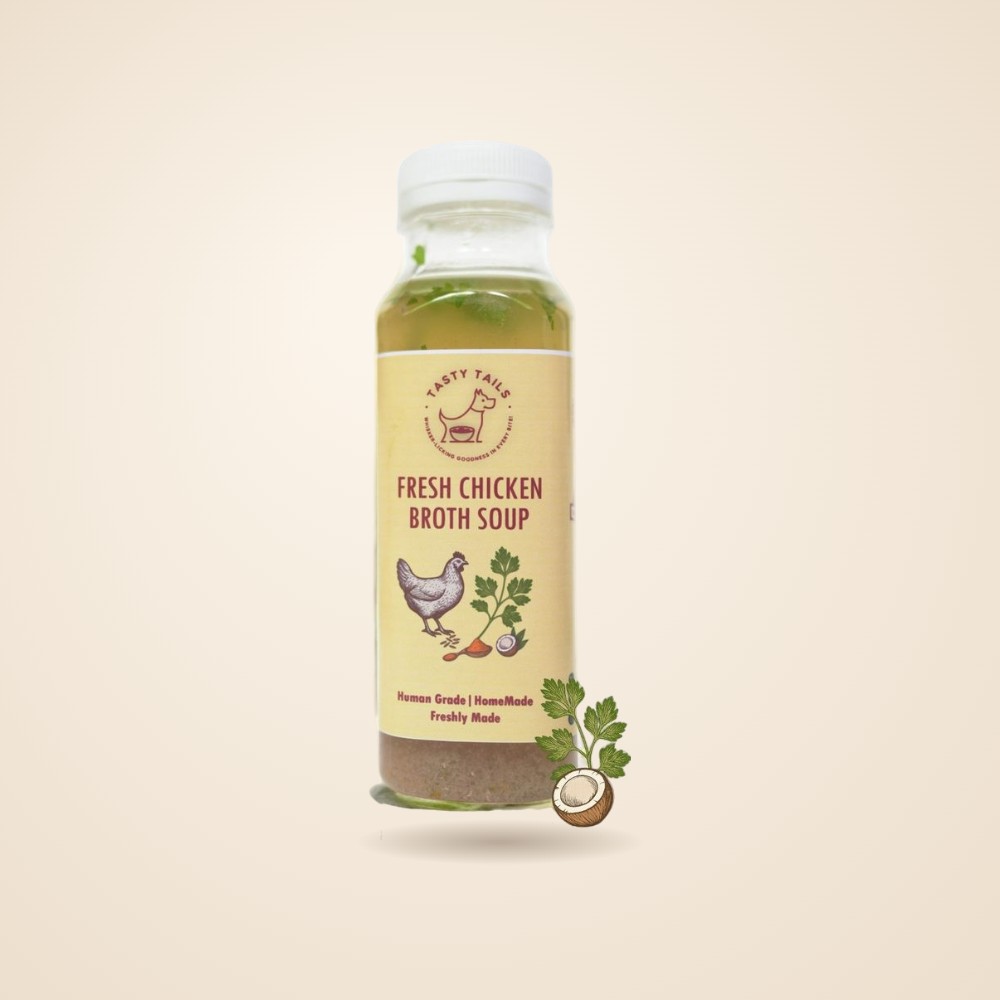
The easiest way to avoid accidents is to give your pet a better offer in a closed room. Freeze our Fresh Chicken Broth (no salt, onion or garlic) into a lick mat or an ice tray for a long, quiet licking session. A few Chicken & Ragi Bites hidden in a snuffle mat or a rolled-up towel buy you another twenty minutes, and a Carrot & Pumpkin Bar broken into pieces works well for dogs who prefer to chew. Training before the bigger noise starts? Our two-week sound plan fits neatly into the same evenings.
Questions about Diwali home prep and pets
Is phenyl safe to use if I have a cat?
Many phenyl and pine cleaners contain ingredients cats are particularly sensitive to. If you use one, dilute it as directed, keep your cat out until the floor is fully dry, and rinse with plain water in rooms your cat uses.
Are rangoli colours toxic to dogs?
Synthetic powders can irritate skin and eyes and upset the stomach if licked off paws. Rice flour, turmeric and flower rangolis are gentler, but it's still best to keep pets off any rangoli.
My dog licked some diya oil. Should I worry?
A lick of plain cooking oil or ghee usually causes no more than a mild upset stomach. A larger amount can trigger pancreatitis, so call your vet if your dog drank a lot, or shows vomiting, belly pain or lethargy.
Can pets stay at home while the house is being painted?
Keep them in a well-ventilated room away from the work, or with a friend on the heaviest days. Lime wash, thinner and wet paint should never be within reach.
Sources
Something to keep them busy on cleaning day
A good chew or a frozen lick mat keeps a pet happily occupied in another room while the floors dry and the ladders come out.







See the full menu or ask our nutritionist what suits your pet.
Was this helpful?
Share with a pet parent