How to Switch Your Dog to Fresh Food: A Gentle 7-Day Transition Plan
A gentle day-by-day plan to switch your dog to fresh food without tummy upsets: portions, mixing ratios, and treats to keep mealtime joyful.
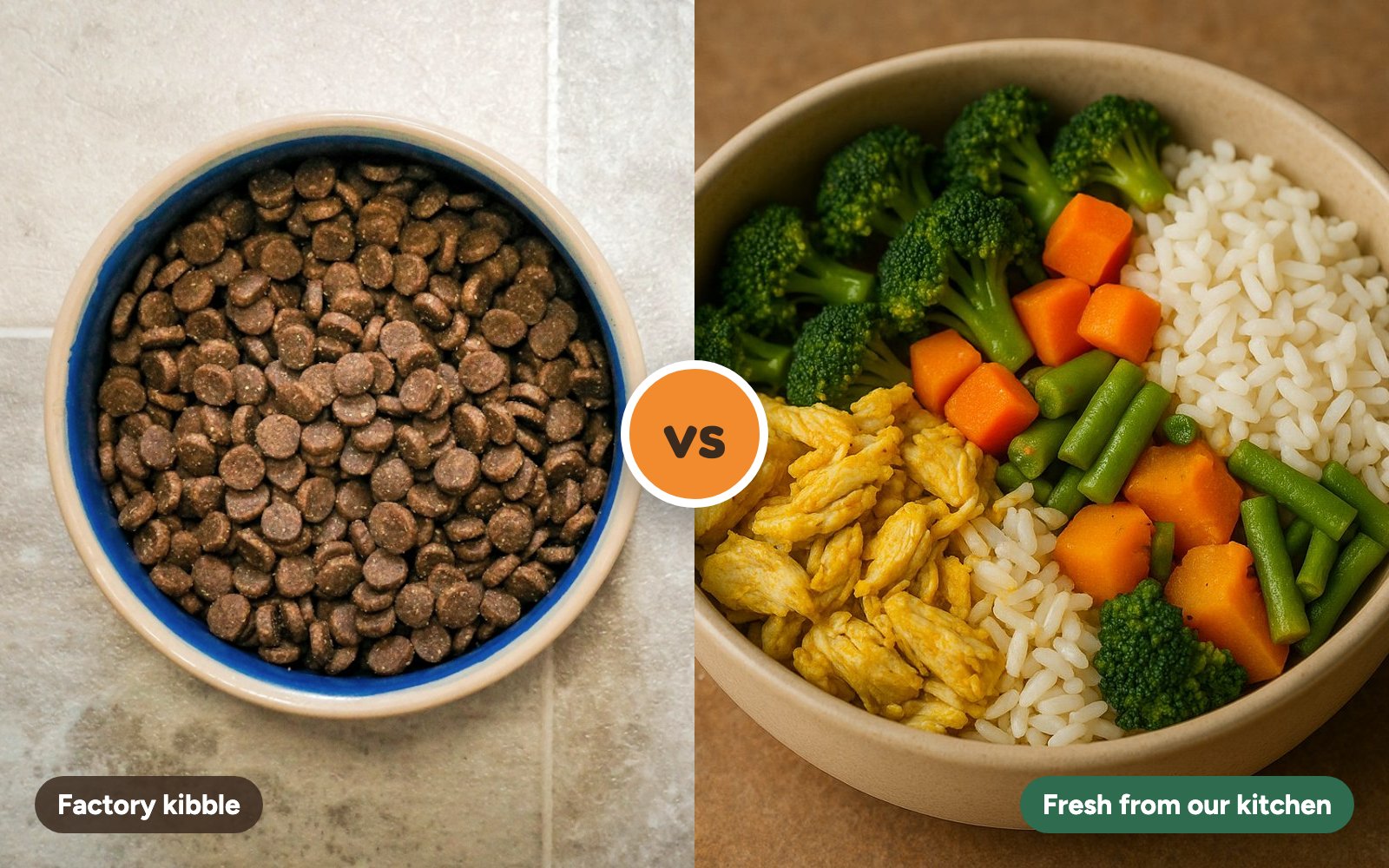
You have made the decision a lot of dog parents quietly arrive at: you want to switch your dog to fresh food. Maybe you have watched them push kibble around the bowl, or you have started reading ingredient labels and wondering what "meat meal" really means. Whatever brought you here, the next question is the practical one: how do you move from the old bowl to a fresh, home-cooked meal without a week of upset tummies and a very confused pup?
The good news is that switching your dog to fresh food does not have to be dramatic. Dogs adapt beautifully when you go slowly, mix patiently, and keep the ritual they already love. This is your day-by-day plan.
Why a slow transition matters
A dog's digestive system is a neighbourhood of bacteria that gets comfortable with whatever it is fed. Swap the menu overnight and that neighbourhood panics, which shows up as loose stools, gas, or a dog who suddenly gives you suspicious looks at mealtimes.
Going slowly lets the gut adjust, lets you watch how your dog responds to each new ingredient, and keeps mealtime a happy event. Think of it less as a switch and more as a handshake between the old food and the new.
Before you start: three quick checks
- Know your dog's daily portion. Fresh food has far more moisture and fewer calories per gram than kibble, so the same scoop will not apply. Weigh your dog, note their activity level, and ask our team for a starting portion based on their weight and age. Our calorie guide shows the maths.
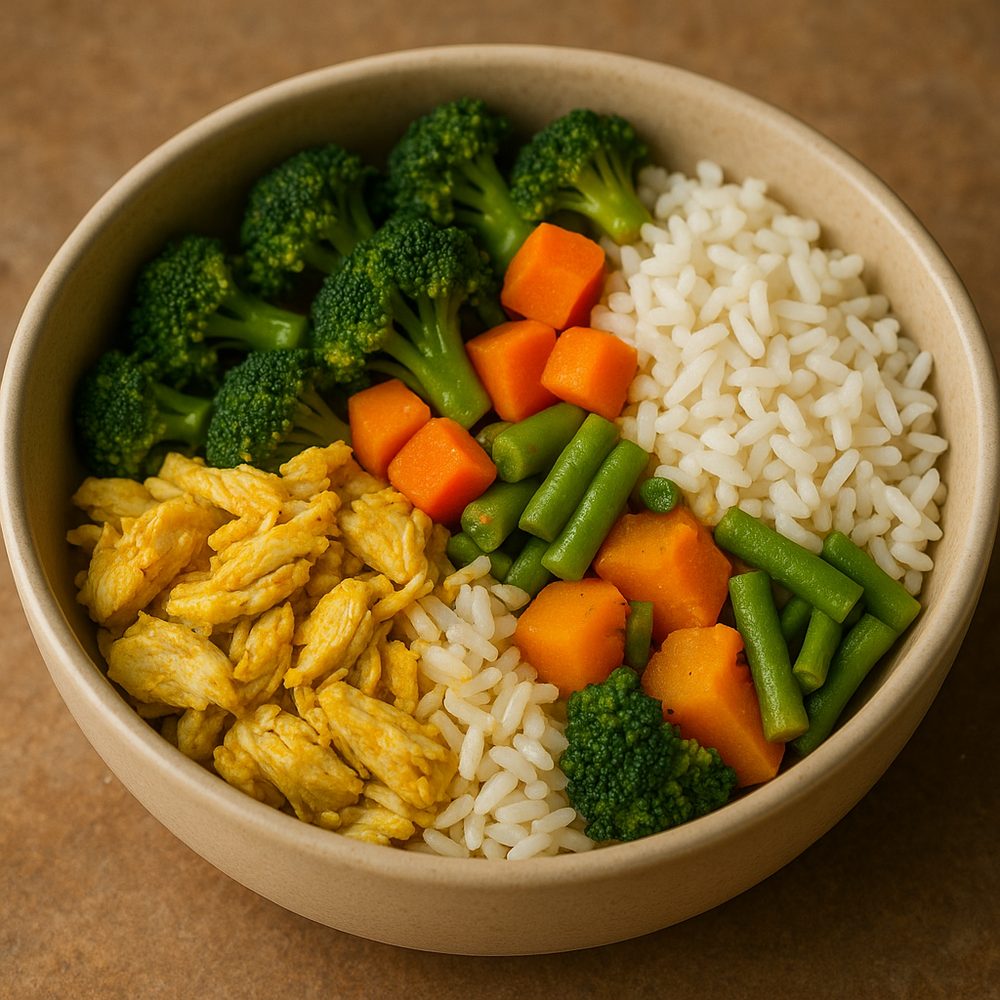
- Pick a plain, gentle starting meal. Something familiar-tasting but fresh. Our Tummy Full is built for exactly this moment: chicken with pumpkin, carrots, beans, broccoli and rice, softened with a hint of virgin coconut oil and a touch of turmeric and jeera.
- Have treats ready. Rewards keep the whole process joyful. Our Wagging Oat Bites (Chicken & Oats) and Home Made Chicken Jerky make perfect transition allies.
The 7-day transition plan
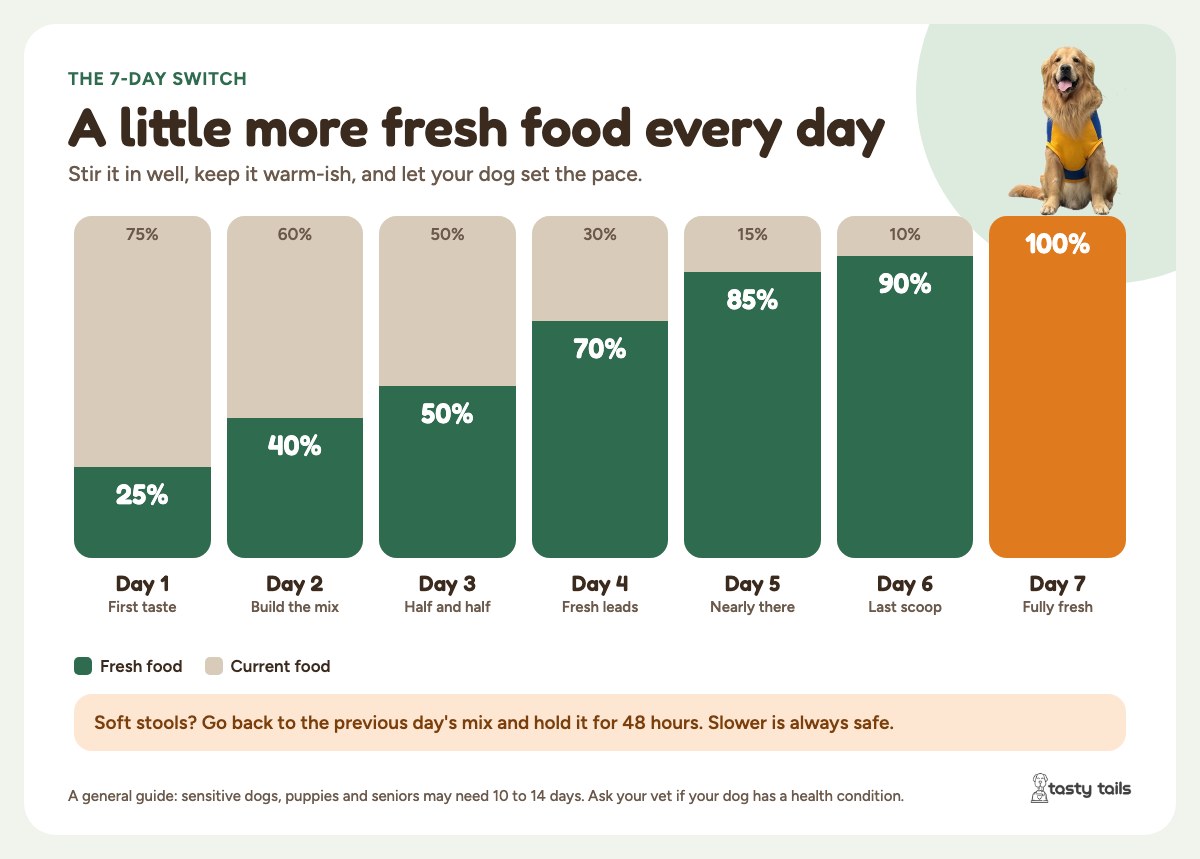
Day 1: The first taste
Keep 75% of the old food and add 25% fresh. Stir them together so every bite carries a little of the new flavour. Watch your dog's excitement level: most pick out the fresh bits first.
Day 2: Build the mix
Move to roughly 60% old food and 40% fresh. Keep the meal warm-ish, never hot. If your dog is allergic to chicken, choose a fresh base they tolerate and apply the same ratios.
Day 3: Half and half
Now it is a true split: 50% fresh, 50% old. This is the day to check digestion. Firm, normal stools mean you are on track. Loose stools just mean slow down; stay at Day 2's ratio for another day or two.
Day 4: Fresh leads
Go to 70% fresh and 30% old. Your dog is now eating mostly real food. This is a good day to introduce a topper that adds excitement: a few crumbled Wagging Oat Bites over the bowl turn dinner into an event.
Day 5: Nearly there
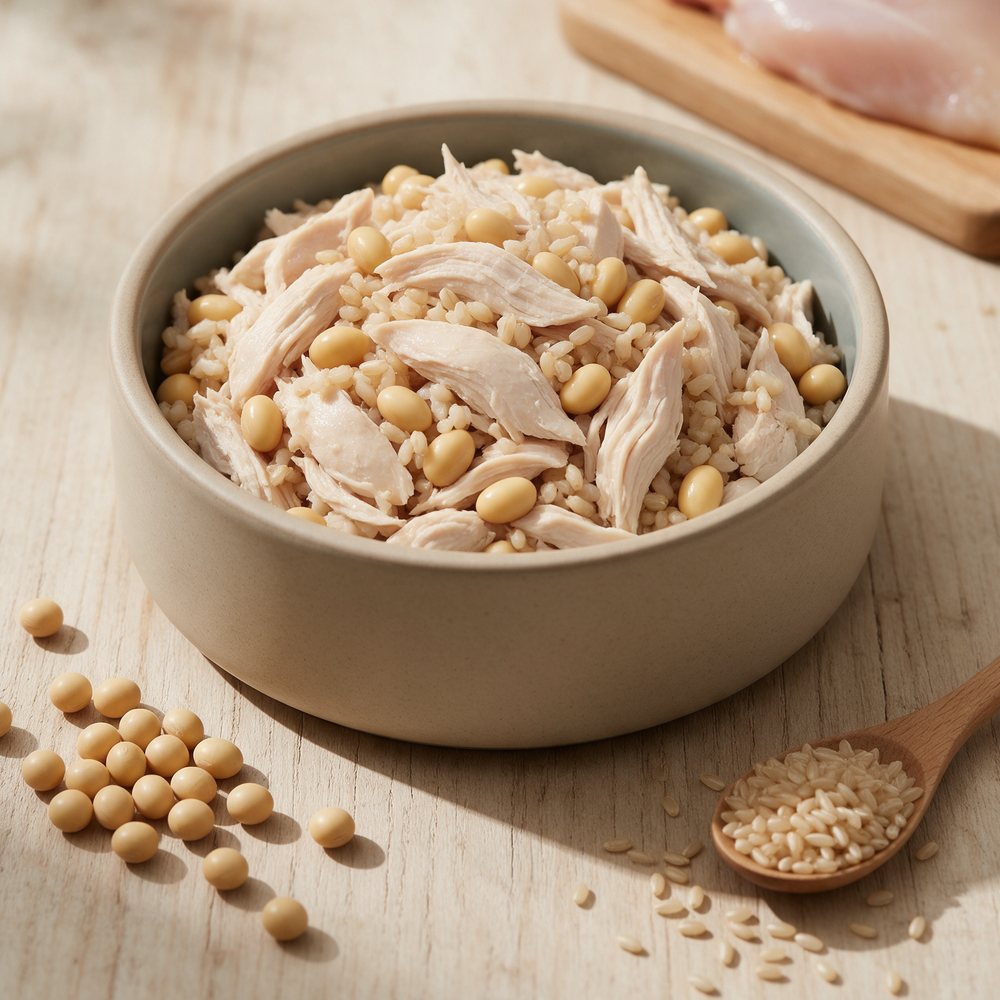
Bump to 85% fresh. If you want a protein-forward meal in the rotation, this is a great time to introduce Power of Protein, with soya, chicken and rice for strength and vitality, alongside the gentler Tummy Full.
Day 6: The last scoop of kibble
90% fresh, 10% old. By now mealtime should feel like a celebration. Notice the small changes: a cleaner bowl, and a dog who waits by the kitchen rather than the pantry.
Day 7: Fully fresh
Congratulations: your dog is now eating fresh food, fully switched. From here, you can rotate meals, adjust portions to keep a healthy weight, and let your dog's energy tell you what is working.
Common bumps and how to handle them
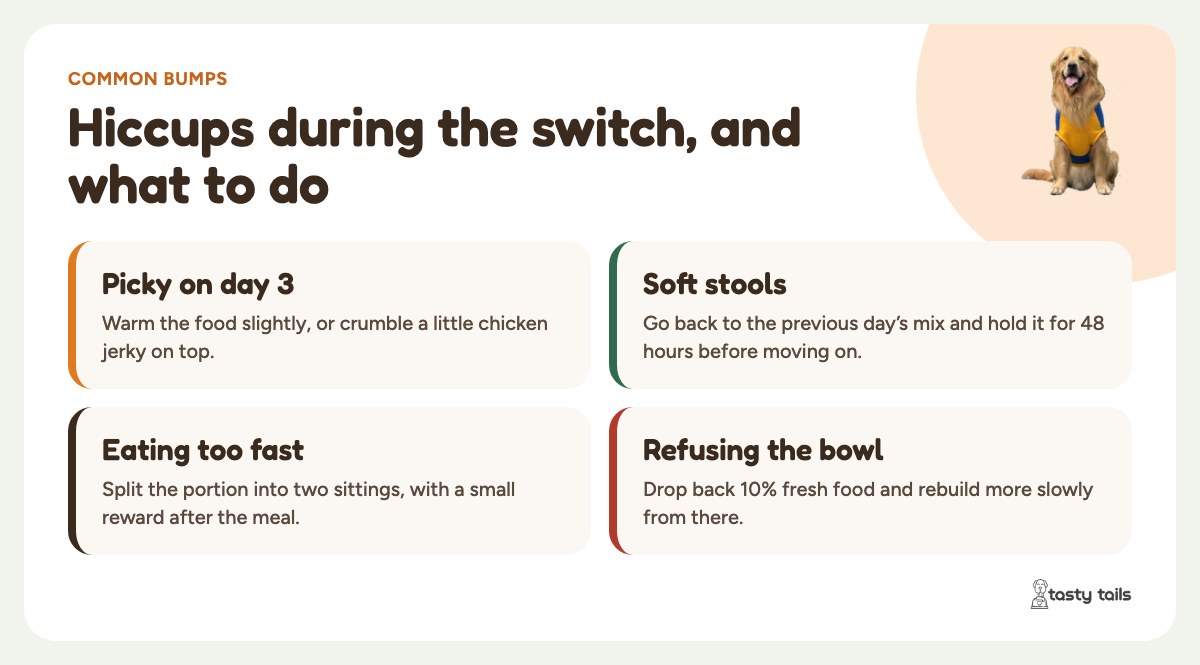
- Picky day three. Some dogs test the mix. Warm the food slightly, or add a crumble of Home Made Chicken Jerky as a topper.
- Soft stools. Pause at the previous day's ratio and hold there for 48 hours before continuing. Never rush a sensitive belly.
- Eating too fast. Divide the portion into two sittings, or offer a few pieces of Beetroot Bar as a slow reward after the meal.
- Refusing entirely. A dog who loved kibble may need a slower ratio. Drop back 10% fresh and rebuild from there.
Call your vet if your dog vomits more than once, has diarrhoea for more than a day or two, has blood in their stool, or seems unwell.
Treats during the switch
Treats still count toward daily intake, so choose ones that work with the plan and keep them under about 10% of the day's calories. Wagging Oat Bites give a satisfying crunch, Home Made Chicken Jerky is a protein-rich reward for good behaviour, and the Nutri Woof Bar adds a colourful, beetroot-packed nibble. Use them as training rewards, toppers, or the little celebration that keeps a nervous switcher eager for the next meal.
How to know it is working
Over the weeks after the switch, many owners notice more consistent stools, steadier energy, a shinier coat, and a dog who is genuinely excited at mealtime. Keep an eye on body condition: you should feel ribs easily but not see them sharply. Adjust portions as activity changes.
Making the switch stick
The transition is the hard part, and you have just mapped it out. Once your dog is fully on fresh food, the goal is simply rhythm: a rotating menu, set meal times, and treats that feel like love rather than filler. That is the whole Tasty Tails idea: mealtime is the kitchen where your pet is the guest of honour, and fresh food is how you say it every single day.
If you are ready to begin, start with a gentle meal and let your dog lead the pace. Want more detail on calories, storage and what's normal? Read our complete kibble-to-fresh guide, or ask our nutritionist to plan it with you.
Freshly made. Tail approved.
Questions pet parents ask
How long does it take to switch a dog to fresh food?
About a week for most dogs, following the day-by-day mix above. Puppies, seniors and dogs with sensitive tummies may need 10 to 14 days.
What should I do if my dog gets loose stools during the switch?
Go back to the previous day's mix and hold it for 48 hours before moving forward again. If it's watery, has blood in it, or lasts more than a day or two, call your vet.
Can I give treats while switching foods?
Yes, in small amounts. Keep treats under about 10% of daily calories, and avoid adding several new treats at once so you know what caused any change.
Sources
Start the switch with these
A gentle first meal, a protein-forward second, and treats to keep it joyful. Tell us your dog’s weight and we’ll suggest portions for each day.



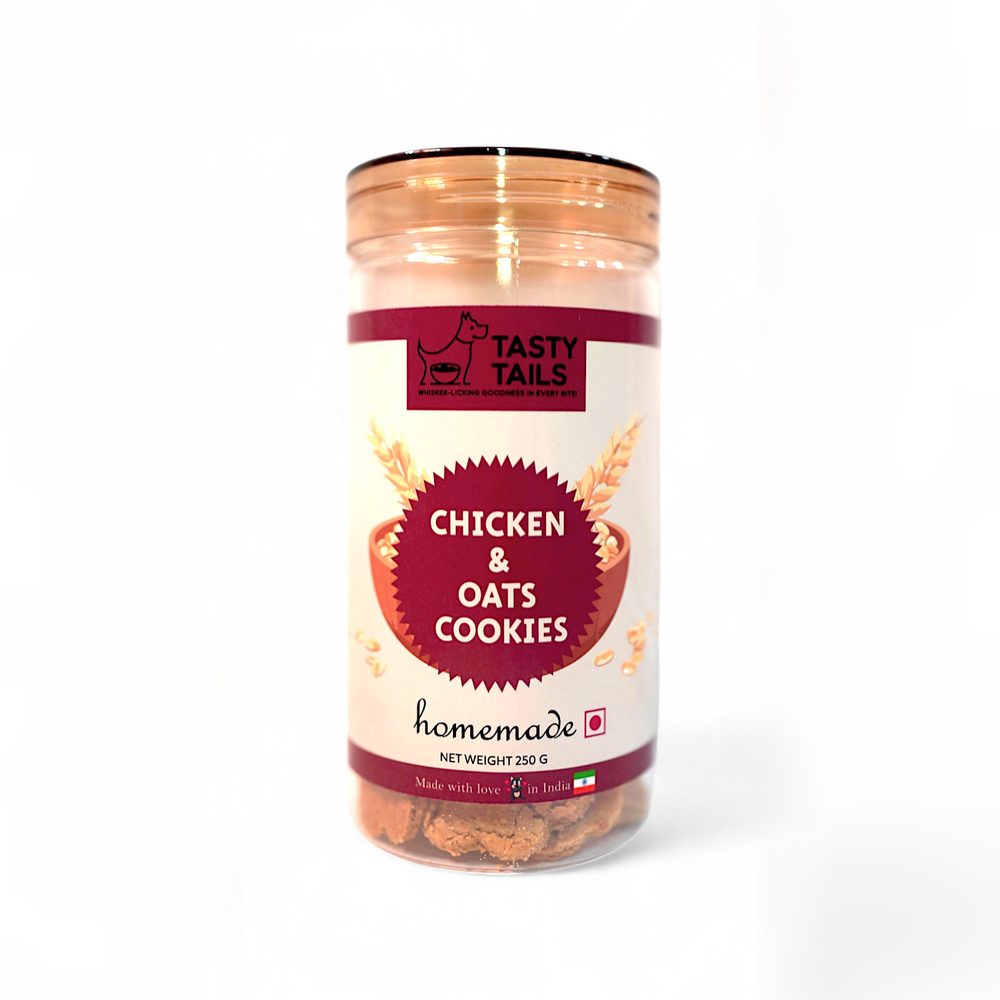
Quick Bites
Wagging Oat Bites - Chicken & Oats

- Protein
- Healthy fats
- Fibre
- Slow-release energy
₹290 250 gms
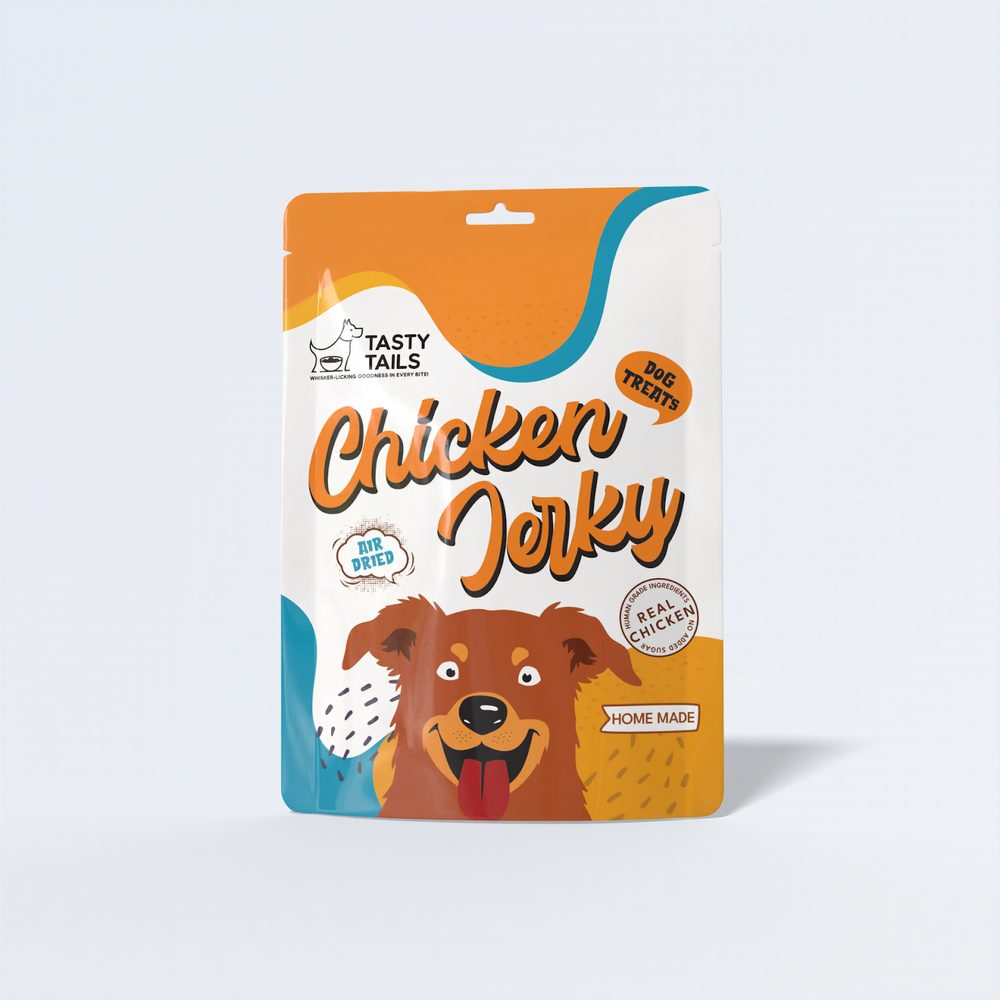


See the full menu or ask our nutritionist what suits your pet.
Was this helpful?
Share with a pet parent