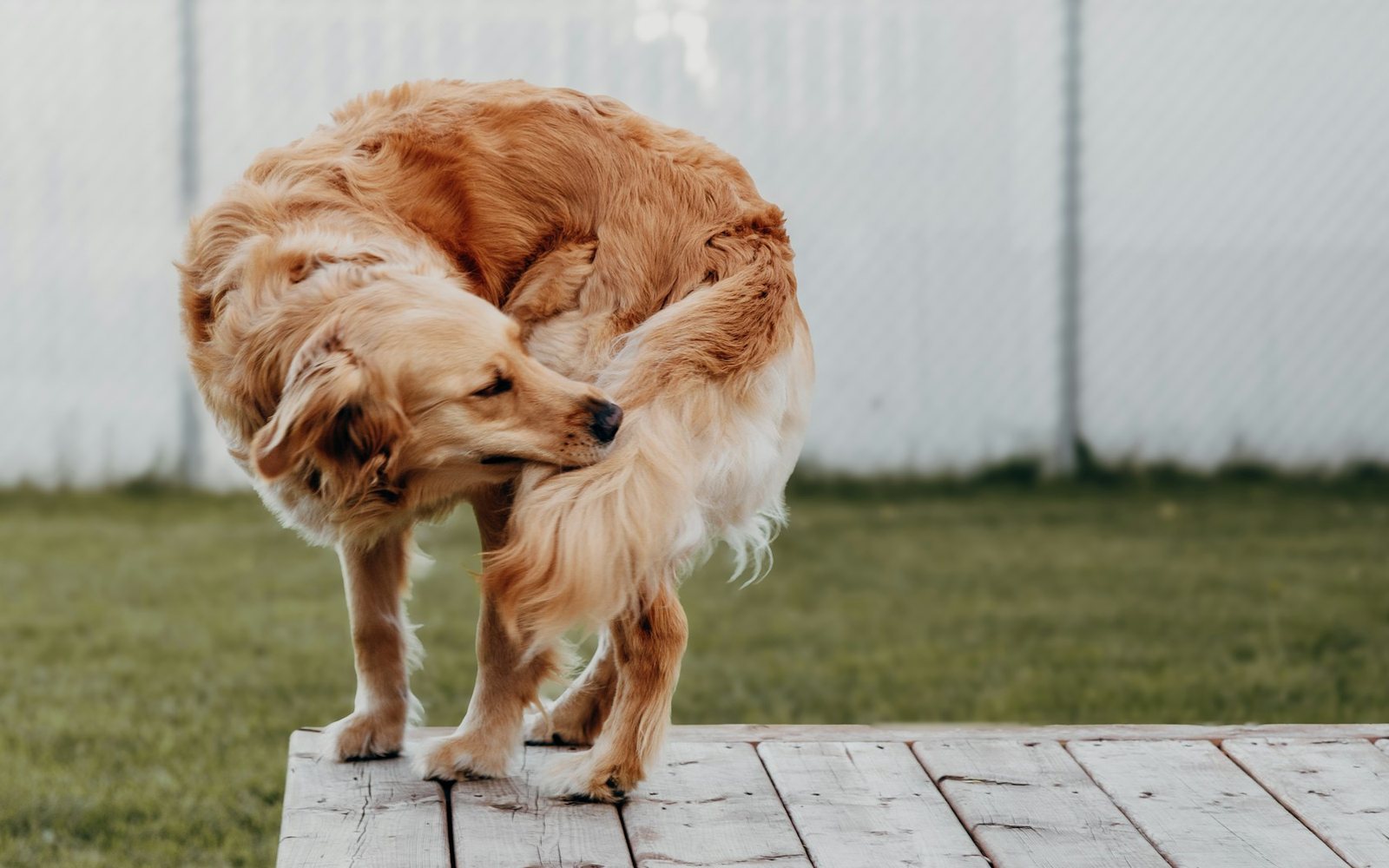
The Wood dog: the bold leader. Traits, health tendencies, food and exercise
The Wood dog is the confident one who wants to lead, and gets frustrated when held back. How to recognise one, what stresses them, what to watch health-wise, and how to feed and exercise them well.
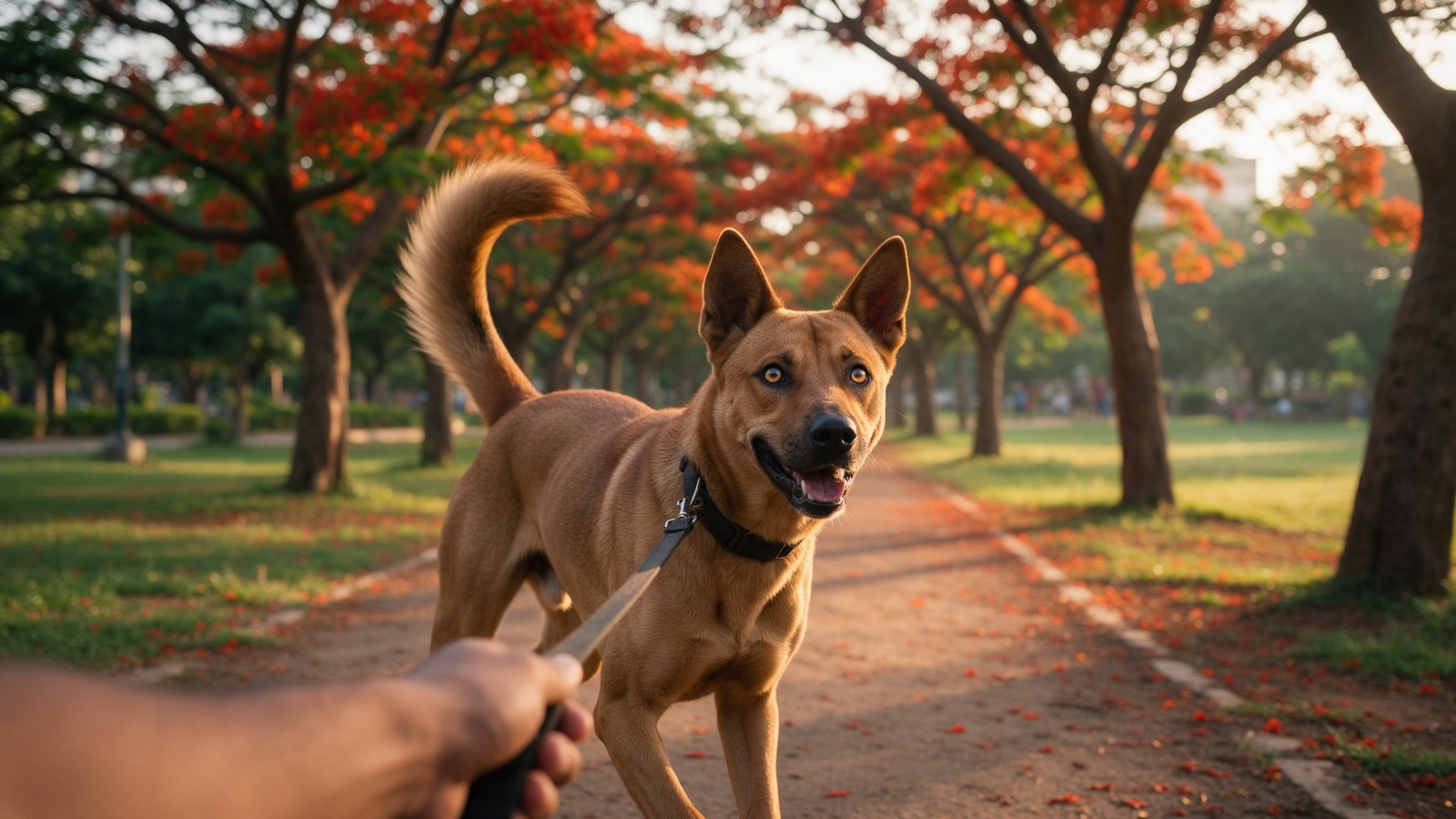
You know the dog. Out of the gate before the latch is fully open, nose pointed at the next lane, tail high, already deciding where the walk is going. When another dog appears, this one wants to be in charge of the meeting. When the lead stops them, they object, loudly.
In the Five Elements tradition of Chinese veterinary medicine, this is the Wood dog: the bold leader. If you're new to the series, start with our beginner's guide to the Five Elements. Here we look at how to recognise a Wood dog, what they're brilliant at, how they react to stress, and how to feed and exercise them so all that drive has somewhere useful to go.
First out of the gate, already deciding where the walk is going. Meet the Wood dog.
How to recognise a Wood dog
Wood is linked with spring: green shoots pushing up through the soil, growth, direction and force. A Wood dog has that same forward energy. Tick what fits your dog on an ordinary day:
Temperament
- Confident and decisive; rarely hesitates
- Likes to lead, on walks and in play
- Competitive with other dogs over toys, space or your attention
- Quick to frustration when blocked or made to wait
Body
- Athletic and well-muscled, often with a strong neck and shoulders
- Moves with purpose, sometimes a little stiff or tense when wound up
- Bright, alert eyes that track everything
Habits
- Pulls on the lead and wants to choose the route
- Barks at the gate, at bikes, at the dog across the road
- Digs, chews or paces when bored
- Learns fast when training feels like a job worth doing
Five or more ticks and Wood is probably a strong part of your dog's make-up. Plenty of working and terrier breeds lean this way, but so do many indies, especially the ones who ran their own corner before they were adopted.
Strengths of the Wood dog
- Drive. They want to do things, which makes them great partners for active families.
- Problem-solving. Puzzle feeders, scent games and new tricks keep them happy.
- Courage and loyalty. They take their role as household guard seriously.
- Trainability. Give a clear task and a fair reward and they'll work hard for you.
- Resilience. They bounce back quickly from small setbacks.
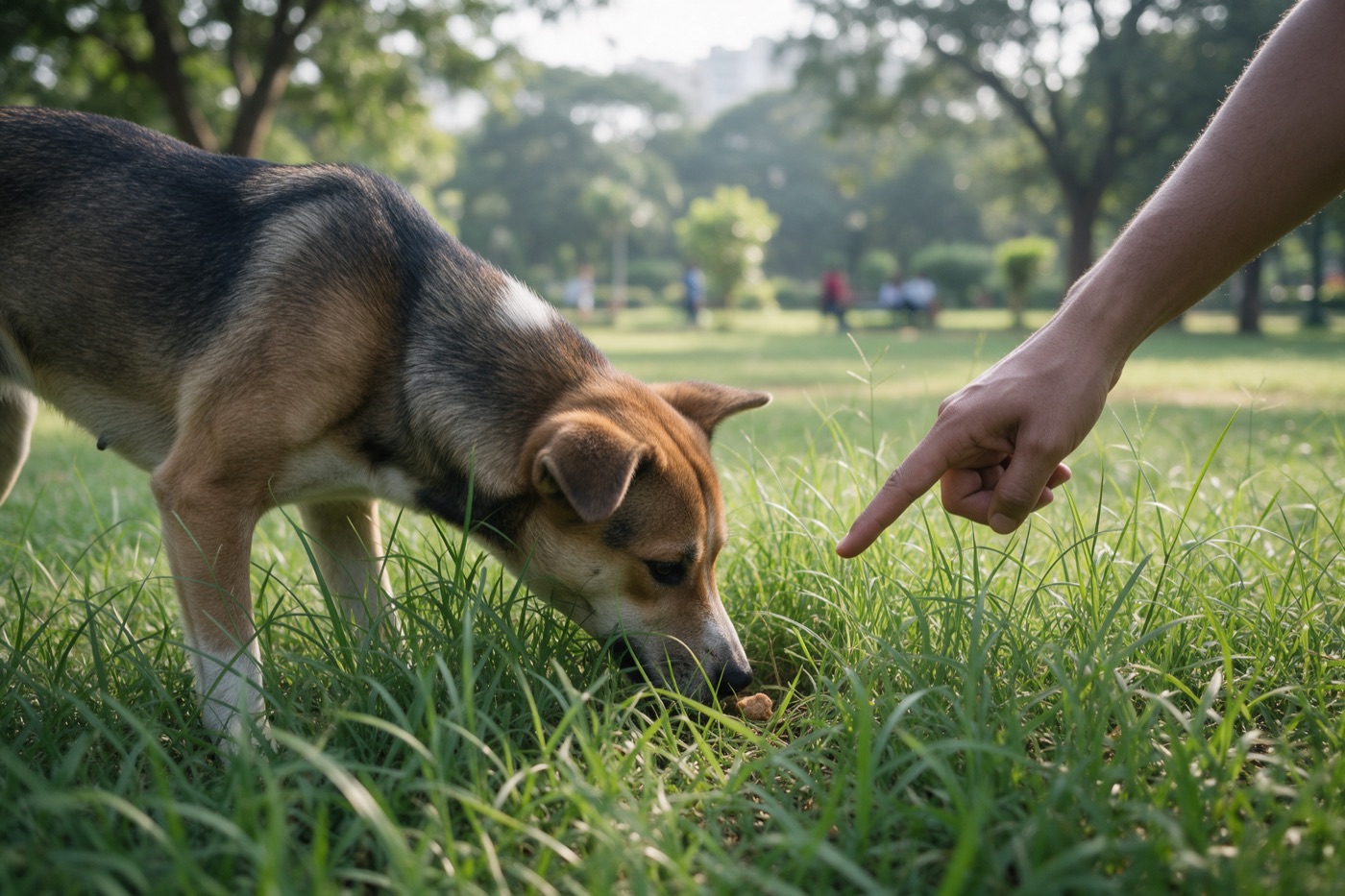
How a Wood dog reacts to stress
The tradition links Wood with wind and with the emotion of anger or frustration. When a Wood dog's energy is blocked, frustration builds. You might see:
- Lead reactivity: lunging and barking at dogs, bikes or autos
- Barrier frustration at gates, windows and balcony grilles
- Pacing, whining, destructive chewing or digging after a dull day
- Grumbling, stiffening or snapping when cornered, held or handled roughly
- Bossing other pets around food bowls, beds or doorways
What helps: clear and consistent rules, daily outlets for energy, and reward-based training with a qualified trainer if reactivity is growing. Harsh corrections tend to make frustrated dogs more reactive, not less. And one important mainstream point: if a confident dog suddenly becomes snappy or aggressive, book a vet check first. Pain from ears, teeth, joints or the belly is a common hidden cause of behaviour change.
Festival season tests Wood dogs too. Late-night music and strangers on the street are a lot of things to want to control; our guide to garba and dandiya nights has ideas that suit them.
Wood dogs do not need a longer leash. They need a job, clear rules and somewhere for all that drive to go.
Health tendencies to watch
In TCVM, Wood governs the liver and gallbladder, and is linked with the eyes, tendons, ligaments and nails. "Wind" problems, ones that come and go or move around the body, are also associated with Wood. Practitioners in the tradition often watch Wood dogs for:
- Tight muscles, strains, and tendon or ligament injuries, especially in dogs who play hard
- Red, itchy or irritated eyes
- Itchy skin flare-ups that seem to move around
- Stomach upsets that show up with stress or frustration
- Irritability that gets worse in spring or windy weather
Some of this lines up with everyday vet experience: active, fast-turning dogs do get more soft-tissue injuries, and cruciate ligament problems are common in energetic dogs, especially if they're carrying extra weight. A quick but honest reminder: the Five Elements is a traditional framework for observing temperament and tendencies, not a diagnosis, and the scientific evidence for it is limited. Use it to notice things, then let your vet make sense of them.
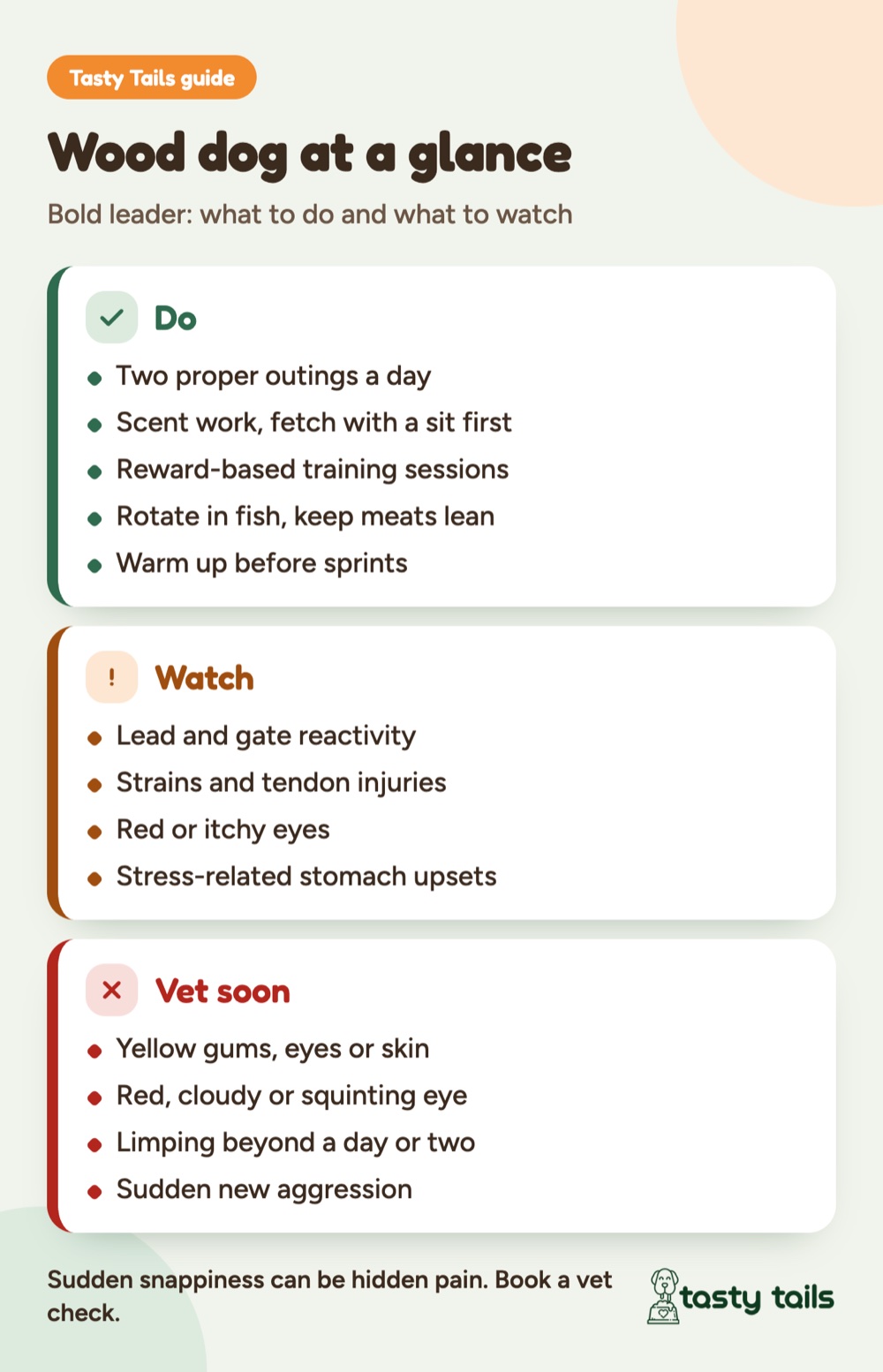
These signs need a vet
- A yellow tinge to the gums, whites of the eyes or skin
- A red, cloudy, squinting or weeping eye, or pawing at the face
- Limping for more than a day or two, or any lameness with swelling
- Repeated vomiting, diarrhoea with blood, or not eating for over 24 hours
- Dark urine, pale or grey stools, or drinking much more than usual
- A sudden change in temperament, especially new aggression
Go to the vet now for an eye injury, a leg your dog won't put weight on, collapse, a seizure, or any suspected poisoning. For poisonings, call your nearest 24-hour vet; the ASPCA Animal Poison Control Center also offers advice.
Food ideas for a Wood dog
In the tradition, Wood dogs tend to run tense and a little "hot", so practitioners often lean on neutral and cooling foods and go easy on very rich, fatty or heavily warming meals. That fits sound mainstream nutrition surprisingly well. Practical ideas:
- Rotate in fish. Fish is traditionally seen as cooling, and oily fish also brings omega-3 fats for skin, coat and joints.
- Keep meats lean. Skip fatty mutton trimmings and fried leftovers; very fatty meals can trigger tummy upsets and pancreatitis in any dog.
- Add cooked greens and vegetables such as beans, zucchini and carrot, with leafy greens like spinach in small amounts.
- Feed on a regular schedule so a pushy dog isn't waiting and stewing. Avoid feeding a big meal right before or after hard exercise, particularly for large, deep-chested dogs.
- Keep it complete and balanced. Any element-based tweak still has to cover protein, fat, vitamins and minerals. Our calorie guide helps with portions.
Exercise ideas
A Wood dog needs more than a stroll to the corner. Aim for two proper outings a day, with at least one that includes a job:
- Scent work. Hide treats along the walk or around the flat and send them to "find it". Sniffing is calming and tiring at the same time.
- Fetch with rules. Ask for a sit and a wait before every throw, so the game builds self-control as well as speed.
- Tug with a "drop" cue. Great for confident dogs, as long as the game stops the moment teeth touch skin.
- Training sessions. Five minutes of new tricks before breakfast takes the edge off a busy brain.
Protect those tendons and ligaments: warm up with a few minutes of walking before sprints, avoid endless ball-chasing with sharp turns on tiles or hard ground, and walk in the cool of early morning or evening. On rainy Bangalore days, swap the long walk for indoor games and a chew.
An everyday example
Rocky is a three-year-old indie adopted from a lane in Koramangala. He's handsome, muscular and convinced he's in charge of the building. Every delivery bike gets a lecture, and walks used to be a tug of war. His family noticed he was worst on days when he'd only had a quick loop round the block.
They changed three things. Mornings now start with a twenty-minute sniffy walk and a "find it" game in the park. Evening fetch comes with a sit before every throw. And twice a week his chicken bowl is swapped for fish. Rocky still barks at the gate, he's a Wood dog after all, but he settles faster, and the lead feels like teamwork rather than a contest.
From our kitchen
For fish days, our Salmon Fish Classic Bowl combines salmon with rice, sweet potato, carrot, peas, zucchini and spinach, and the simpler Fish & veggie bowl is gently boiled fish with green beans and carrots, with no salt, oil or spices. For training, Fish Bites are a single-ingredient reward, and a Spinach Bar broken into small pieces works well for "find it" games.
Questions about Wood element dogs
Are Wood dogs aggressive?
Not by nature. They're confident and can be reactive when frustrated, but with outlets, clear rules and reward-based training most are wonderful companions. Any sudden aggression should be checked by a vet for pain.
Can a small dog be a Wood dog?
Yes. Many terriers and small indies have classic Wood energy. Size has little to do with it; attitude does.
What is the best food for a Wood dog?
A complete, balanced diet with lean proteins, some fish, and cooked vegetables fits both the tradition and mainstream nutrition. Avoid very fatty or fried food.
How much exercise does a Wood dog need?
Most do best with two outings a day plus a short training or scent session. The exact amount depends on age, breed and health, so ask your vet if your dog is young, old or overweight.
Sources
- Merck Veterinary Manual: Behavior Problems of Dogs
- VCA Animal Hospitals: Conjunctivitis in Dogs
- Merck Veterinary Manual: Gastric Dilation and Volvulus in Small Animals
- ASPCA Animal Poison Control Center
- Cheryl Schwartz, Four Paws, Five Directions (Penguin Random House)
- Elizabeth Anne Johnson, Know Your Dog's True Nature (OverDrive listing)
Lighter bowls and rewards for Wood dogs
Fish-based bowls lean towards the cooling side in the tradition, and small, high-value treats help with training a busy mind.






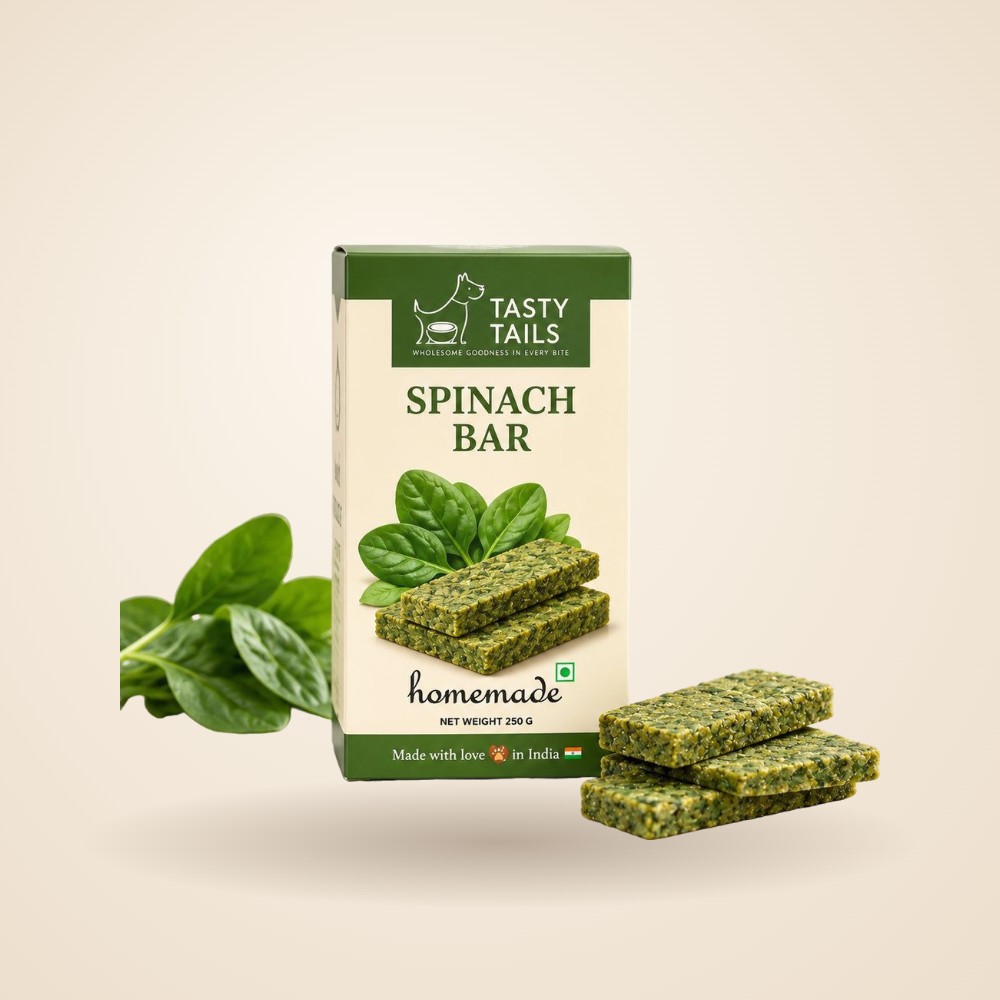

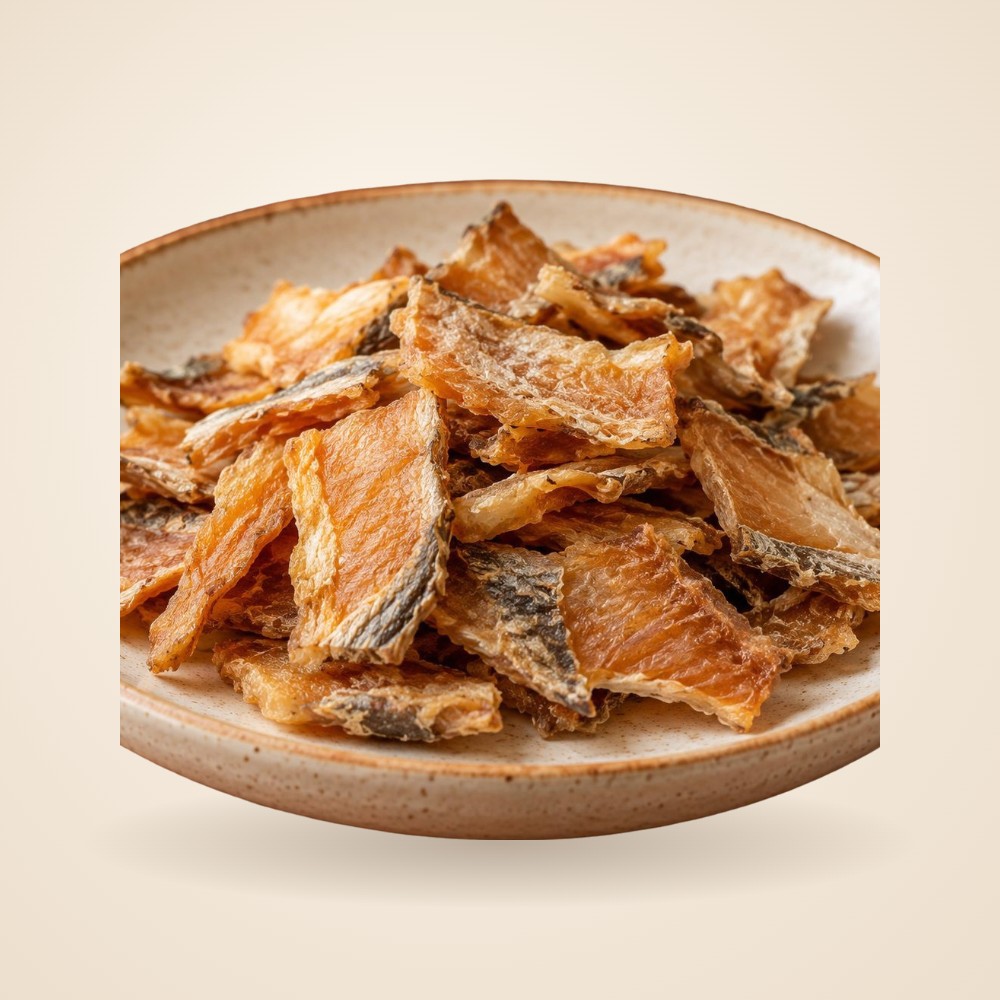
See the full menu or ask our nutritionist what suits your pet.
Was this helpful?
Share with a pet parent