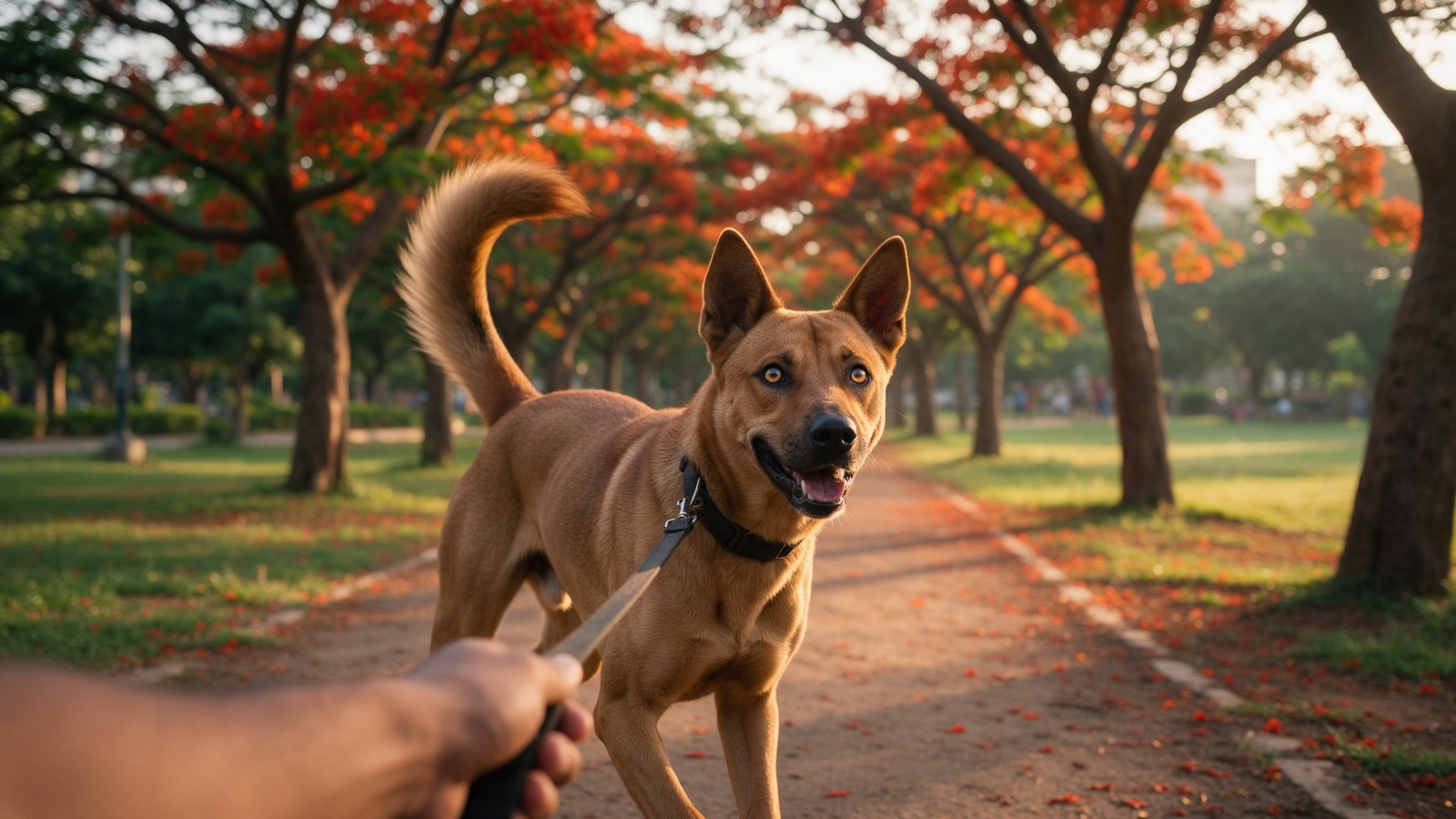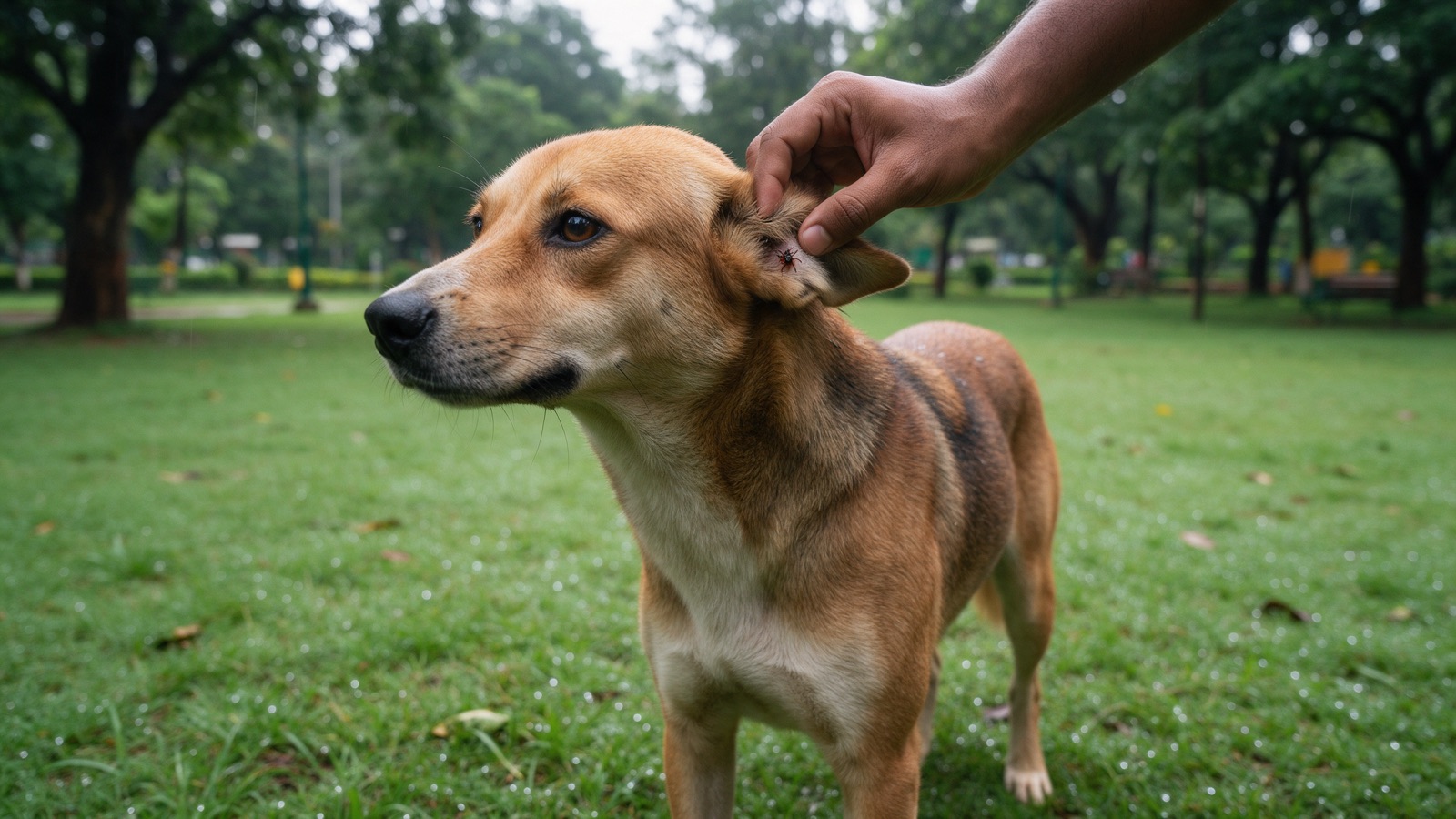
The Fire dog: the joyful extrovert. Traits, health tendencies, food and exercise
The Fire dog greets every guest like a best friend and finds it hard to switch off afterwards. How to recognise one, keep them calm and cool, and spot the health signs that need a vet.
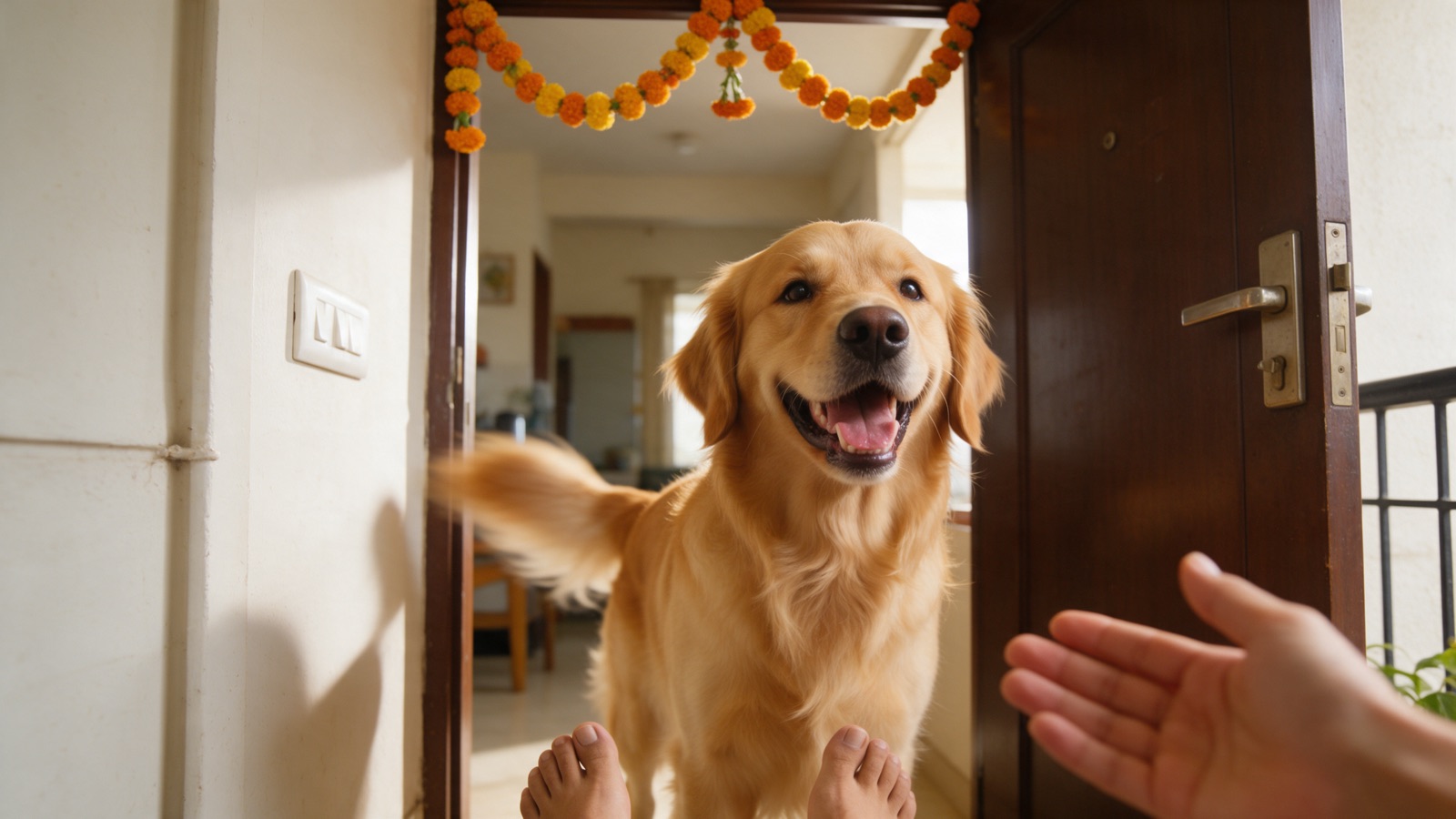
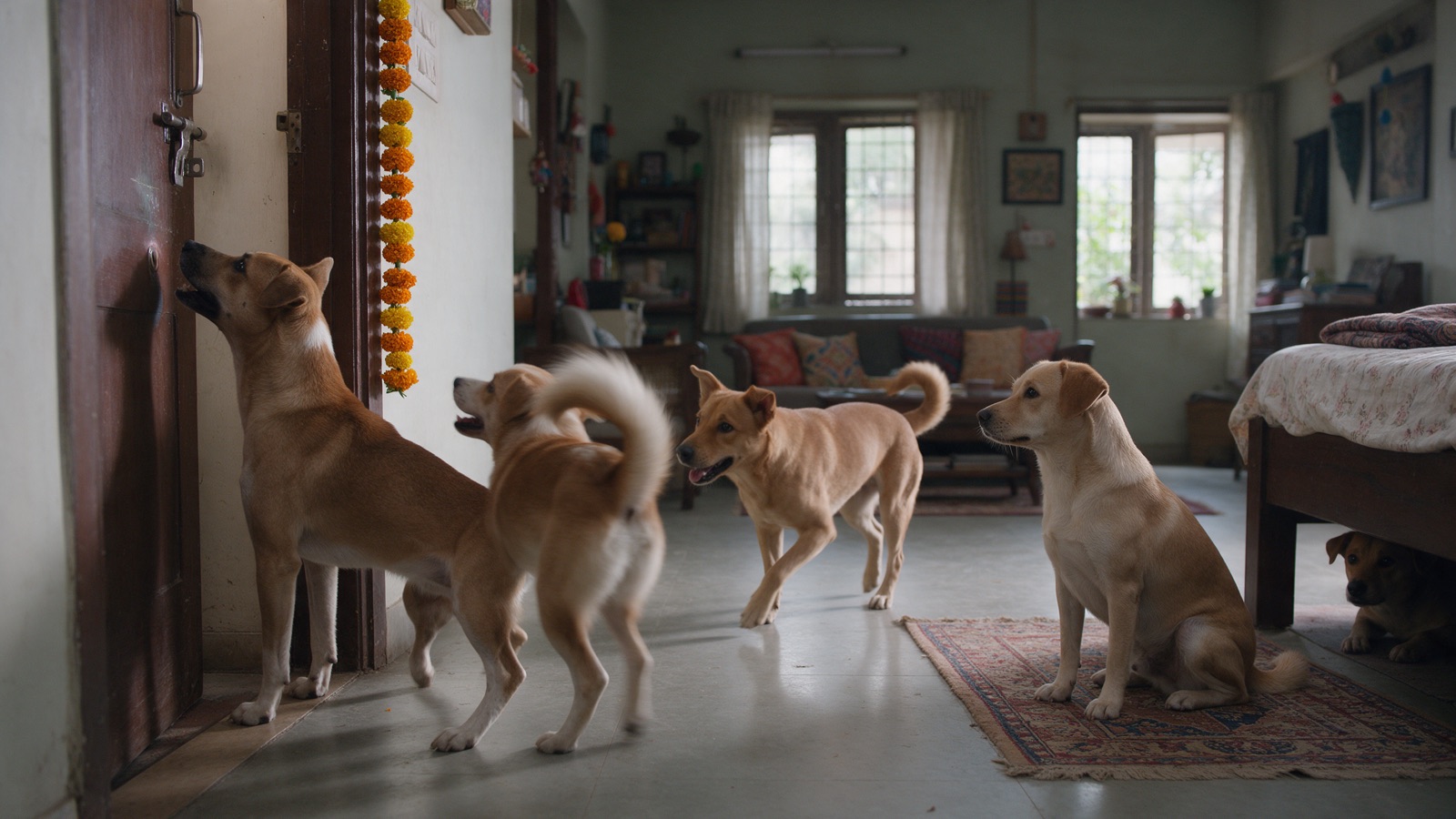
The doorbell rings and one dog in the house treats it like a wedding procession. Whole body wiggling, tail going in circles, a squeak or two, then a lap of the sofa for good measure. Hours after the guests have gone, the same dog is still padding around, panting, unable to settle.
In the Five Elements tradition of Chinese veterinary medicine, this is the Fire dog: the joyful extrovert. If you're just joining the series, our beginner's guide explains the system, and the Wood dog post covers the bold leader. Here's how to recognise a Fire dog, what lights them up, what tips them over, and how to keep them happy and cool.
Treats every doorbell like a wedding procession, then cannot settle for hours. Hello, Fire dog.
How to recognise a Fire dog
Fire is linked with summer, warmth, light and connection. A Fire dog seems to glow when people are around. Tick what fits your dog on an ordinary day:
Temperament
- Sociable and affectionate with almost everyone
- Expressive: lots of wiggling, whining, "talking" and play bows
- Loves attention and an audience
- Sensitive to the mood in the house, good or bad
Body
- Often lean and light on their feet, with a bright, expressive face
- Feels warm to the touch, pants easily and seeks out cool tiles
- Restless sleeper who twitches, shifts or gets up often
Habits
- Jumps up to greet, follows you from room to room
- Gets over-excited during play and finds it hard to stop
- Dislikes being left alone; may whine or bark when you leave
- Wilts on hot afternoons and perks up in the evening
Five or more ticks suggests Fire is strong in your dog. Many retrievers, spaniels and toy breeds lean this way, and so does the friendly indie who escorts every school child to the bus stop.
Strengths of the Fire dog
- Joy. They make every homecoming feel like a celebration.
- Sociability. Often good with visitors, children and other friendly dogs.
- Empathy. Many seem to sense when someone is sad and come to sit close.
- Easy motivation. Praise, play and a happy voice go a long way in training.
- Playfulness. They keep the whole household young.
How a Fire dog reacts to stress
The tradition says the heart houses the Shen, often translated as the mind or spirit, and that Fire's emotion is joy. Too much excitement, heat or upheaval and that joy can flip into anxiety. Under stress you might see:
- Panting, pacing and whining that carry on long after the excitement ends
- Clinginess, or distress when left alone
- Jumping, mouthing or zoomies that tip into frantic
- Restless nights and early waking
- Loose stools after a big day
What helps: keep greetings calm (yours and theirs), build a "settle on the mat" habit with gentle rewards, and give a sniffy walk or a lick mat after exciting events so the nervous system can come down. A quiet room with a fan, a familiar bed and soft music works well during busy evenings. With Navratri crowds now and Diwali a few weeks away, have that room ready early. Our guides to garba and dandiya nights and Diwali safety have more ideas. If anxiety is getting worse or your dog can't be left alone at all, talk to your vet; there are good treatments, and a behaviour plan helps.
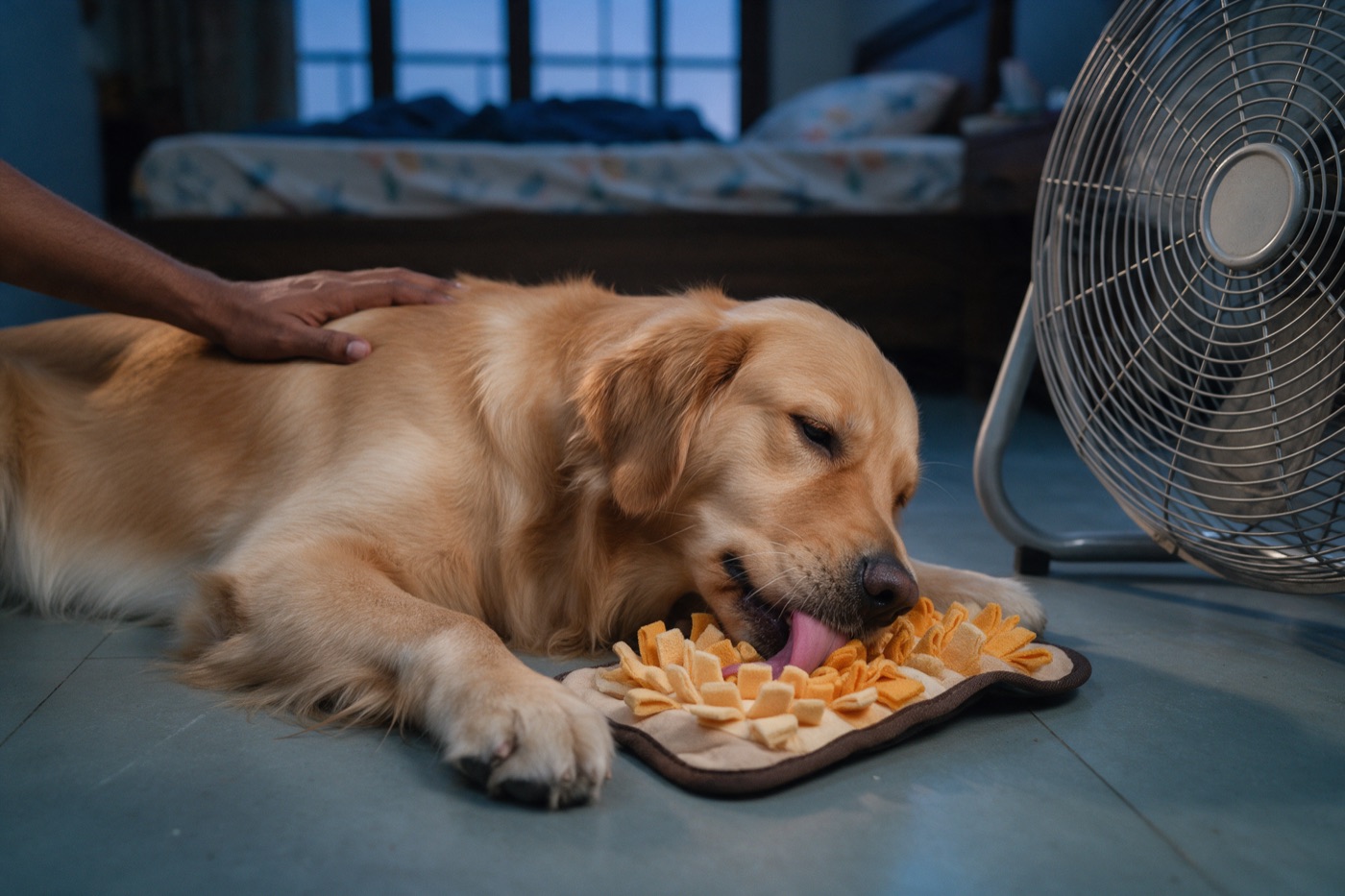
Health tendencies to watch
In TCVM, Fire governs the heart and small intestine, is linked with the tongue, and struggles with heat. Practitioners in the tradition often watch Fire dogs for:
- Overheating and heat intolerance
- Anxiety, restlessness and disturbed sleep
- Excess panting
- Loose stools when stressed
- Heart concerns in later life
TCVM vets also look closely at the tongue's colour and coating. You don't need to read tongues, but knowing what your dog's normal tongue and gum colour looks like is genuinely useful; healthy gums are usually a moist pink. A plain reminder: the Five Elements is a traditional framework for noticing temperament and tendencies. It isn't a diagnosis and the scientific evidence for it is limited, so health concerns always go to your vet.
These signs need a vet
- A cough, especially at night or after lying down
- Breathing faster than usual while asleep; a resting rate that's consistently above about 30 breaths a minute is worth a call
- Tiring quickly on walks, or lagging behind when they used to lead
- A swollen belly, fainting or collapsing
- Diarrhoea that lasts more than a day or two, or has blood in it
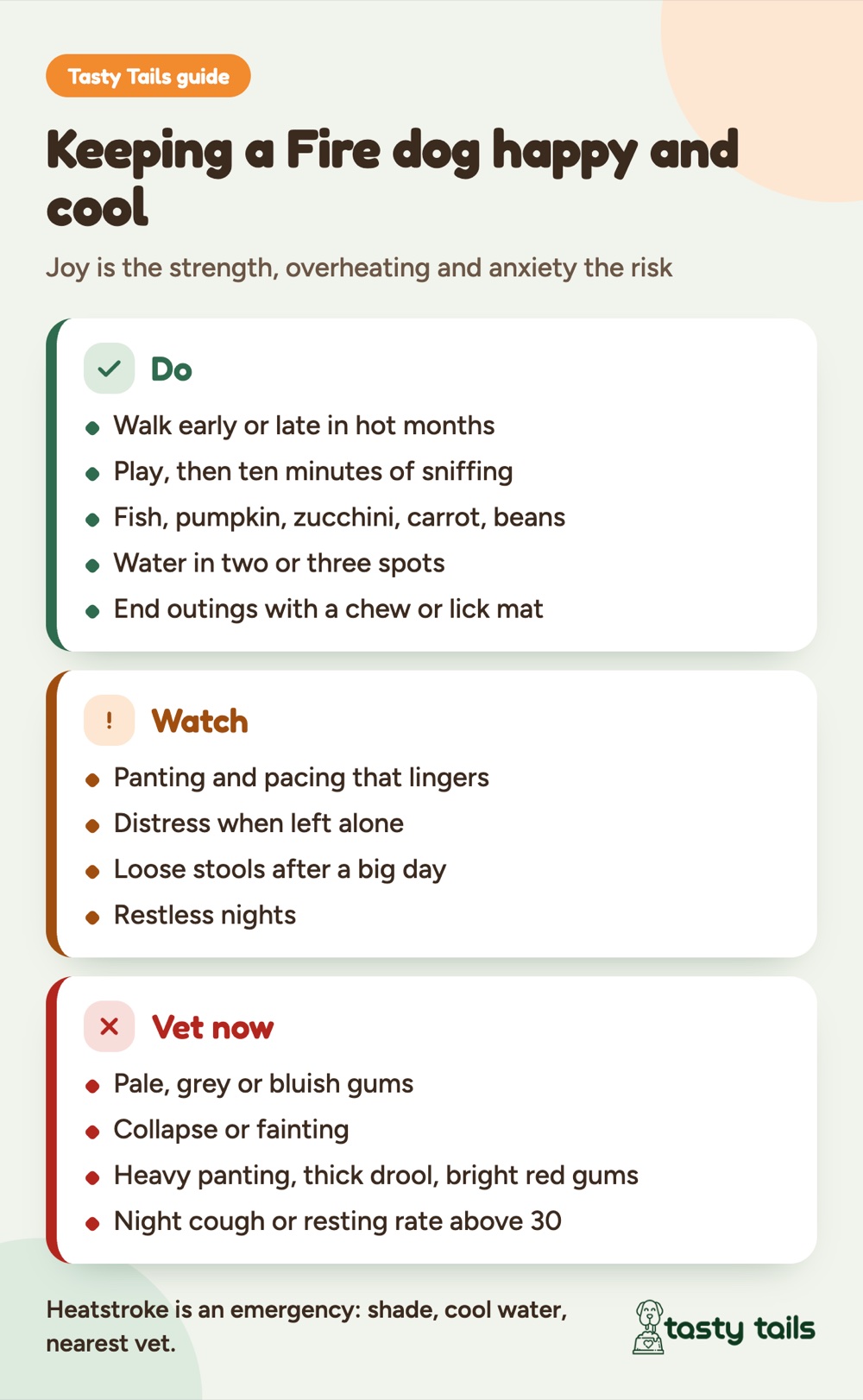
Go to the vet now if the gums or tongue look pale, grey or bluish, if your dog collapses, or if you see signs of heatstroke: heavy panting, thick drool, bright red or dark gums, vomiting, wobbliness or confusion. Move them to shade, wet them with cool (not ice-cold) water, and head straight to the nearest vet. For suspected poisoning, call your nearest 24-hour vet or the ASPCA Animal Poison Control Center.
Food ideas for a Fire dog
The tradition sees Fire dogs as running warm, so practitioners tend to favour cooling and neutral foods and go easy on heavily warming meals, especially in summer. Combined with mainstream common sense, that looks like:
- Fish in the rotation. Fish is traditionally considered cooling, and it's a good lean protein.
- Plenty of cooked vegetables. Pumpkin, zucchini, carrot and beans add bulk and moisture. Peeled cucumber or seedless watermelon (no rind) are refreshing summer snacks in small amounts.
- Extra water. Keep fresh water in two or three spots, and add a little water to meals on hot days.
- Nothing spicy or fried. Leftover masala food, namkeen and fried festival snacks upset sensitive tummies and add fat and salt dogs don't need.
- Smaller, regular meals. Predictable mealtimes help anxious dogs, and lighter meals sit better in the heat.
Whatever you change, keep the overall diet complete and balanced, and switch proteins slowly over a week.
Exercise ideas
Fire dogs love play, especially with people and friendly dogs. The trick is to pair the fun with a proper wind-down:
- Walk early or late. In Bangalore's hot months, roughly March to May, stick to early mornings and evenings and avoid hot pavements.
- Play, then sniff. Follow ten minutes of fetch with ten minutes of slow sniffing on a long lead.
- Short training games. Tricks, "touch" and recall games burn energy and build focus.
- Calm social time. One steady dog friend is better than a crowded dog park.
- End with a settle. Finish every outing with a chew or lick mat on their bed.
Play first, then sniff. Every exciting outing ends better with a proper wind-down.
An everyday example
Laddoo is a four-year-old Golden Retriever in Jayanagar. During Navratri, the house fills with neighbours coming to see the golu display, and Laddoo greets every single one. By ten at night he's panting on the cool floor, can't settle, and has a soft tummy the next morning.
This year his family tried a different plan. Guests arrive to a dog who's already had a long evening sniff walk. Laddoo says hello on a lead for two minutes, then goes to the back bedroom with a fan, his bed and a stuffed lick mat. Dinner is a lighter fish bowl. He still adores the visitors, but he sleeps through the night.
From our kitchen
Fish Delight pairs fresh fish with rice, carrot, peas, pumpkin and zucchini, a good lighter option on warm days. Sunrise Skillet is four poached eggs on lightly cooked zucchini, carrot, broccoli and pumpkin, a filling treat meal rather than an everyday dinner. And a piece of an Oats & Blueberry Cookie makes a nice reward for settling on the mat.
Questions about Fire element dogs
Is my Fire dog anxious or just happy?
Happy excitement fades within a few minutes. If panting, pacing or whining carries on long afterwards, or appears when you leave, it's more likely anxiety, and worth discussing with your vet.
Should a Fire dog avoid chicken?
No. Chicken is traditionally seen as warming, so some owners rotate in more fish during summer, but chicken remains a good lean protein for most dogs.
How do I keep a Fire dog cool in Bangalore?
Walk early and late, offer water in several places, give access to cool tiles and a fan, and never leave a dog in a parked car. Learn the signs of heatstroke and treat them as an emergency.
Can a Fire dog be left alone?
Many can, with gradual practice and a calm routine. If your dog panics when alone, ask your vet or a qualified behaviour professional for a plan.
Sources
Lighter meals for dogs who run warm
Fish and egg-and-vegetable meals sit on the lighter side of the menu, and a small cookie makes a good reward for settling down.









See the full menu or ask our nutritionist what suits your pet.
Was this helpful?
Share with a pet parent