This Dhanteras, invest in health: a vet check-up, vaccines and deworming checklist for dogs
The best Dhanteras investment for a dog owner might be an hour at the vet. A practical checklist for the annual check-up, vaccines (core, rabies and leptospirosis), deworming and tick prevention in India.
Dhanteras is the day for buying something that holds its value: a gold coin, a silver lamp, a new steel kadai for the kitchen. If you have a dog, here is a less shiny suggestion to add to the list. The best thing you can invest in this year might be an hour at the vet.
Preventive care is the closest thing pet health has to compound interest. A vaccine costs a fraction of treating parvovirus. A deworming tablet is cheaper than an upset puppy on a drip. A blood test that catches kidney changes early buys years. This checklist covers what a good annual check-up looks like for a dog in India, and what to ask while you are there.
Gold holds its value, but so does a dog who never catches parvo. Book the check-up.
1. Book the annual check-up (twice a year for seniors)
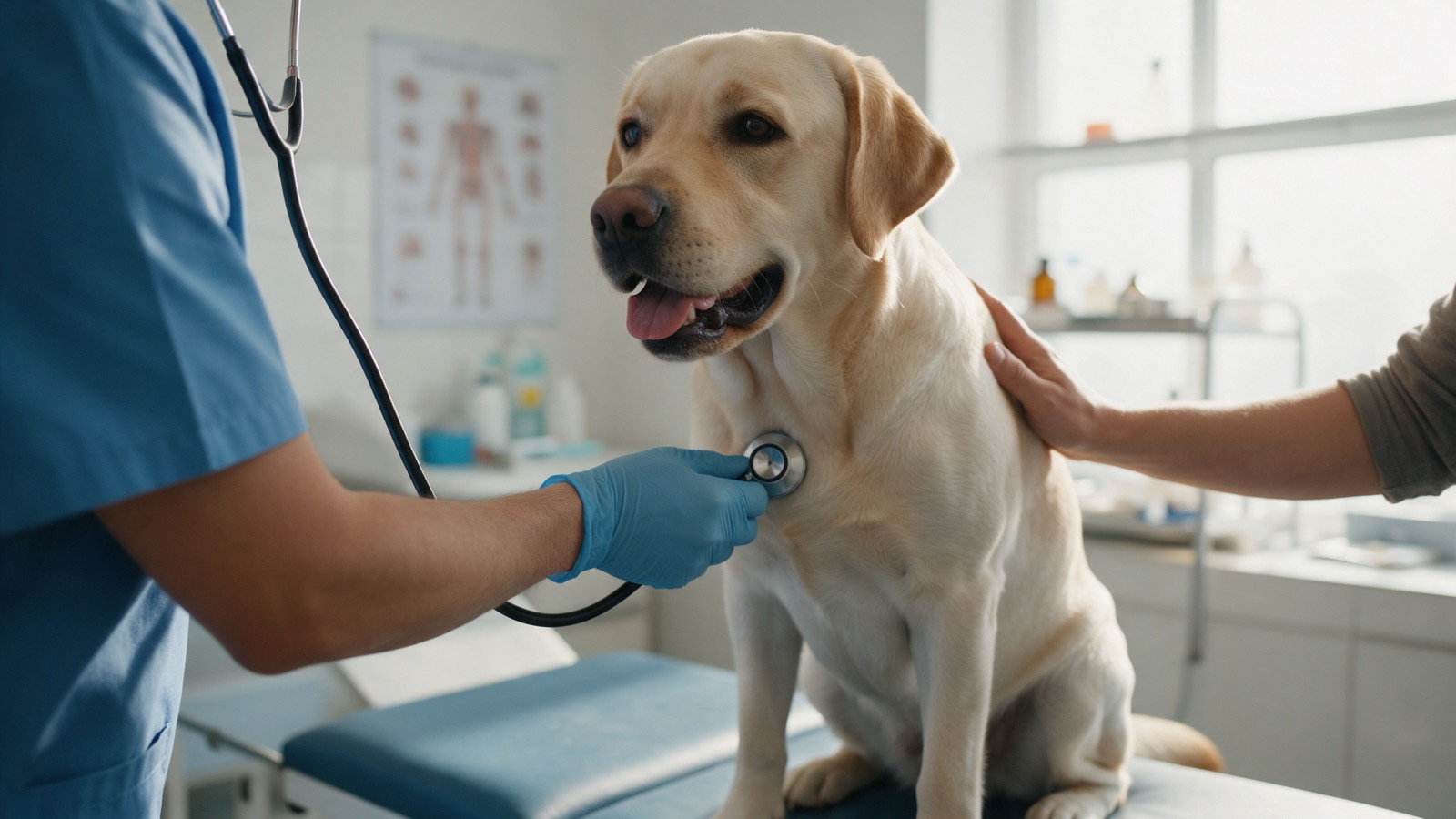
Healthy adult dogs should see the vet at least once a year, even when nothing seems wrong. Dogs over about seven, or younger for giant breeds, usually benefit from a visit every six months. Our post on senior dog health explains why.
A good check-up usually includes:
- Weight and body condition score, compared with last year.
- Eyes, ears, nose, mouth, teeth and gums.
- Listening to the heart and lungs.
- Feeling the belly, lymph nodes and any lumps.
- Checking skin, coat, nails and paws.
- Watching your dog walk, and checking joints for pain or stiffness.
- A review of vaccines, parasite prevention and diet.
- Blood and urine tests if your dog is older, unwell, or starting long-term medicine.
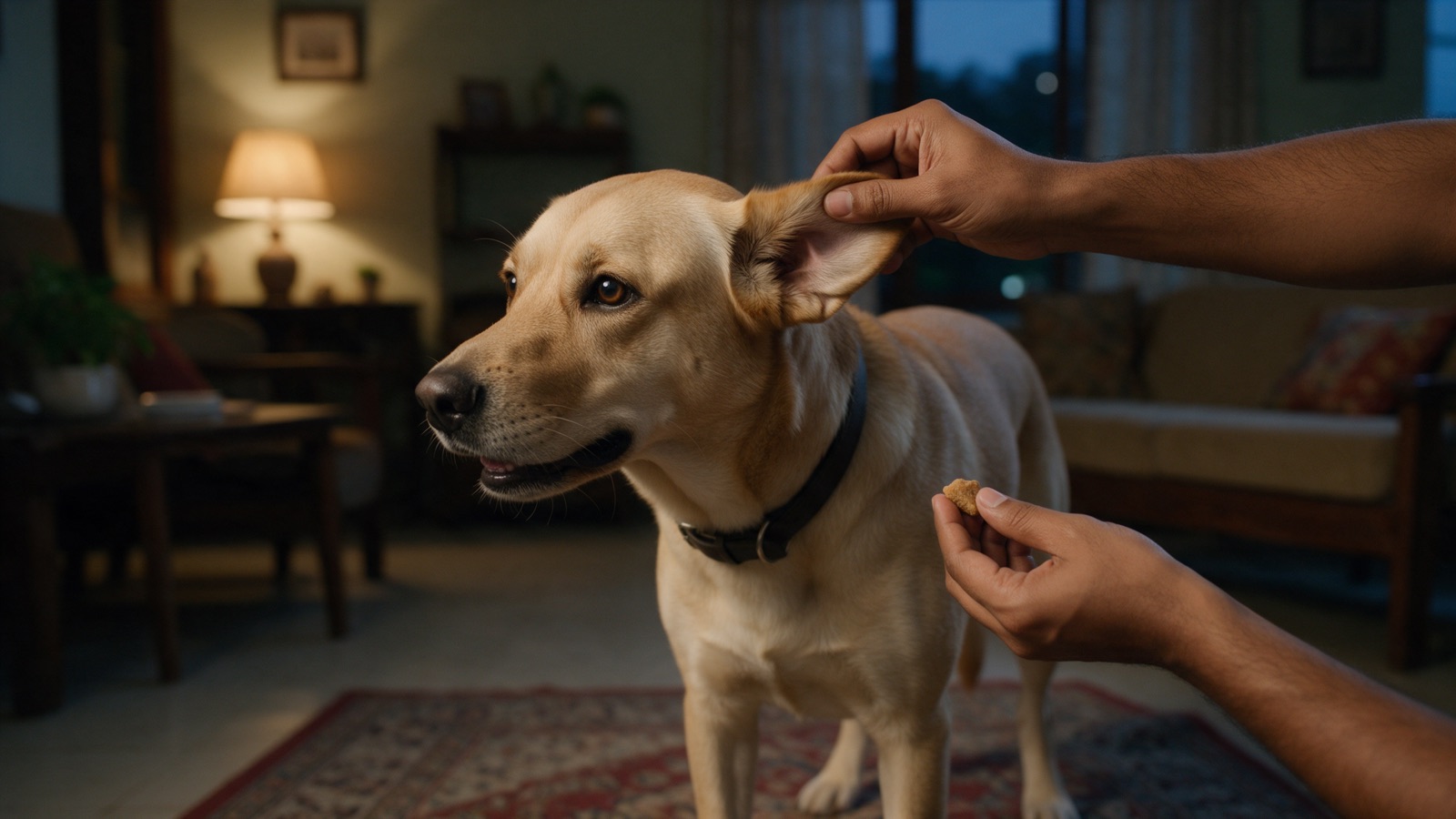
Before you go, do our 10-minute home check and jot down anything odd. Bring notes on appetite, water intake, stool (the poop chart helps you describe it), energy and behaviour. Short videos of a limp, cough or strange episode are gold for your vet.
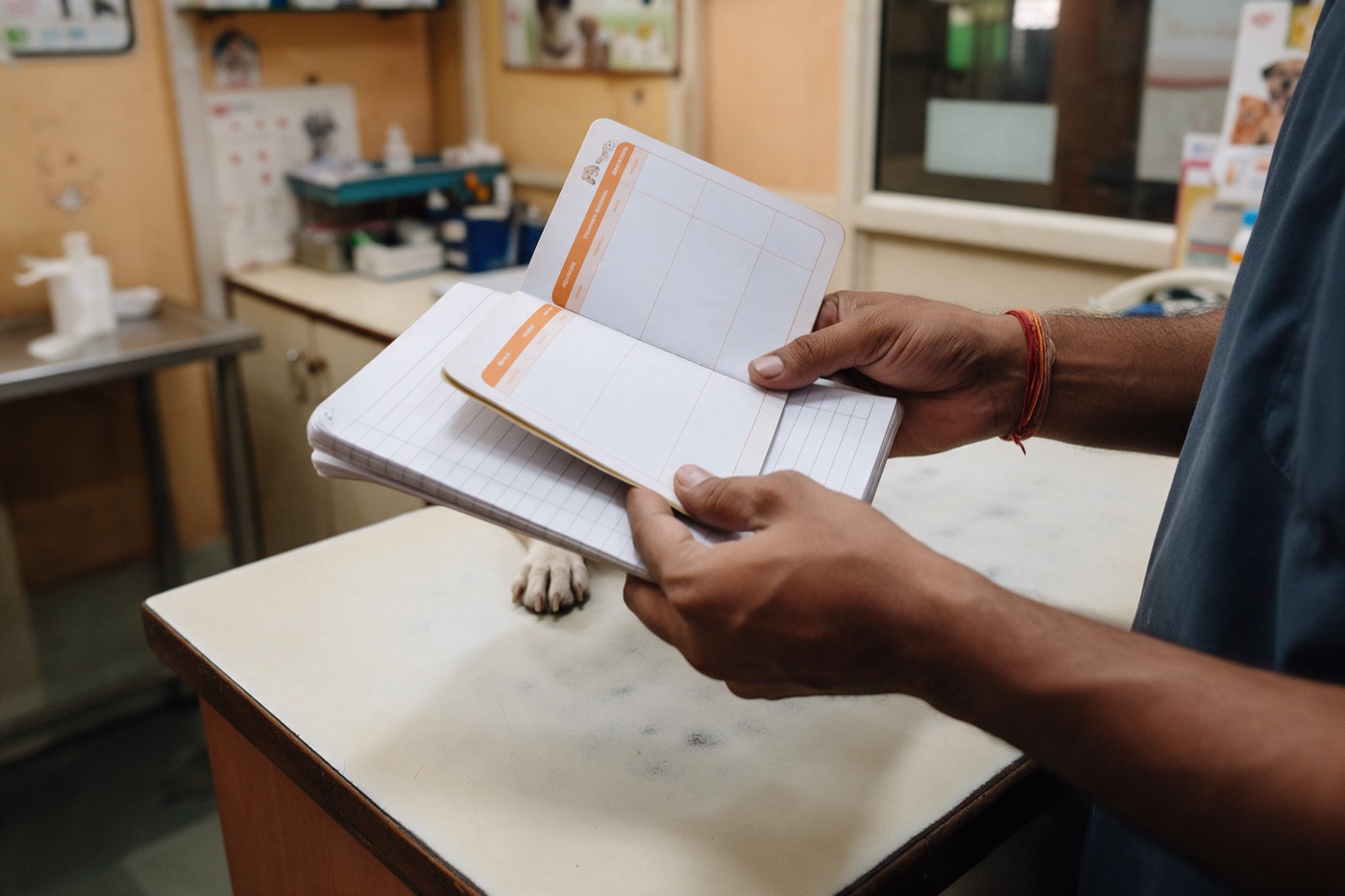
2. Review the vaccination card
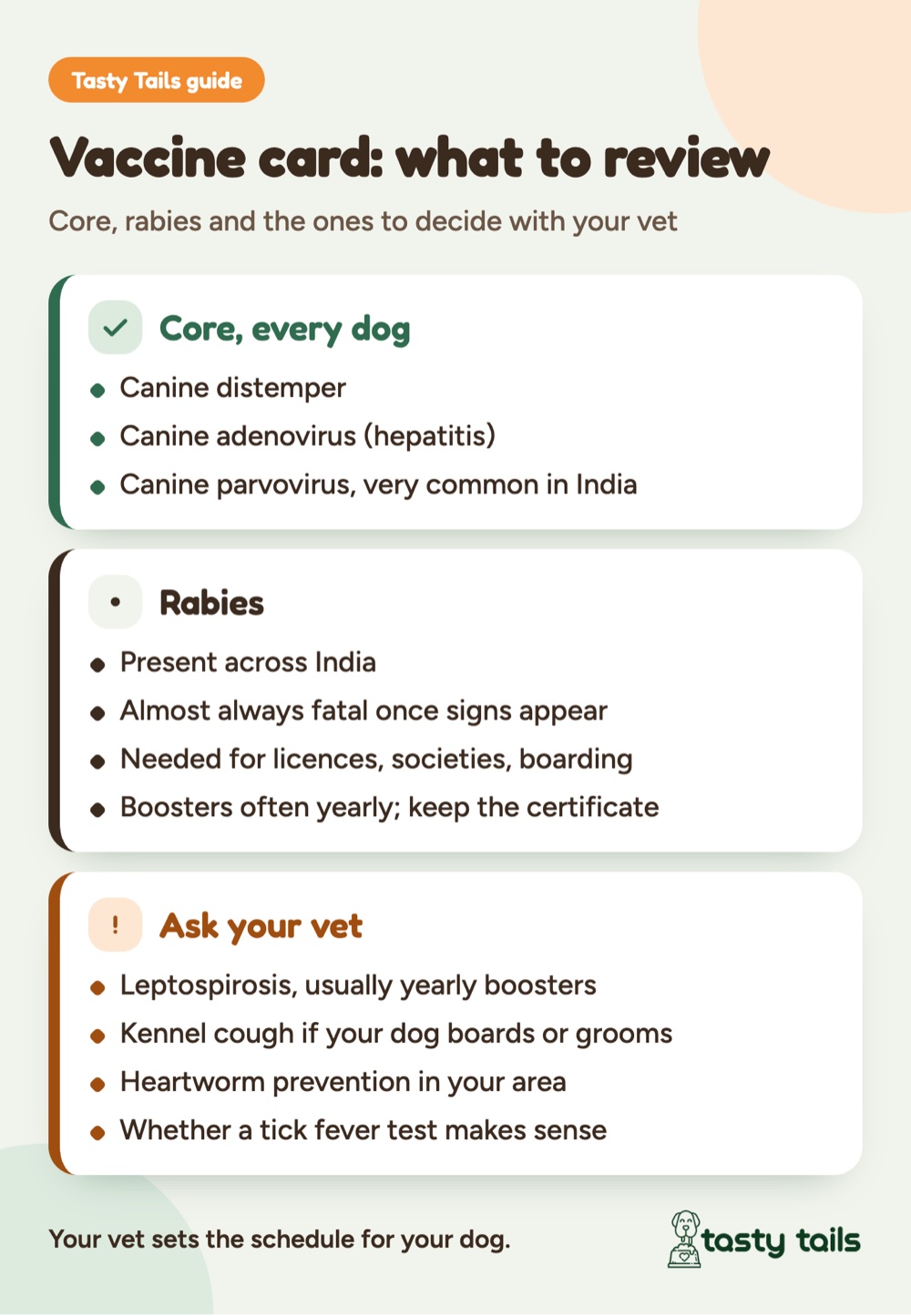
Dig out the card and take it along. Vaccine schedules are set by your vet, based on your dog's age, history, lifestyle and the products available. Here is the general picture, following the World Small Animal Veterinary Association (WSAVA) guidelines.
Core vaccines: every dog, everywhere
- Canine distemper, a serious viral disease of the lungs, gut and nervous system.
- Canine adenovirus, which protects against infectious canine hepatitis.
- Canine parvovirus, which causes severe, often fatal vomiting and diarrhoea in puppies and is very common in India.
Rabies: essential in India
Rabies is present across India, is almost always fatal once signs appear, and can pass to people. WSAVA treats rabies vaccination as core wherever the disease exists. In practice it is also the vaccine you will be asked for: pet licensing, many housing societies, boarding kennels, groomers and travel all need proof. Most vets in India advise regular rabies boosters, often yearly, depending on the vaccine used and local rules. Keep the certificate safe.
Non-core vaccines: decided with your vet
- Leptospirosis, a bacterial disease spread through the urine of rats and other animals, often via puddles and flooded streets after the rains. It can damage the kidneys and liver, and it can infect people. It is technically non-core, but WSAVA's 2024 guidelines highly recommend it for all dogs in regions where the disease is endemic, which includes much of India, so many Bangalore vets include it. Its protection is shorter-lived, so boosters are usually yearly.
- Kennel cough (Bordetella and parainfluenza), worth discussing if your dog boards, goes to daycare, grooming salons or shows.
In India, vaccines often come as combination shots described as "7-in-1" or "9-in-1". Ask your vet what is in yours, and why.
Puppies and boosters, in general terms
Puppies get a series of core vaccines, usually starting at six to eight weeks and repeated every few weeks until around 16 weeks of age or a little later, because antibodies from the mother can block early doses. A booster follows somewhere between six months and a year. After that, adult dogs get boosters at intervals your vet recommends: core vaccines often every few years, rabies and leptospirosis more often. Until the puppy series is complete, ask your vet which places are safe to visit, and how to keep socialising your puppy without risking parvovirus.
After a vaccine
Mild tiredness, a sore spot at the injection site or a slightly lower appetite for a day is common. Call your vet straight away, or go to a 24-hour vet, if you see facial swelling, hives, repeated vomiting, breathing difficulty, or collapse, usually within minutes to hours of the injection.
Preventive care is the closest thing pet health has to compound interest.
3. Deworming
Roundworms, hookworms and tapeworms are common in Indian dogs, and some can infect people, especially children. Puppies need frequent deworming in their first months, then less often as they grow. Adult dogs are usually dewormed every few months, more often if they scavenge, hunt, live with children or share space with street dogs. Your vet will choose the product and the schedule; do not use human deworming tablets. If you are unsure whether your dog has worms, a stool test helps.
4. Ticks, fleas and other parasites
Bangalore's post-monsoon months are peak tick season. Ticks spread serious diseases such as ehrlichiosis and babesiosis; see our post on tick fever in dogs. Ask your vet:
- Which tick and flea prevention suits your dog, and how often to use it.
- Whether a tick fever blood test makes sense, especially if your dog has had ticks recently.
- Whether heartworm prevention is recommended in your area. Heartworm is spread by mosquitoes and is found in parts of India.
5. Teeth, weight and the rest
- Teeth. Most adult dogs have some dental disease. Ask whether your dog needs a professional clean, and how to start brushing at home.
- Weight. Ask for your dog's ideal weight and body condition score, and compare with our body condition guide.
- Pain. If your dog has slowed down or become grumpy, mention it. Our post on signs of pain lists what to look for.
- Diet. Tell your vet exactly what your dog eats, including treats and table scraps.
- ID. Ask about a microchip, and check the tag on the collar shows a working phone number.
- Sterilisation, if it has not been done, and the right timing for your dog.
6. Plan around Diwali
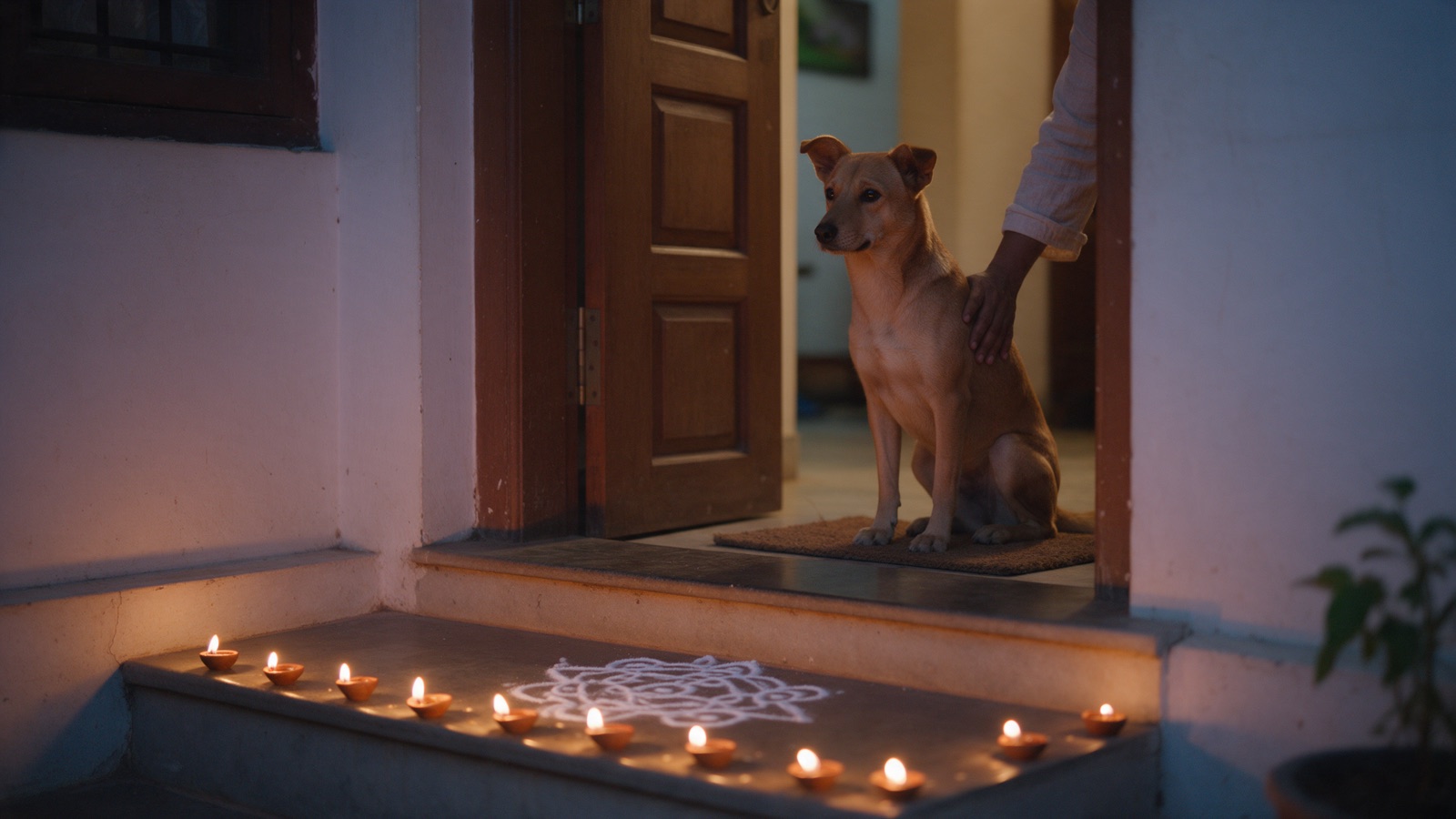
A little timing helps. If a vaccine is due, try to get it done a few days before the festival so your dog is not feeling off on the loudest nights, but do not delay an overdue rabies or puppy vaccine just to avoid the dates. If your dog panics at firecrackers, this check-up is the right moment to ask about calming options. Many vets need to see the dog first, and a last-minute call on Diwali night rarely works. Our firecracker anxiety toolkit and Diwali safety guide cover the rest.
A treat for the ride home
Vet visits go better when they end well. Pack a few small rewards: our Chicken & Oats Cookies are made from just chicken and oats, and easy to break into small pieces for the waiting room. Homemade Chicken Jerky is air-dried chicken breast and a high-value reward for the nervous ones. If your dog is a little quiet after vaccines, a splash of Fresh Chicken Broth, made with no salt, onion or garlic, over dinner can help. If your vet has asked for fasting before blood tests or a procedure, keep the treats for afterwards.
Questions about vet check-ups, vaccines and deworming
Which vaccines does my dog need in India?
Every dog needs the core vaccines (distemper, adenovirus and parvovirus) and rabies, which is both legally and practically essential in India. Leptospirosis and kennel cough are decided with your vet based on where your dog lives and goes; leptospirosis is widely recommended in India.
How often should my dog be vaccinated?
Puppies get a series of vaccines until about 16 weeks, then a booster between six months and a year. Adult booster intervals depend on the vaccine, the product and local rules, so follow the schedule your vet sets.
How often should I deworm my adult dog?
Many vets suggest every few months for adult dogs, and more often for puppies or dogs who scavenge or live with small children. Your vet will set the right schedule and product.
Does my indoor dog still need a yearly check-up?
Yes. Many problems, such as dental disease, weight gain, heart murmurs and early kidney changes, develop without obvious signs. An annual exam catches them while they are easier to treat.
Sources
Rewards for a brave vet visit
Small, simple treats to pack for the waiting room, and a plain broth for a quiet evening after vaccines.

Quick Bites For dogs & cats
Chicken & Oats Cookies


- Protein
- Healthy fats
- Fibre
- Slow-release energy
₹290 250 g




See the full menu or ask our nutritionist what suits your pet.
Was this helpful?
Share with a pet parent