Senior dog health: signs of ageing to watch and how to adjust food, walks and festivals
Grey muzzles, stiff mornings and cloudy eyes: some changes are just age, many are treatable. What to watch in an older dog, when to see the vet, and how to adjust food, walks and festivals.
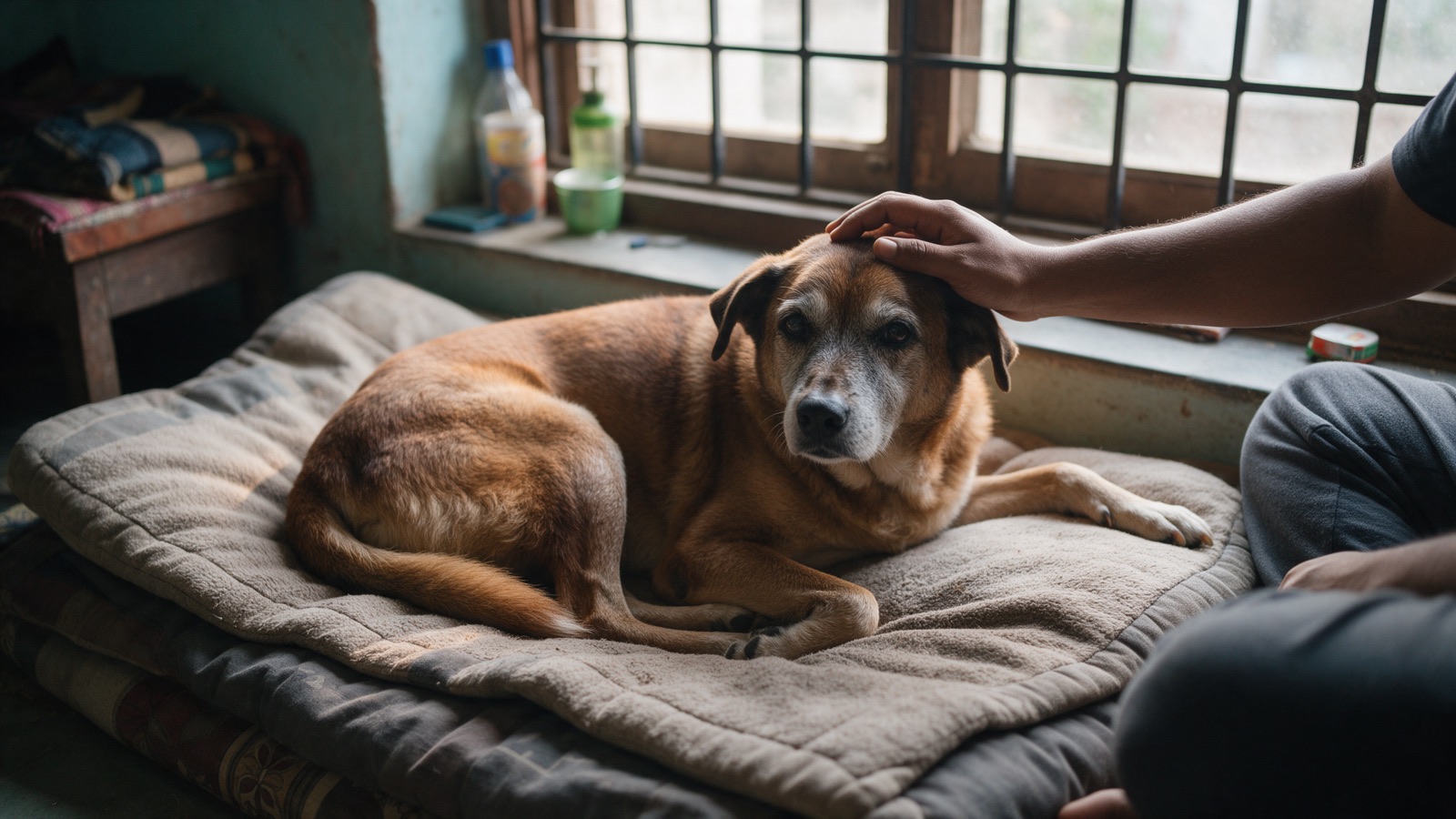
One day you notice the grey around the muzzle. Then the walk to the corner chai stall takes a little longer, and the jump onto the sofa needs a run-up. Ageing in dogs creeps up quietly, and because it is gradual, it is easy to file every change under "he's just getting old".
Some changes really are just age. Many others are treatable conditions that happen to be more common in older dogs. This guide covers what to watch for, when to call the vet, and how to adjust food, walks and the festival season for a senior dog.
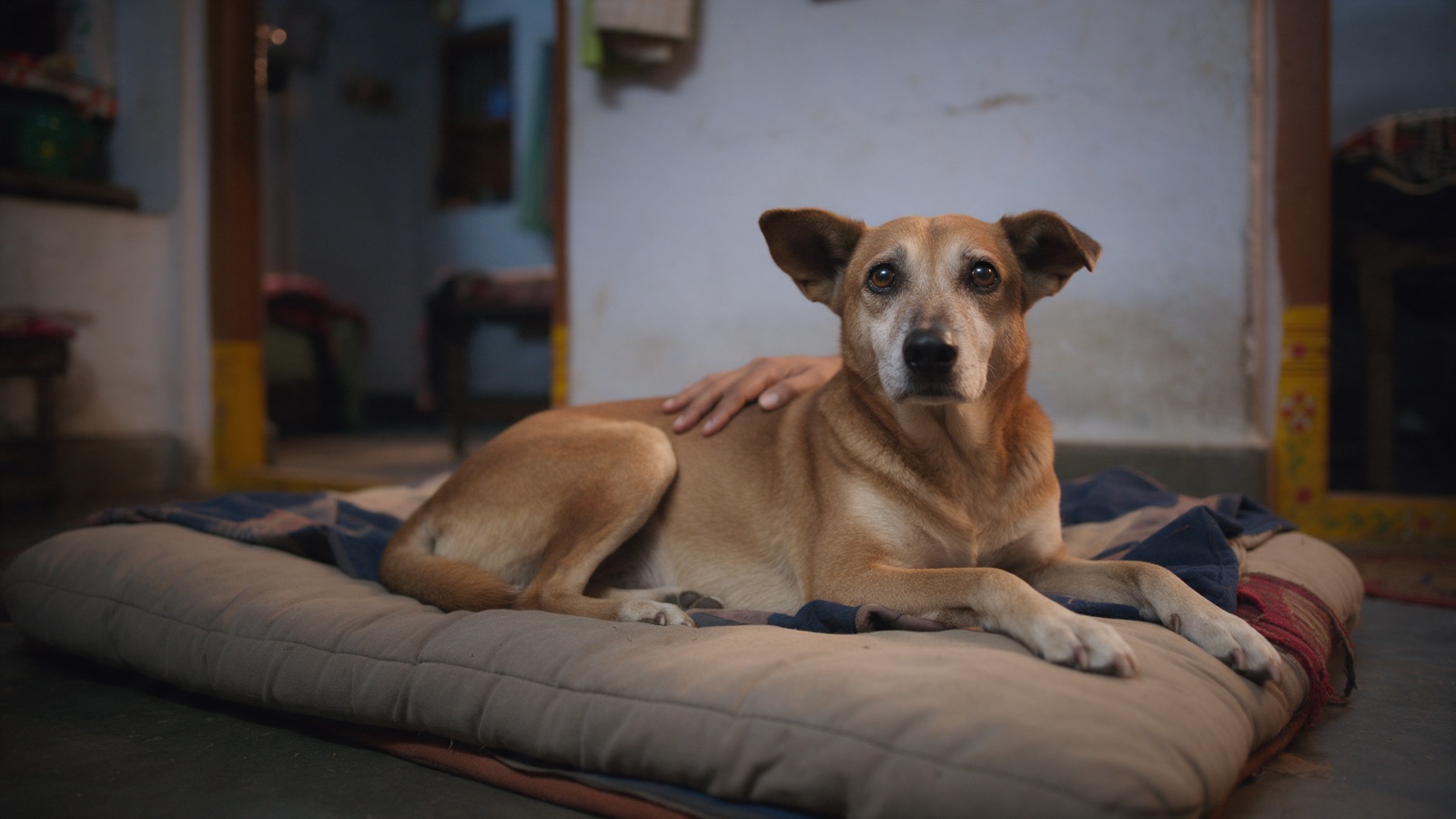
A grey muzzle is a badge of honour; a slower walk is a clue worth sharing with your vet.
When is a dog "senior"?
It depends on size. Giant breeds such as Great Danes and Mastiffs may be senior by six or seven, large breeds like Labradors and German Shepherds around seven or eight, and small dogs and many Indian breeds often not until nine or ten. A common rule of thumb is that a dog enters its senior years in the last quarter of its expected lifespan. Your vet can tell you where your dog sits.
Most vets suggest moving senior dogs to a check-up every six months rather than once a year, often with blood and urine tests. Problems found early are usually easier and cheaper to manage.
Signs of ageing to watch
Movement and comfort
- Stiffness after rest that eases once moving.
- Reluctance with stairs, car rides or jumping up.
- Slipping on tiled or marble floors.
- Muscle loss over the back legs and spine, even if the belly is round.
These are often signs of arthritis, which is painful but very manageable. Our post on signs your dog is in pain covers the subtler clues, and why you must never give human painkillers.
Weight and appetite
- Weight gain, from slower metabolism and less activity.
- Weight loss without trying, which always needs a vet check: kidney disease, dental pain, diabetes, thyroid problems and cancers can all start this way.
- Pickiness, dropping food, or chewing on one side, often a dental problem.
A monthly body condition score check catches both trends early.
Drinking and toileting
- Drinking noticeably more and peeing more, including at night. This can point to kidney disease, diabetes, Cushing's disease or a urinary infection, and needs a vet visit with a urine sample if you can collect one.
- Leaking urine while asleep.
- Changes in stool. Our dog poop chart helps you describe what you see.
Eyes, ears and mouth
- A bluish-grey haze in the eyes is often nuclear sclerosis, a normal ageing change that barely affects vision. A whiter, denser cloudiness may be a cataract. Let your vet tell them apart.
- Not hearing you come home, or sleeping more deeply.
- Bad breath, red gums, loose or broken teeth. Dental disease is extremely common in older dogs and is a source of hidden pain.
Lumps and bumps
Many lumps in older dogs are harmless fatty growths, but you cannot tell by feel. Show your vet any new lump, and any lump that grows, changes or bleeds.
Mind and behaviour
Some older dogs develop canine cognitive dysfunction, a condition similar to dementia. Watch for:
- Seeming lost in familiar places, or getting stuck behind furniture.
- Pacing or barking at night and sleeping through the day.
- Forgetting house training.
- Less interest in family, or new clinginess and anxiety.
Pain, poor eyesight and hearing loss can mimic these signs, so a vet check comes first. Routine, gentle mental exercise and in some cases vet-prescribed treatment can help.
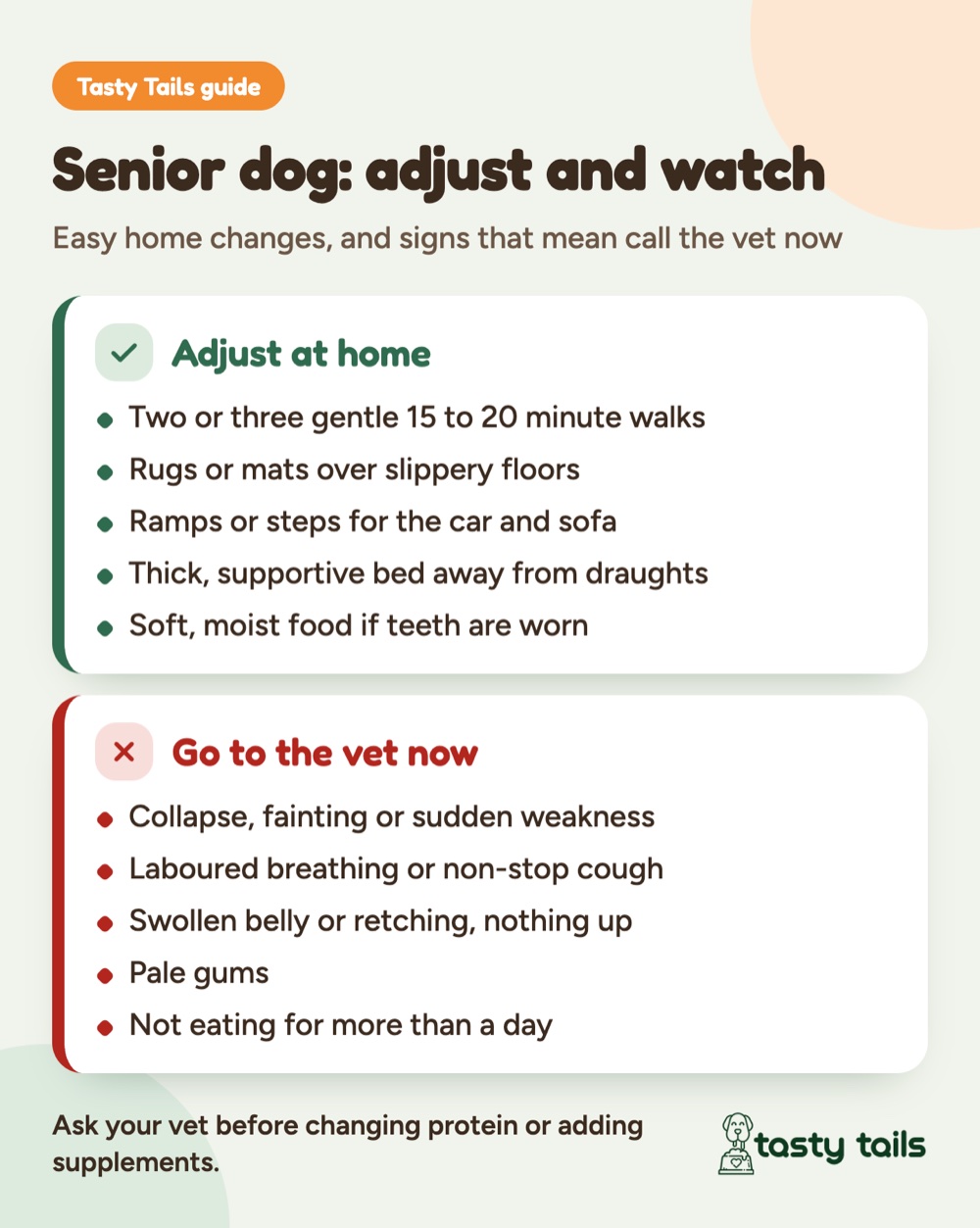
Go to the vet now
- Collapse, fainting, or sudden weakness.
- Laboured breathing, or coughing that will not stop, especially at rest or at night.
- A swollen belly, retching without bringing anything up, or repeated vomiting.
- Pale gums.
- Sudden loss of balance, head tilt, or circling.
- Not eating for more than a day, or not drinking.
- Straining to pee with nothing coming out.
Adjusting food for an older dog
- Do not cut protein on your own. Healthy older dogs need good-quality protein to hold on to muscle. Protein is only adjusted for specific conditions such as some stages of kidney disease, and that is a decision for your vet.
- Match calories to activity. A dog walking half as far needs fewer calories. Our calorie guide explains how to work out portions, and your vet can help you adjust.
- Make it easy to eat. Soft, moist food suits dogs with worn or missing teeth. Two or three smaller meals may sit better than one big one.
- Keep water close. Put an extra bowl near the bed, especially in homes with stairs.
- Go easy on treats, and break them into small pieces. Rich festive food is a common trigger for stomach upsets and pancreatitis at any age.
- Ask before adding supplements. Joint supplements and fish oil can be useful for some dogs, but they can interact with other medicines.
Do not cut protein on your own: healthy older dogs need it to hold on to muscle.
Adjusting walks and home life
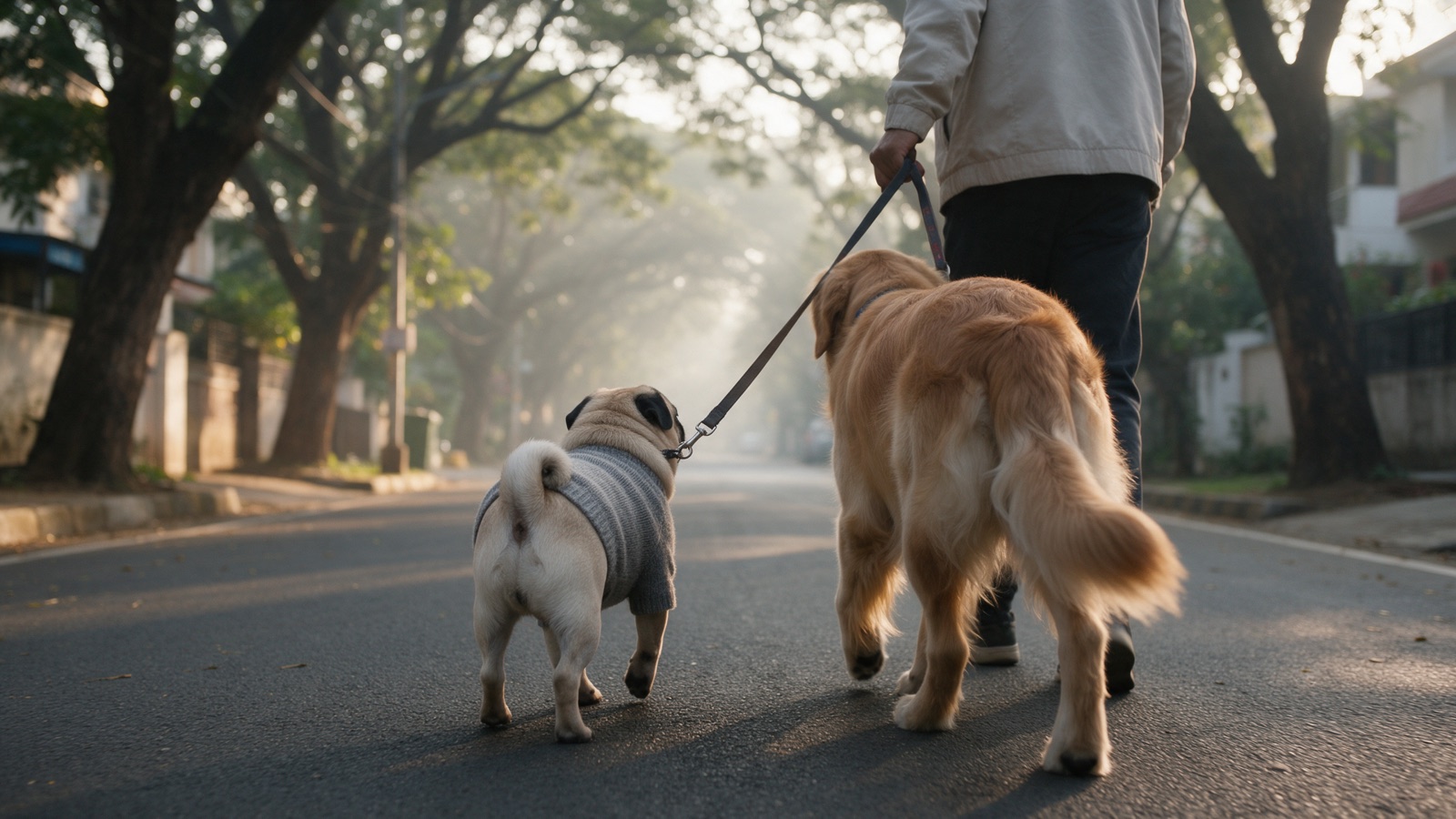
- Shorter, more frequent walks are kinder than one long march. Two or three gentle 15 to 20 minute outings often work well.
- Sniff walks count. Letting your dog explore smells at their own pace is real mental exercise.
- Avoid the hottest part of the day in summer, and on chilly winter mornings let stiff joints warm up indoors first.
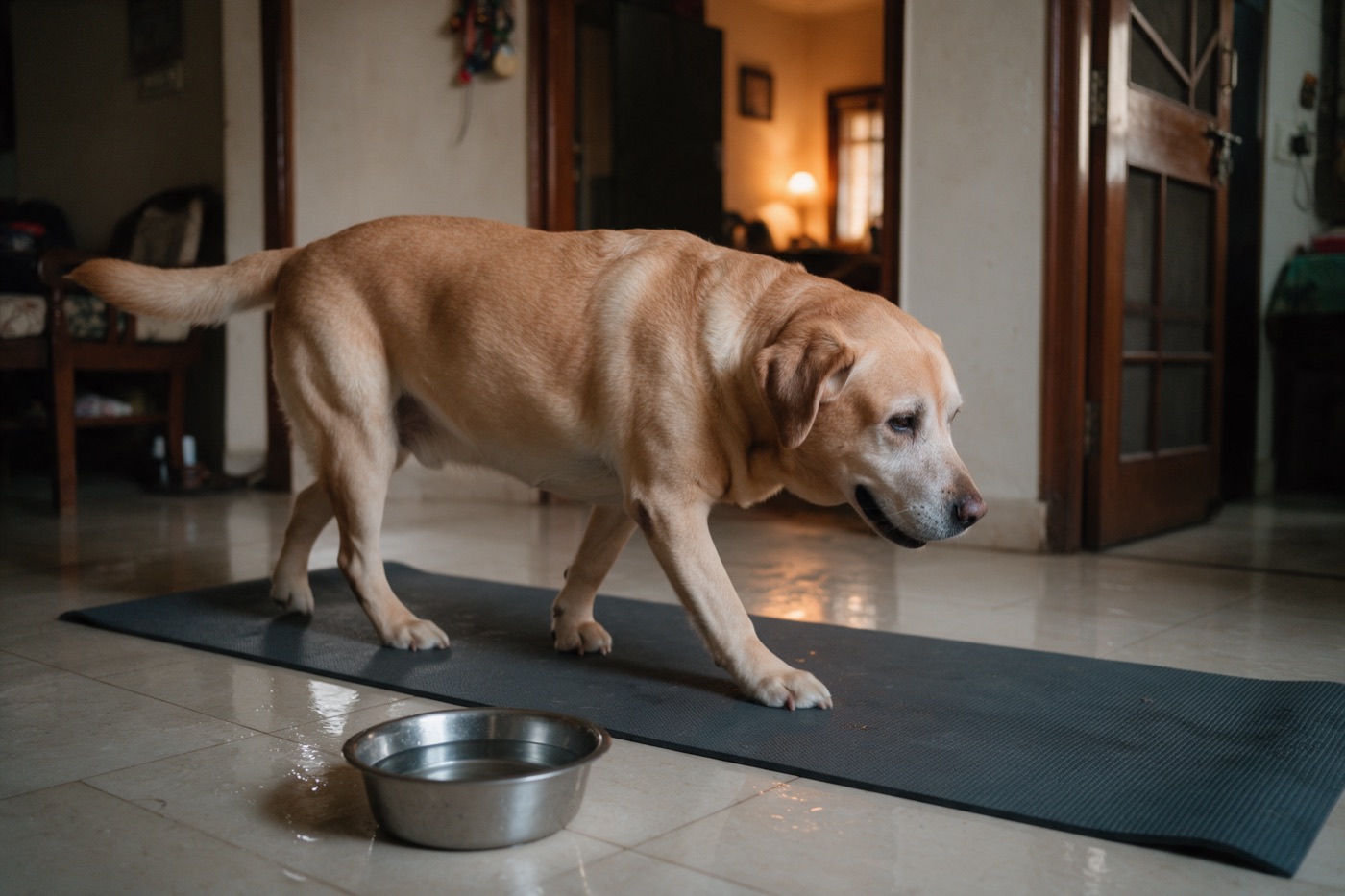
- Add grip. Rugs or yoga mats over slippery floors, especially near the bed, water bowl and doorway, prevent falls. Keep nails trimmed and the fur between paw pads short.
- Use ramps or steps for the car and sofa, and block off steep stairs.
- Provide a thick, supportive bed away from draughts.
Festivals with a senior dog
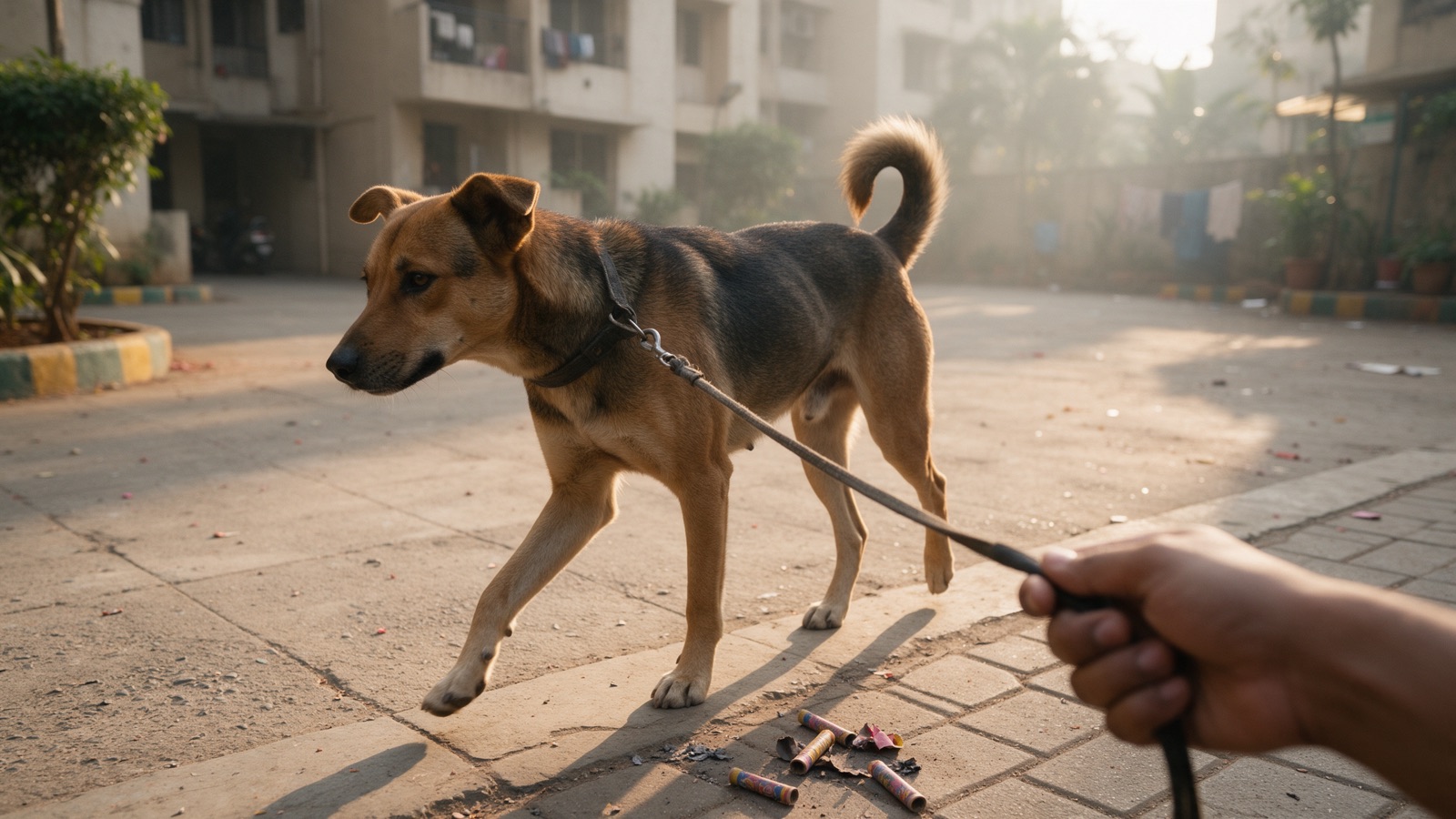
Diwali can be harder on older dogs. Some dogs with hearing loss barely notice crackers, but many seniors, especially those with cognitive changes, find noise, smoke, visitors and a changed routine more confusing than they did when young.
- Keep the daily routine steady: meals, walks and bedtime at the usual times, with the last walk done well before the crackers start.
- Set up a quiet room with their bed, water and a fan or radio for background noise. Our firecracker anxiety toolkit has more ideas, and it is worth asking your vet now if your dog has struggled in past years.
- Keep diyas and candles well out of reach. A dog with poor eyesight may bump into them.
- Ask guests not to feed mithai or snacks. Our guide to Diwali safety covers sweets and crackers.
- If you are travelling, think hard about whether boarding or a long car journey will suit an older dog, and book any needed vet visit before you go.
Gentle meals for older dogs
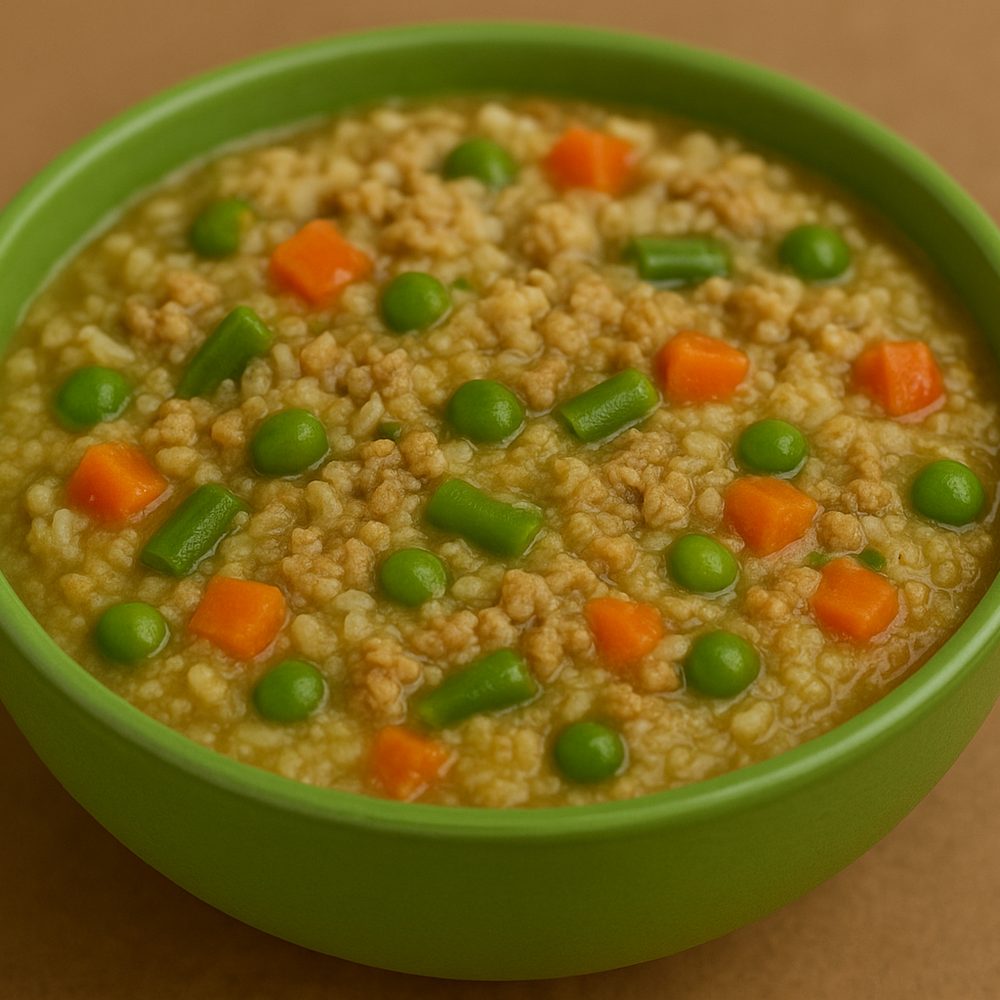
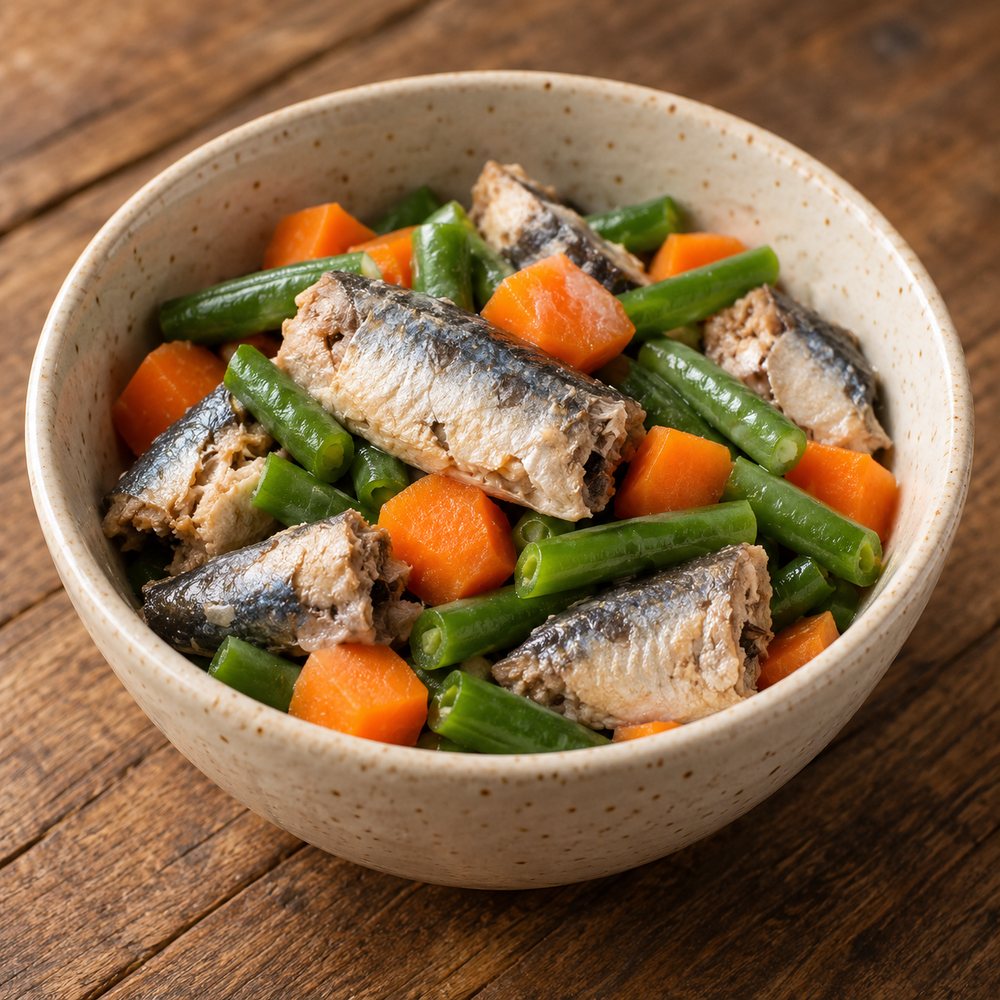
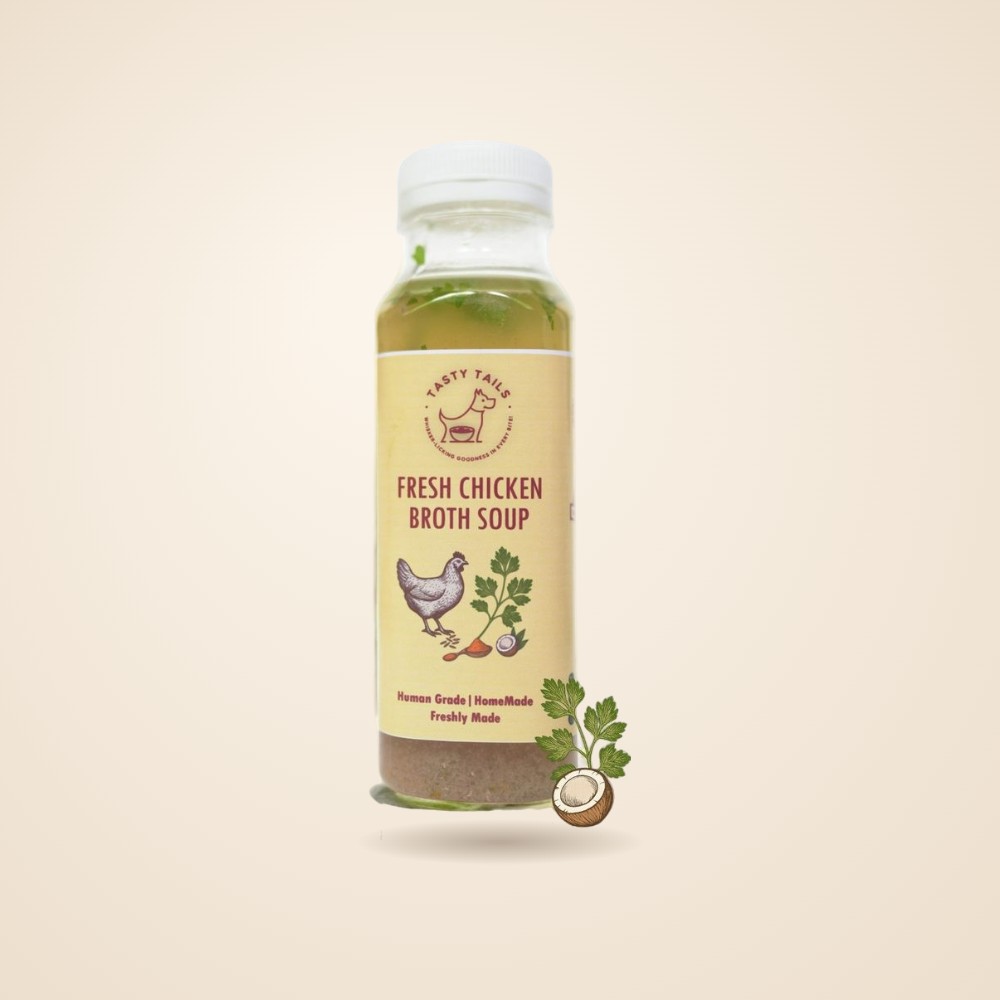
If your senior is finding meals harder work, our Chicken Keema Mix of minced chicken with rice, beans, peas and carrot is soft and easy to eat, which is why many people choose it for older and small dogs. The Fish & veggie bowl is gently boiled fish with steamed green beans and carrots, with no salt, oil or spices: a light option for quieter days. A little Fresh Chicken Broth over a meal adds moisture and smell for dogs whose appetite has dulled. If your dog is on a vet-prescribed diet for kidneys or another condition, check with your vet before changing anything.
Questions about senior dog health
At what age is my dog a senior?
Roughly the last quarter of their expected lifespan: around six or seven for giant breeds, seven or eight for large breeds, and nine or ten for many small dogs. Your vet can give a better estimate for your dog.
How often should a senior dog see the vet?
Most vets recommend a check-up every six months for older dogs, often with blood and urine tests, because many age-related problems develop quietly.
Should older dogs eat less protein?
Not usually. Healthy senior dogs need good-quality protein to keep their muscle. Only reduce it if your vet advises it for a specific condition, such as some stages of kidney disease.
Is my old dog's cloudy eye a cataract?
Often it is nuclear sclerosis, a normal bluish haze that does not much affect sight. Cataracts look whiter and denser and can affect vision, so ask your vet to check.
Sources
Soft, gentle meals for older dogs
Easy-to-eat fresh meals and a plain broth for seniors with tired teeth or a fading appetite.


Main Meals For dogs & cats
Fish & veggie bowl
-

-

-

-

-

- +2
- Protein
- Healthy fats
- Fibre
- Vitamins
₹495 Small · 250 g
See the full menu or ask our nutritionist what suits your pet.
Was this helpful?
Share with a pet parent