After the festivals: resetting your dog's digestion, weight and routine
From Navratri to Bhai Dooj, most dogs have had extra treats, late nights and missed walks. A calm, two-week plan to settle the stomach, trim the extra weight and get back to normal.
It has been a long season. Navratri, Dussehra, Dhanteras, Diwali and now Bhai Dooj, with guests, prasad, sweet boxes and leftovers at every turn. Even careful households find that a few pieces of this and a bite of that add up. Add late nights, skipped walks and the stress of crackers, and many dogs end the festival week with a sensitive stomach, a slightly tighter collar and a body clock that is all over the place.
None of this needs drastic action. A gentle, two-week reset usually does the job. Here is how to do it safely, and when to stop and call your vet instead.
After a month of festival exceptions, the kindest thing is a boring, predictable week.
First, clear the house
The easiest way to stop the festive snacking is to remove the temptation. Go through the house today:
- Finish, give away or lock up leftover mithai, chocolates, dry fruit boxes and namkeen. Raisins and chocolate in particular are dangerous for dogs.
- Check low tables, bedside drawers and guest rooms for forgotten sweets.
- Empty the bin of festive food scraps, and use a lid.
- Tell family members that the "festival exception" is over. If grandparents are visiting for Bhai Dooj, agree on what the dog may have.
If you suspect your dog has eaten chocolate, raisins or a large amount of rich food, read what to do in the next hour and call your vet.
Settling an upset stomach
Sudden changes in diet are a common cause of vomiting and loose stools in dogs. Rich, fatty, sugary or spicy festive food is a big change from a dog's normal bowl, and stress on its own can upset digestion too.
Mild tummy trouble
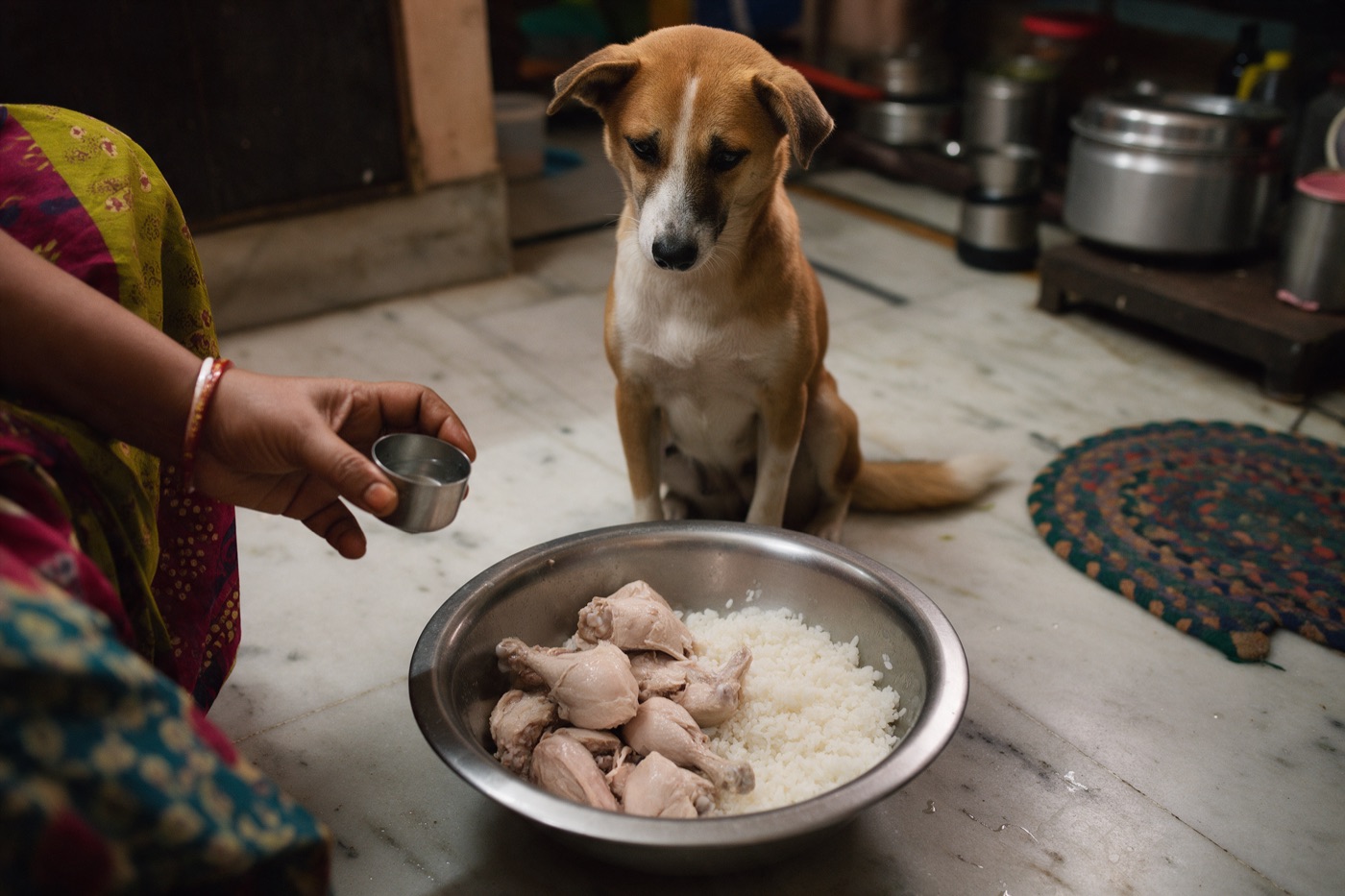
If your adult dog has had one or two loose stools or a single vomit, but is otherwise bright, drinking, interested in food and behaving normally, many vets suggest a short spell of plain, bland food. That usually means:
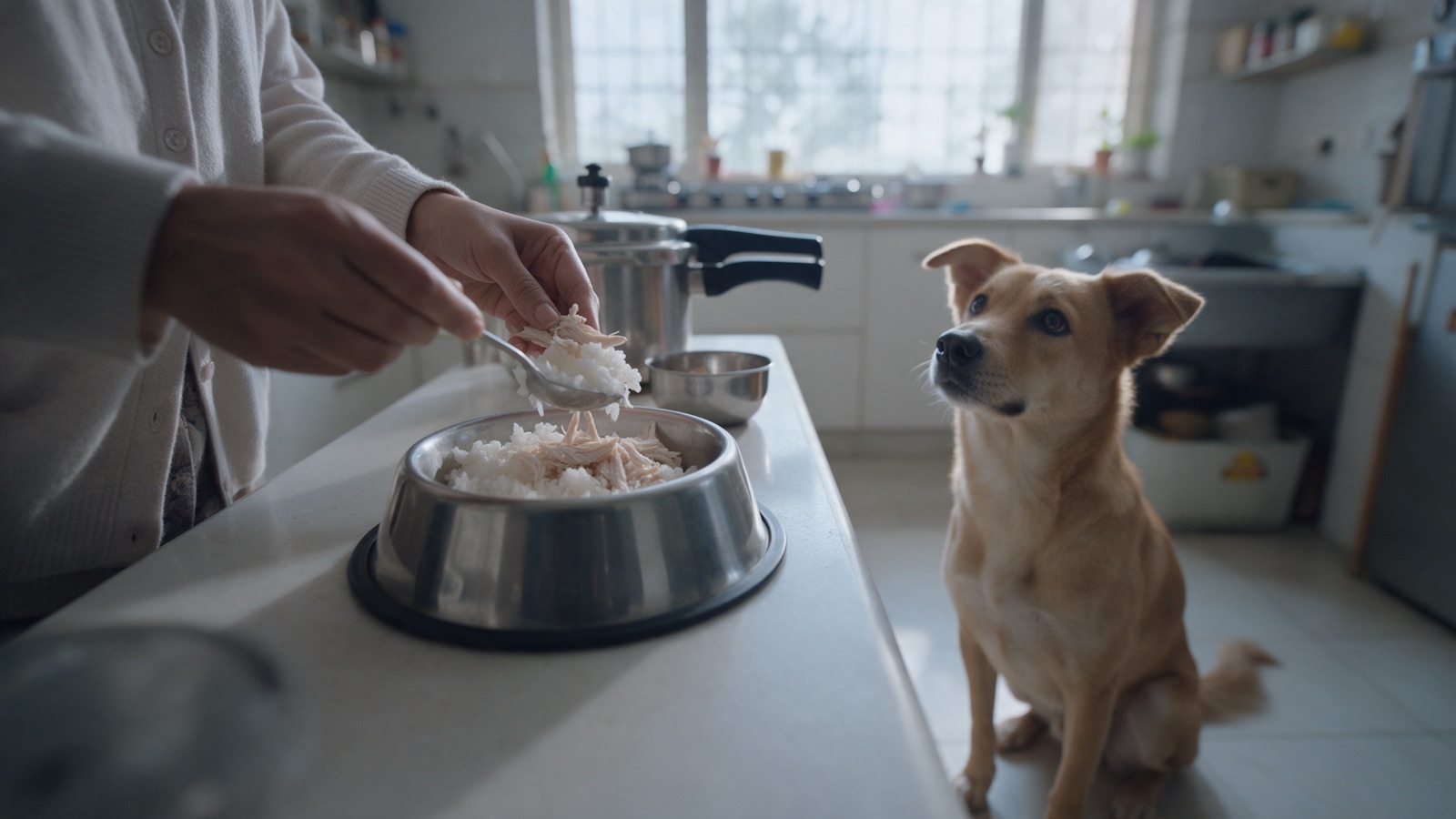
- Small, frequent meals of plain boiled chicken (no skin, no bones, no salt or spices) with plain cooked white rice, or a bland diet your vet recommends.
- Plenty of fresh water.
- No treats, chews or table food for a few days.
A bland diet is a short-term measure, usually a day or two, not a long-term meal plan. It is not complete and balanced, so it is not suitable for weeks. Do not fast your dog without your vet's advice, particularly puppies, small breeds, seniors and dogs with diabetes or other health conditions.
Going back to normal food
Once stools are firming up, mix the bland food with your dog's usual food over three to five days, gradually shifting the balance until you are back to the normal diet. Moving too fast can set things off again. Our 7-day transition plan shows how to mix food gradually.
For more on what normal and abnormal stools look like, our dog poop chart is a useful reference this week.
When to call your vet instead
Do not try to manage these at home. Call your vet, or go to a 24-hour clinic out of hours, if your dog has:
- Vomiting more than once or twice, or vomiting along with diarrhoea.
- Diarrhoea or vomiting that has not improved after a day, or sooner for puppies, seniors and small dogs.
- Blood in vomit or stool, or black, tarry stools.
- Lethargy, weakness, or unusual quietness.
- A painful, swollen or tight belly, or a hunched "praying" posture (front end down, back end up), which can be a sign of pancreatitis after fatty food.
- Repeated retching without bringing anything up.
- Not drinking, or not keeping water down.
- Pale gums, collapse, or any sign that your dog might have eaten something toxic.
Pancreatitis in particular is worth knowing about after the festivals. It can follow a single rich, fatty meal such as ghee-heavy sweets, fried snacks or meat trimmings, and it needs veterinary treatment.
Checking and trimming festive weight
A few weeks of extra treats can add weight quietly, especially in smaller dogs, where one laddoo is a large share of the day's calories. Do a hands-on check this week using the method in our body condition score guide: you should be able to feel the ribs easily under a thin layer, and see a waist from above.
If your dog has gained a little:
- Measure food. Use a kitchen scale or the same cup every time. Eyeballing portions is where most weight creeps in.
- Bring treats back down to no more than about 10% of daily calories. Our calorie guide helps you work out what that is for your dog.
- Use part of the daily food as rewards for training, so treats do not add on top.
- Do not cut food drastically. Small, steady changes are safer and stick better. If your dog has gained a lot or has a health condition, ask your vet for a target weight and plan.
- Weigh every two weeks at the vet clinic or on a home scale, and write it down.
Small, steady changes are safer and stick better than drastic cuts to food.
Getting the routine back
Dogs find predictable days reassuring, and many have had anything but over the past month.
- Fixed meal times. Go back to your usual times, even if your dog was fed early on Diwali.
- Walks back to normal length, built up over a week if your dog has been less active. Check the AQI first on smoky days, especially for flat-faced dogs and seniors.
- Bedtime and wake-up times back to normal, with the house quiet in the evenings.
- Short training sessions of five minutes, a couple of times a day, to give your dog's brain something easy and rewarding to do.
- Grooming and paw checks to catch any leftover irritation from cracker ash or dust.
If your dog is still frightened
Some dogs bounce back the morning after Diwali. Others stay jumpy for days or weeks: startling at a door slam, refusing to walk a certain route, or not wanting to go out after dark. Be patient. Walk routes your dog is happy with, keep evenings quiet, and let your dog set the pace.
If fear is not fading after a couple of weeks, or is getting worse, talk to your vet. This is also the best time to start planning for next year, while the memory is fresh. The sound training plan works best when you start months ahead, not two weeks before, and your vet can discuss whether medication might help for future festivals.
A simple two-week reset
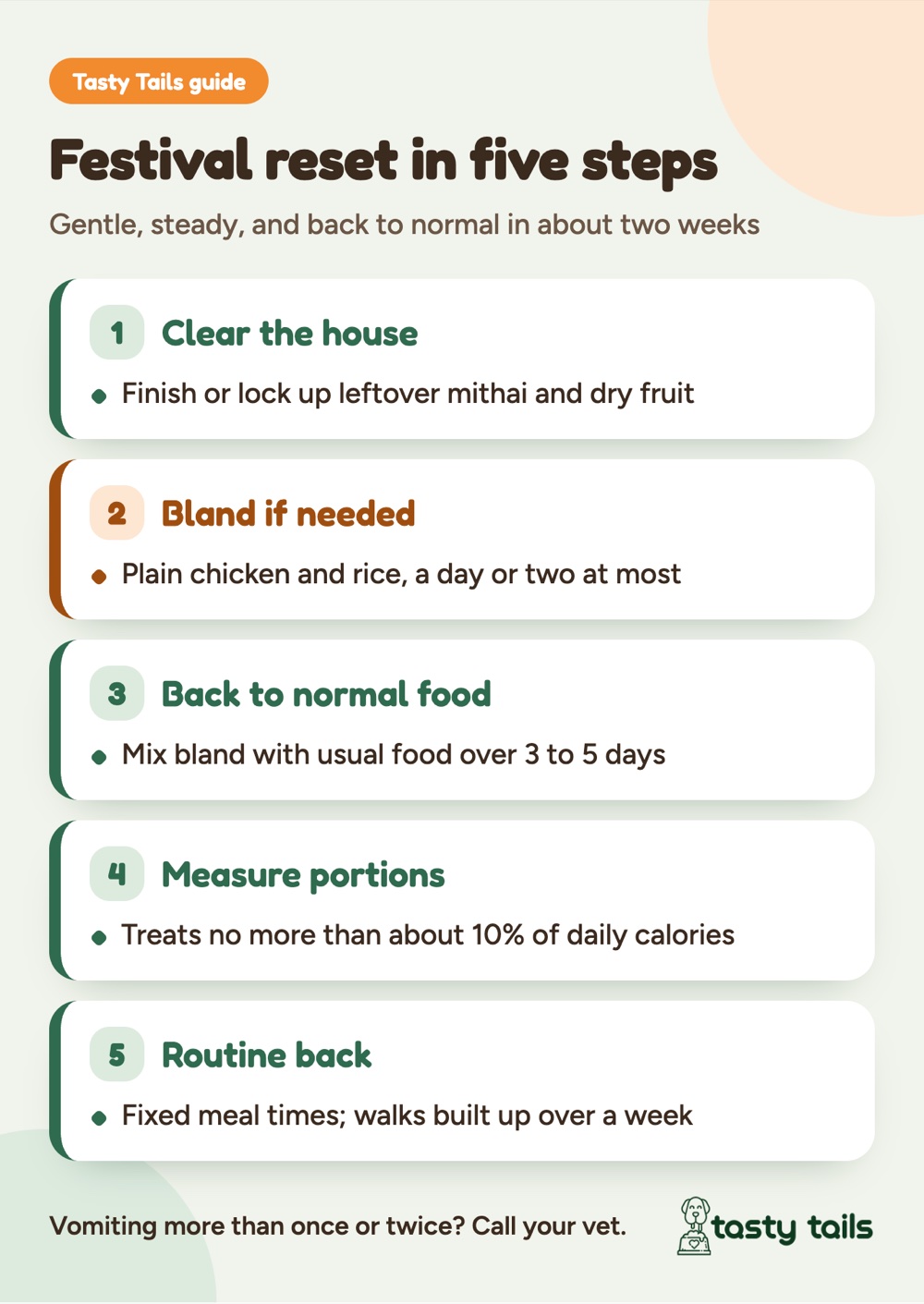
Days Food Activity 1 to 2 Normal food, or a short bland diet if the stomach is upset; no treats or table food Gentle walks, lots of rest 3 to 5 Mix back to normal food gradually; measure portions Walks back to normal length if your dog is well 6 to 14 Normal diet, treats within 10% of calories Full routine, short training sessions; weigh at the end of week twoFrom our kitchen for the reset
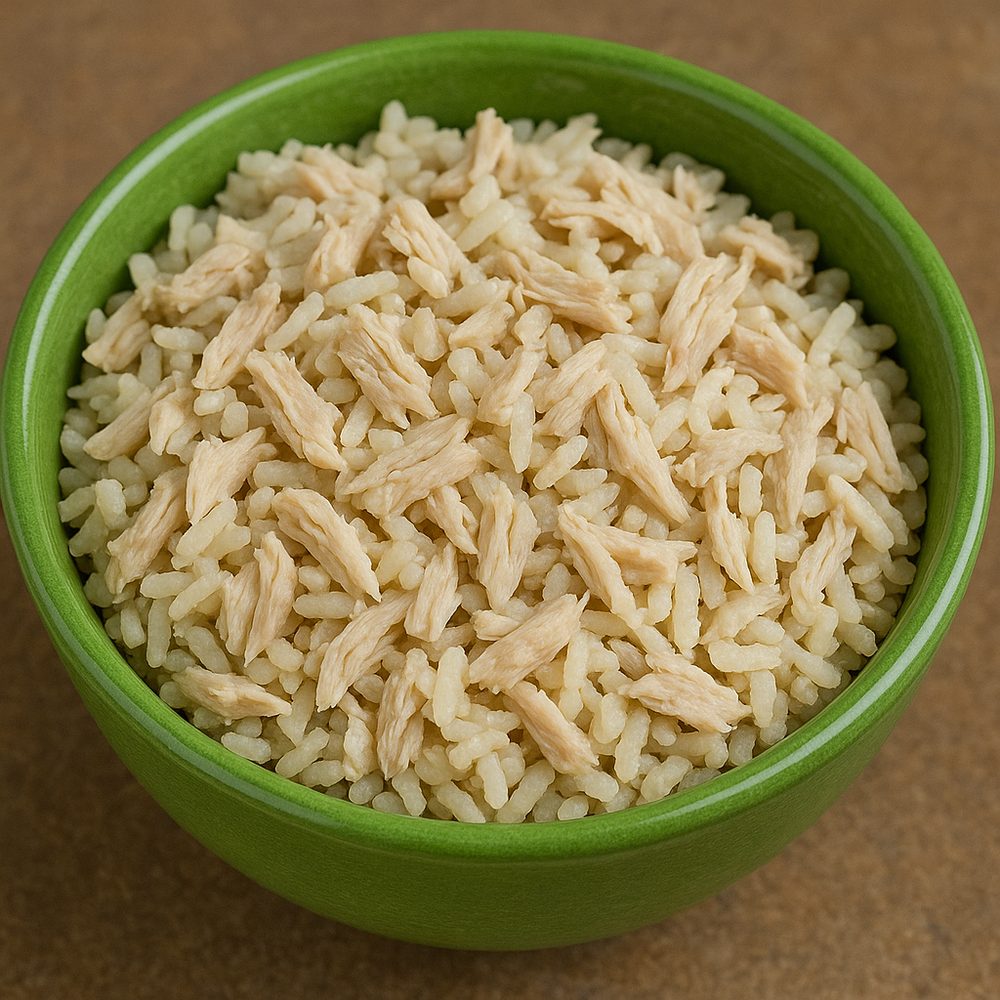
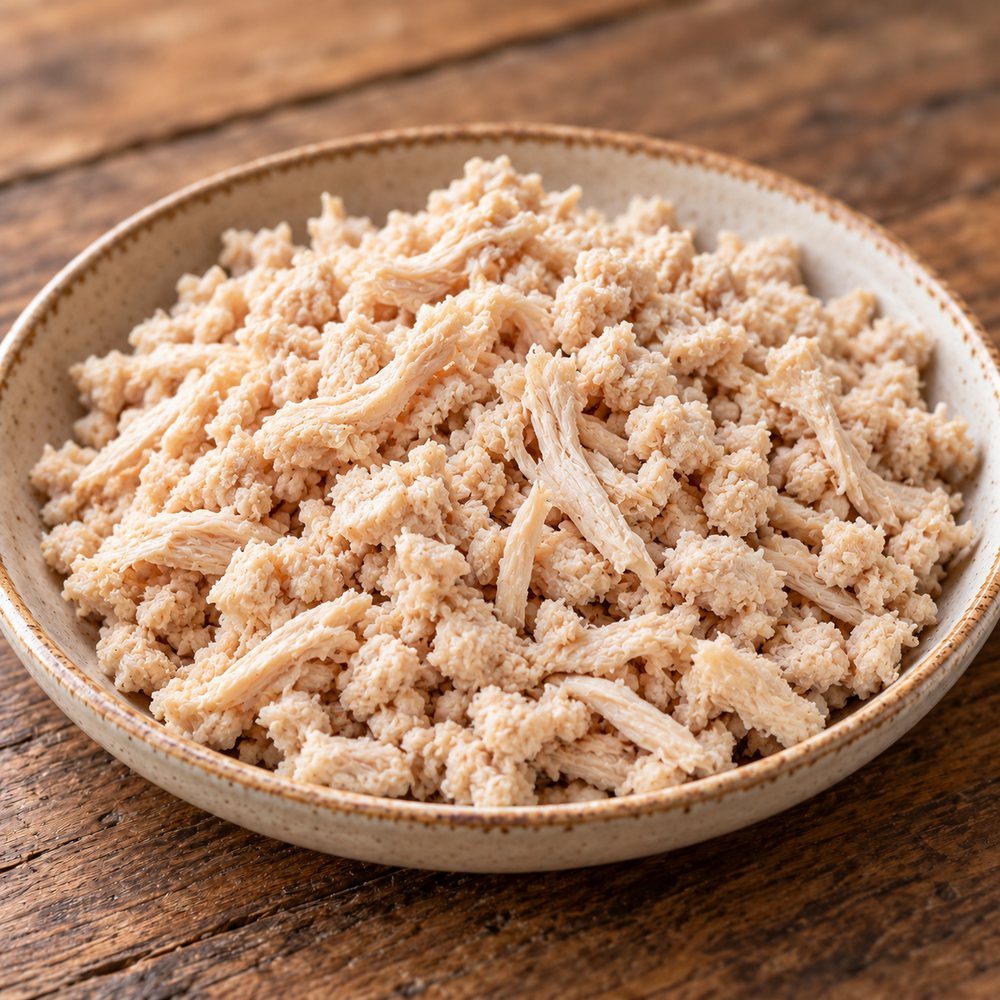
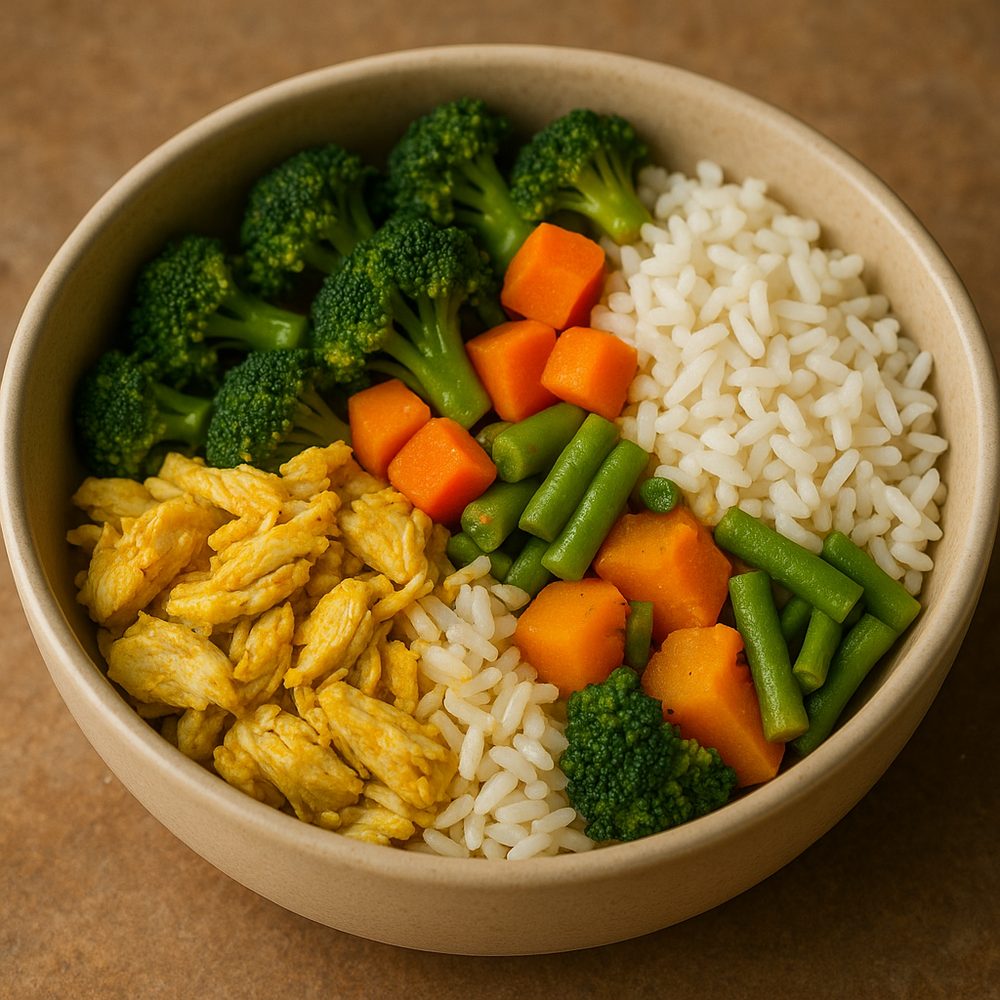
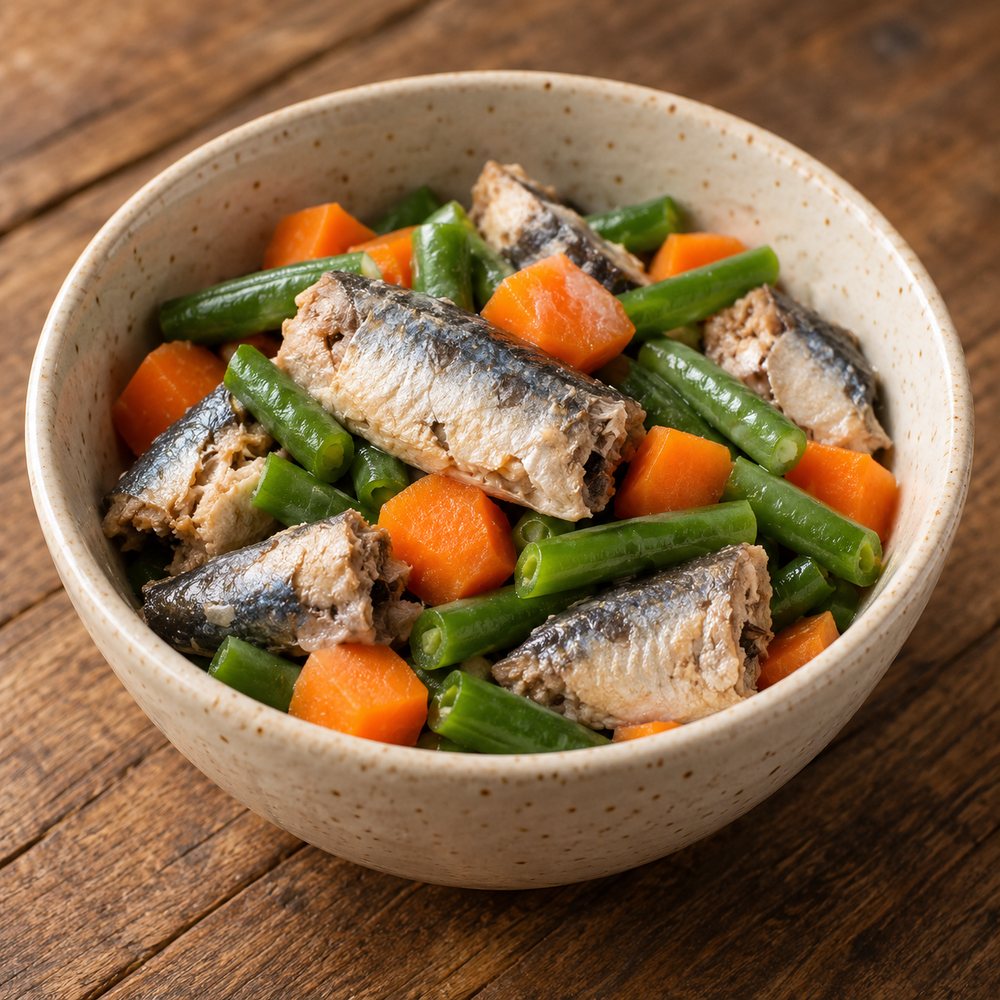
For the plain stage, Classic Combo is simply boiled chicken with your choice of white or brown rice, and Boiled Chicken Keema is plain boiled chicken mince with nothing added, which you can use for a bland diet when your vet suggests one. If chicken does not suit your dog, the Fish & veggie bowl is gently boiled fish with steamed green beans and carrots, with no salt, oil or spices. Once your dog is back on track, a balanced everyday bowl like Tummy Full (chicken, pumpkin, carrots, beans, broccoli and rice) makes it easy to serve consistent, measured portions.
Questions about resetting after the festivals
How long should my dog be on a bland diet?
Usually only a day or two, followed by a gradual return to normal food over a few days. A bland diet is not complete and balanced, so if your dog needs it for longer, ask your vet.
My dog has diarrhoea after Diwali. When should I see a vet?
See your vet if it lasts more than a day, if there is blood or black stool, if your dog is also vomiting, or if your dog is lethargic, in pain or not drinking. Puppies, seniors and small dogs should be seen sooner.
Can festive sweets cause pancreatitis in dogs?
Rich, fatty foods such as ghee-laden sweets and fried snacks are a known trigger for pancreatitis. Repeated vomiting, a painful belly, a hunched posture or lethargy need a vet promptly.
How fast should my dog lose festive weight?
Slowly. Measuring food and cutting treats usually brings small gains back down over a few weeks. For larger gains, ask your vet for a safe target and rate.
Sources
Simple bowls for a gentle reset
Plain, familiar meals with short ingredient lists make it easier to settle a dog's stomach and get portions back on track.
Main Meals For dogs & cats
Classic Combo
- Protein
- Healthy fats
- Slow-release energy
₹350 Medium · 350 g 2 sizes
Main Meals For dogs & cats
Tummy Full
-

-

-

-

-

- +4
- Protein
- Healthy fats
- Fibre
- Vitamins
₹350 Small · 250 g 4 sizes
Main Meals For dogs & cats
Fish & veggie bowl
-
-

-
-

-

- +2
- Protein
- Healthy fats
- Fibre
- Vitamins
₹495 Small · 250 g
See the full menu or ask our nutritionist what suits your pet.
Was this helpful?
Share with a pet parent