My dog ate mithai, chocolate or raisins: what to do in the next hour
The mithai box was on the coffee table and now it's empty. Here's a calm, step-by-step plan for the next hour, and how to tell a tummy upset from a real emergency.
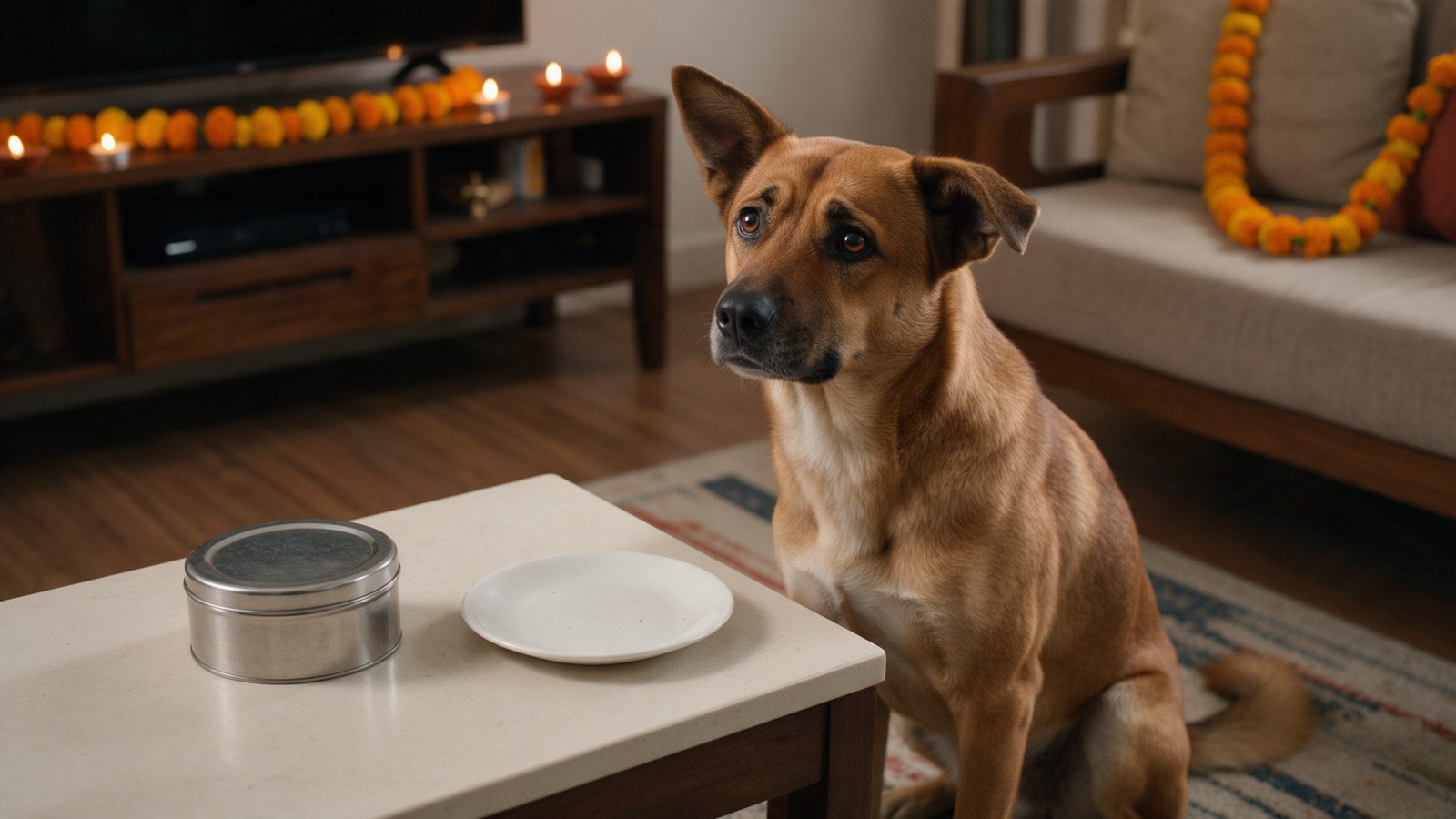
Every Diwali, vets across Bangalore see the same story: a box of mithai on a low table, a guest's bag on the floor, a dog who was very quiet for five minutes. If that's you right now, take a breath. Many sweet-eating incidents end with nothing worse than an upset stomach, but a few ingredients are genuine emergencies, and the first hour is when your vet can do the most.
Our Diwali safety guide explains which festive foods to keep away from pets. This post is for after it's happened: what to do, in order, and what to watch for.
The mithai box is not a snack drawer; the first hour after a raid is the one that counts.
The first 10 minutes: four steps
- Move your dog away from whatever is left, and pick up wrappers, foil and boxes so nothing else gets eaten.
- Work out what and how much. Check the box, the label, the shop's name and how many pieces are missing. Was it chocolate barfi? Kaju katli? A dry fruit box? Sugar-free? Keep the packaging or take photos.
- Note the time and your dog's approximate weight. Both change what your vet will advise.
- Call your vet or nearest 24-hour vet now, before symptoms appear. Many poisonings look fine for hours. If you can't reach a vet, a poison helpline such as the ASPCA Animal Poison Control Center can advise you and your vet (it's a paid service).
Don't make your dog vomit at home
This is the advice most often ignored. Please don't give salt, salt water, mustard, hydrogen peroxide or anything else to make your dog sick unless a vet has told you to, for your dog, on this occasion.
- Salt can cause dangerous salt poisoning, sometimes worse than what was eaten.
- Hydrogen peroxide can irritate and damage the stomach lining, and vomit can be inhaled into the lungs.
- Some dogs shouldn't vomit at all: those already drowsy, wobbly or fitting, flat-faced breeds, and dogs who swallowed foil, sharp pieces or caustic items.
At the clinic, vets use medicines that make vomiting quicker, safer and more complete. Decontamination works best soon after eating, which is exactly why the first hour matters.
Please do not make your dog vomit at home unless a vet tells you to.
What was in it? A guide to festive ingredients
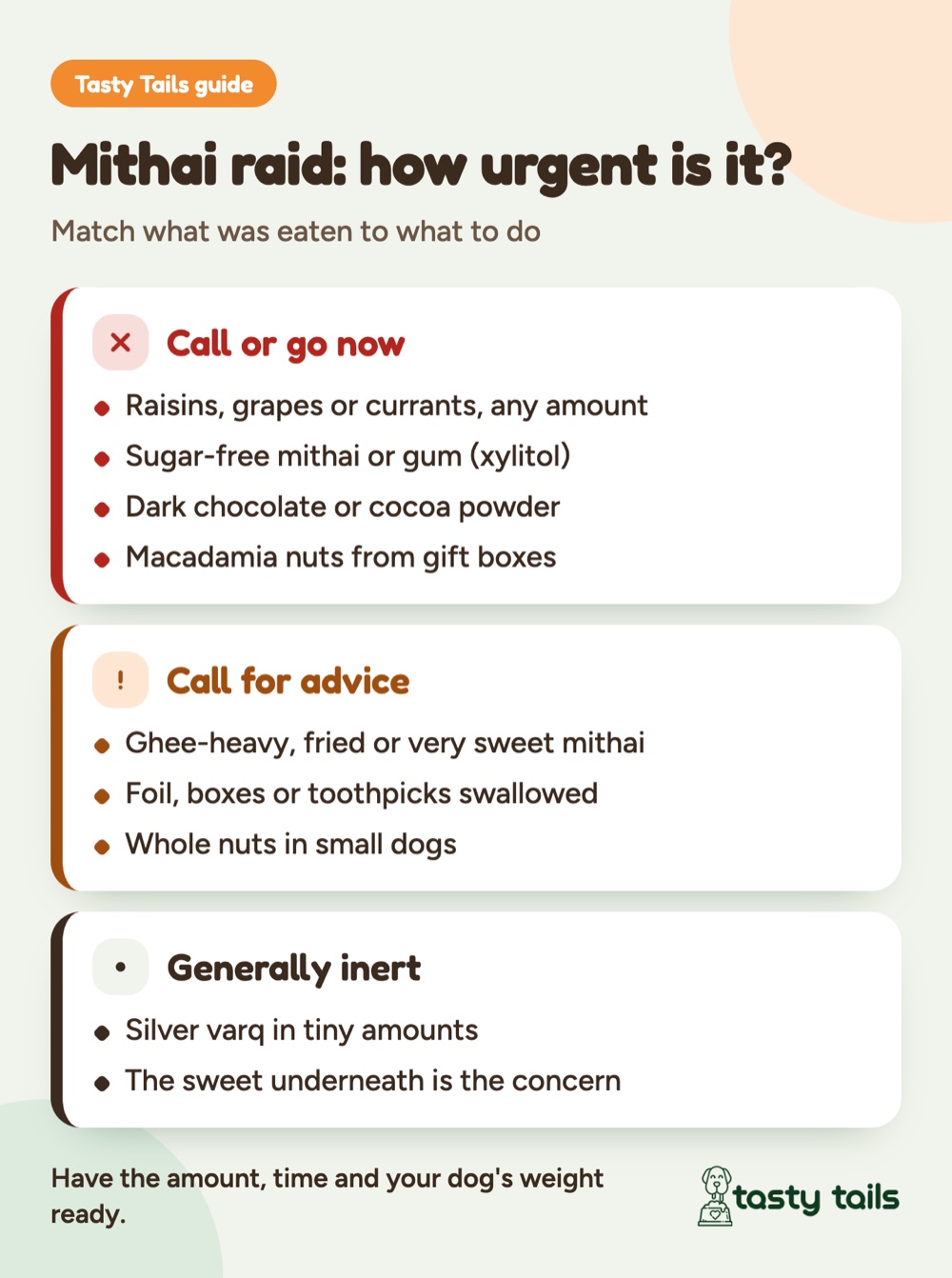
Ingredient Why it's a problem How urgent Chocolate, cocoa, chocolate barfi Theobromine and caffeine affect the heart and nerves Call your vet now; dark chocolate and cocoa powder are the most dangerous Raisins (kishmish), grapes, currants Can cause sudden kidney failure Call your vet now, even for a few Sugar-free mithai, chocolates, gum May contain xylitol, which crashes blood sugar and can damage the liver Emergency: go now Macadamia nuts in imported gift boxes Weakness, wobbliness, tremors, fever Call your vet now Ghee-heavy, fried or very sweet mithai Vomiting, diarrhoea, risk of pancreatitis Call your vet for advice; watch for 1–4 days Silver varq Generally inert in the tiny amounts on sweets The sweet underneath is the concern Foil, boxes, toothpicks Choking, gut blockage or injury Call your vetChocolate
Chocolate contains theobromine, which dogs break down very slowly. The darker the chocolate, the more theobromine: cocoa powder and dark or baking chocolate are far more dangerous than milk chocolate, and white chocolate contains very little (though its fat and sugar can still cause an upset). Small dogs are at higher risk from the same amount. Signs usually appear within 6 to 12 hours: vomiting, diarrhoea, restlessness, heavy panting, a racing heart, drinking and peeing more, tremors and, in severe cases, seizures. Your vet can work out from the type, amount and your dog's weight whether treatment is needed, so have those details ready.
Raisins and grapes
Kishmish turns up in kheer, halwa, panjiri, fruit cake and dry fruit boxes. In some dogs, raisins and grapes cause acute kidney failure, and there's no known safe amount: some dogs are badly affected by a few, others eat many and seem fine, and there's no way to tell in advance. Treat any amount as an emergency call. Vets usually induce vomiting and may give IV fluids and check kidney blood tests over the next few days. Early signs include vomiting, lethargy and loss of appetite, often within hours. (The Merck Veterinary Manual also lists tamarind in the same group, so keep imli chutney away too.)
Xylitol in sugar-free sweets
Sugar-free mithai, diabetic-friendly chocolates, chewing gum, mints and some peanut butters can contain xylitol (sometimes labelled birch sugar). In dogs it causes a rapid drop in blood sugar, often within an hour, and can lead to liver failure. Signs include weakness, wobbling, collapse and seizures. Don't wait for symptoms: go to the vet.
Nuts and dry fruits
Macadamia nuts, common in imported cookie and nut gift boxes, cause weakness (especially in the back legs), tremors and fever in dogs. Other nuts such as cashews, almonds and pistachios aren't toxic in the same way, but they're high in fat, often salted or sugar-coated, and whole nuts can cause choking or blockages in small dogs.
Ghee, sugar and fried sweets
Most ordinary mithai isn't poisonous, but a large amount of ghee, khoa, sugar and fried batter is a lot for a dog's gut. Expect possible vomiting and diarrhoea. The bigger worry is pancreatitis, a painful inflammation that can follow a fatty binge, usually within one to four days. Watch for repeated vomiting, a sore belly (some dogs stretch into a "praying" position), hunching, lethargy and refusing food.
Silver varq
The thin silver leaf on kaju katli and barfi is generally considered inert in the tiny amounts used. It's the sweet underneath, and the quantity eaten, that matters.
Go to the vet now if you see
- Any amount of raisins, grapes or a sugar-free product was eaten
- Dark chocolate or cocoa, or a large amount of any chocolate
- Repeated vomiting, or vomiting with blood
- Restlessness, racing heart, tremors, wobbliness, collapse or seizures
- A painful, swollen or tight belly, or retching without bringing anything up
- Very quiet, weak or not interested in food or water
If your vet says to watch at home
- Keep your dog quiet, indoors and supervised for the next 24 hours, longer for fatty foods.
- Offer water. Follow your vet's instructions about food; many will suggest a small, plain, low-fat meal or a short pause.
- Note any vomiting, diarrhoea, energy changes and how much they're drinking and peeing, and call back if anything changes.
Gentle food while the tummy settles
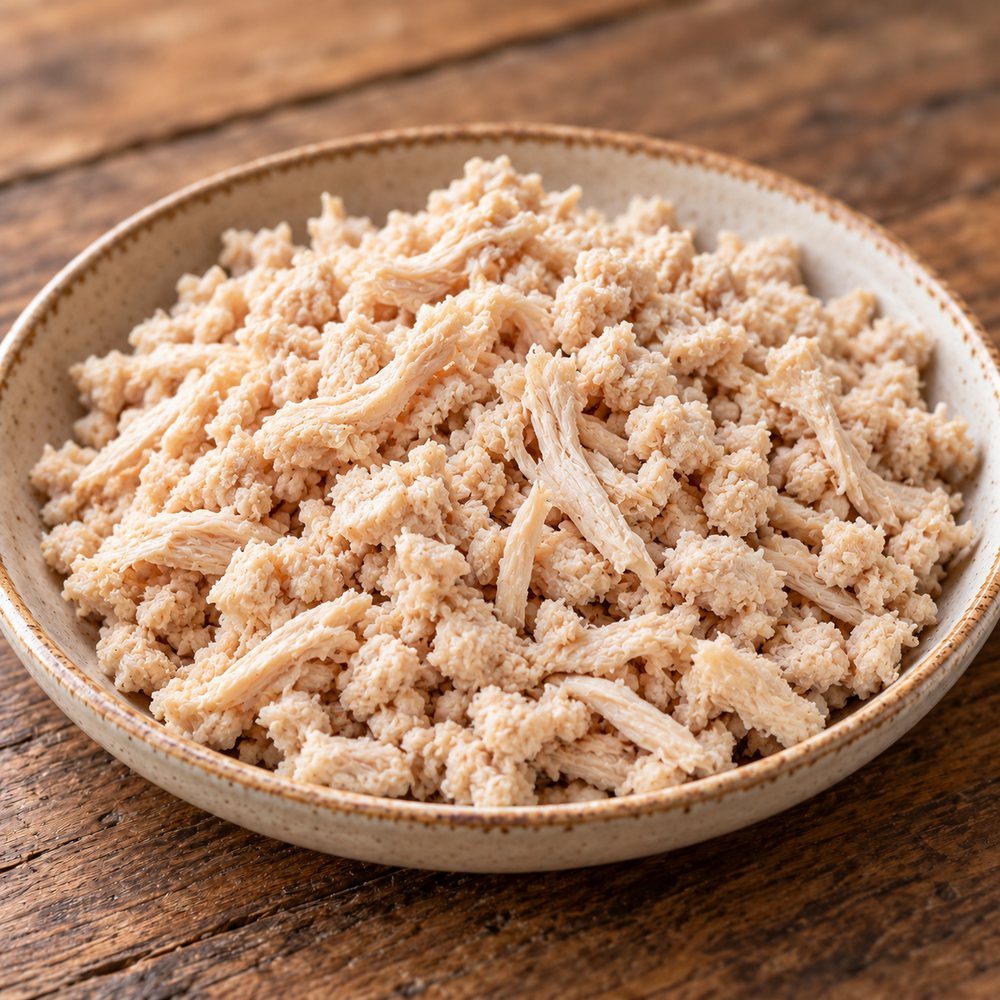
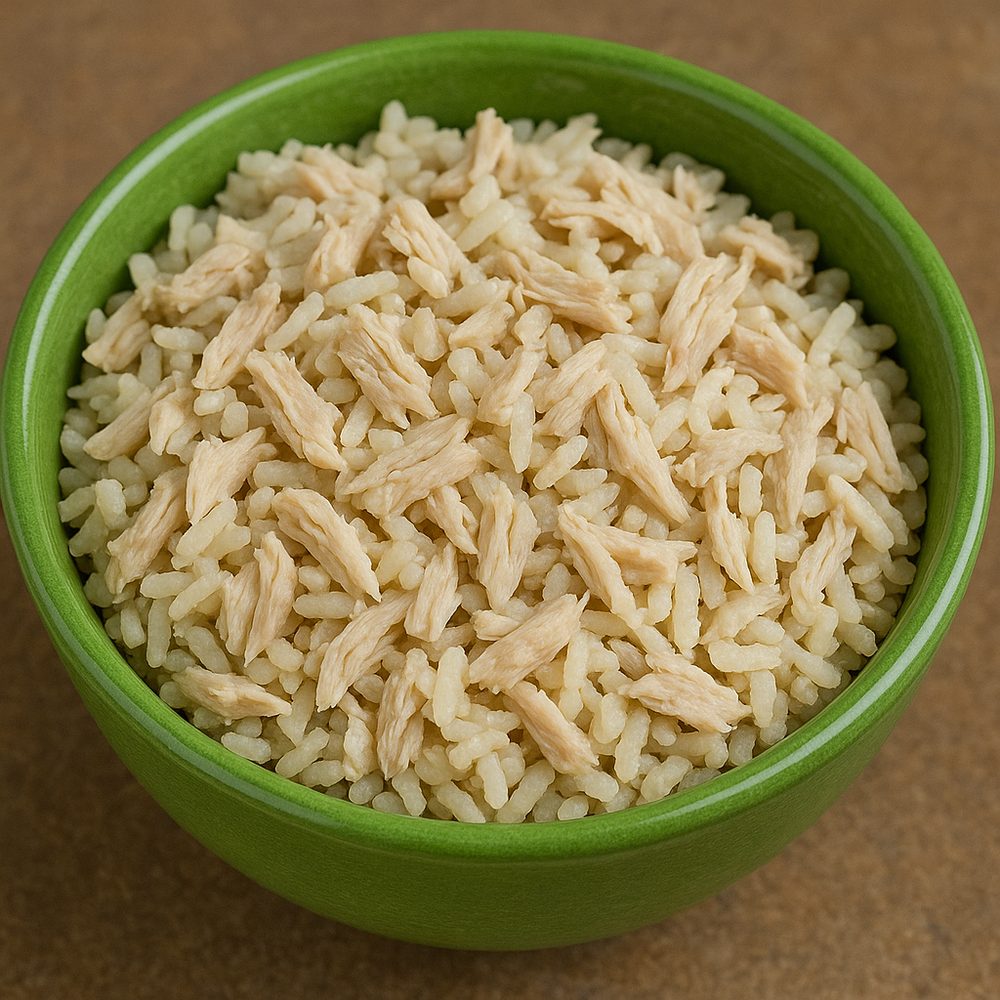
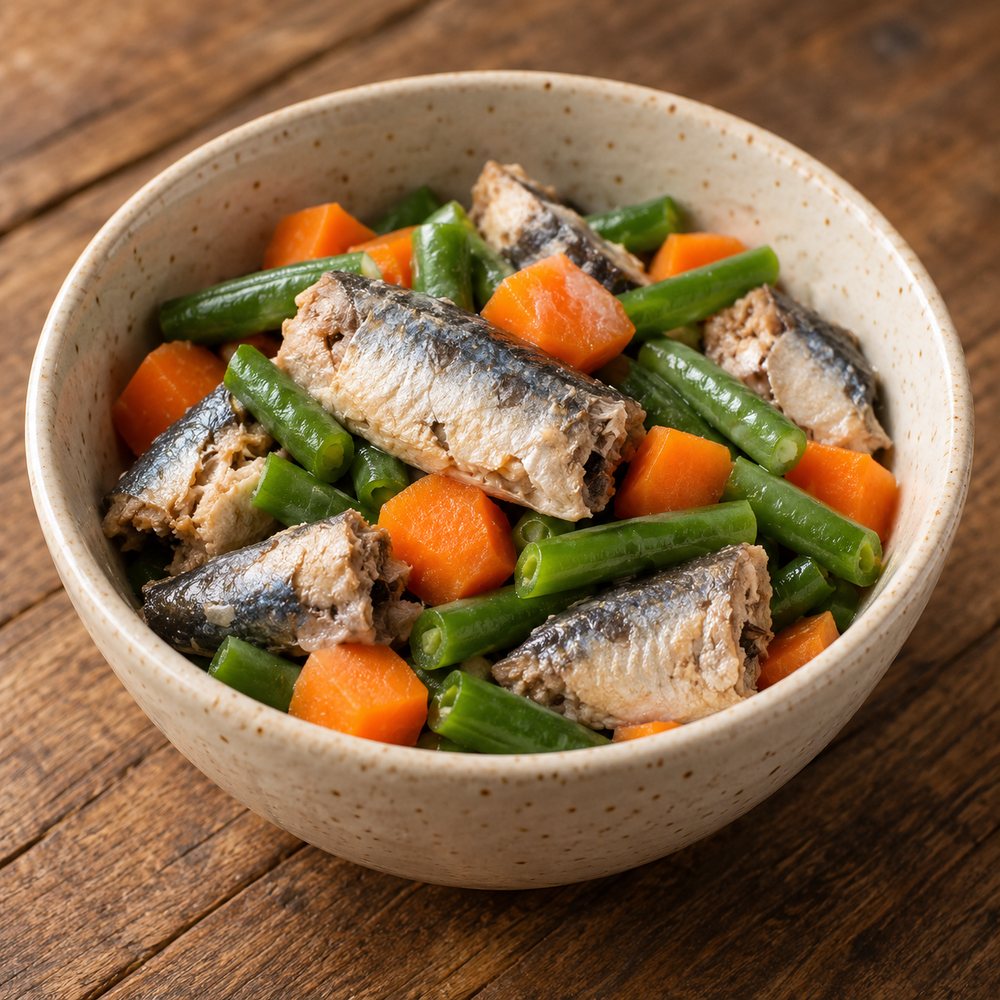
If your vet recommends a bland diet for a few days, keep it plain and low in fat. Our Boiled Chicken Keema is plain boiled chicken mince with nothing else added, and the Classic Combo is boiled chicken with white or brown rice. For dogs who do better without chicken, the Fish & veggie bowl is gently boiled fish with beans and carrots, no salt, oil or spices. Follow your vet's guidance on how much and for how long. And for the rest of the festival, a pet-safe treat beats a sneaky piece of barfi: see our Diwali hamper ideas and our note on sharing prasad safely.
Questions about dogs eating Diwali sweets
How much chocolate is dangerous for a dog?
It depends on the type of chocolate, the amount and your dog's weight. Dark chocolate and cocoa are far more dangerous than milk chocolate, so call your vet with the details rather than guessing.
My dog ate one raisin. Is that okay?
There's no known safe amount of raisins or grapes for dogs, and the reaction can't be predicted. Call your vet straight away, even for one or two.
Should I give my dog salt water to make it vomit?
No. Salt can cause serious salt poisoning. Only make your dog vomit if a vet tells you to, and preferably let the clinic do it.
Is silver varq toxic to dogs?
The silver leaf on sweets is generally inert in the tiny amounts used. The sugar, fat and other ingredients in the mithai are the real concern.
When do symptoms of pancreatitis show after a dog eats fatty food?
Usually within one to four days. Watch for repeated vomiting, a painful belly, hunching, lethargy and loss of appetite, and see your vet if they appear.
Sources
- Merck Veterinary Manual: Chocolate toxicosis in animals
- Merck Veterinary Manual: Grape, raisin and tamarind toxicosis in dogs
- Merck Veterinary Manual: Xylitol toxicosis in dogs
- Merck Veterinary Manual: Macadamia nut toxicosis in dogs
- American Kennel Club: Pancreatitis in dogs
- ASPCA Animal Poison Control Center
Plain, gentle meals if your vet suggests them
If your vet recommends a bland diet while your dog's tummy settles, these simple bowls keep it plain and easy.

Main Meals For dogs & cats
Classic Combo

- Protein
- Healthy fats
- Slow-release energy
₹350 Medium · 350 g 2 sizes
Main Meals For dogs & cats
Fish & veggie bowl
-

-

-

-

-

- +2
- Protein
- Healthy fats
- Fibre
- Vitamins
₹495 Small · 250 g
See the full menu or ask our nutritionist what suits your pet.
Was this helpful?
Share with a pet parent