Navratri prasad and bhog: which offerings are safe for your dog or cat
Banana, coconut and plain chana are easy to share. Halwa, kheer and panchamrit are better skipped, and the raisins on top are genuinely dangerous. Here is how to make your pet a prasad plate of their own.
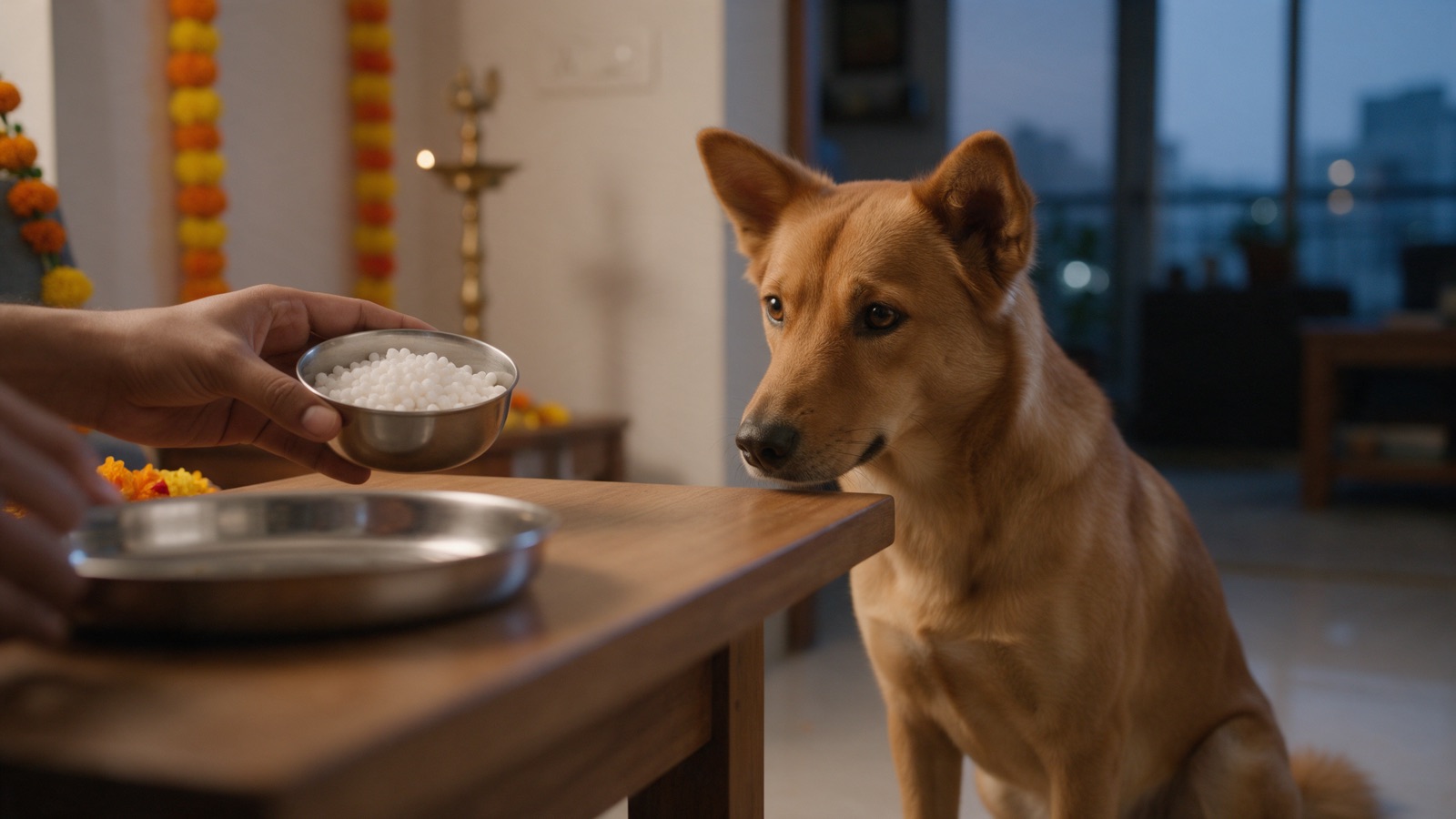
Prasad is meant to be shared, and in many homes the dog gets a little of everything that comes back from the puja room. During Navratri that can mean a lot: sooji halwa, puri and kala chana on Ashtami for kanya pujan, sundal every evening for the Golu (Bombe habba) visitors here in Bangalore, kheer, panchamrit, coconut, bananas, and little piles of mishri and kishmish.
Sharing is a lovely instinct, and it does not need to stop. It just helps to know which offerings are fine for a pet in their plain form and which carry a real risk. One item on the thali, raisins, is genuinely dangerous for dogs, so it is worth reading this before Ashtami.
Prasad is meant to be shared. Just keep the kishmish out of the paw-print.
The short version
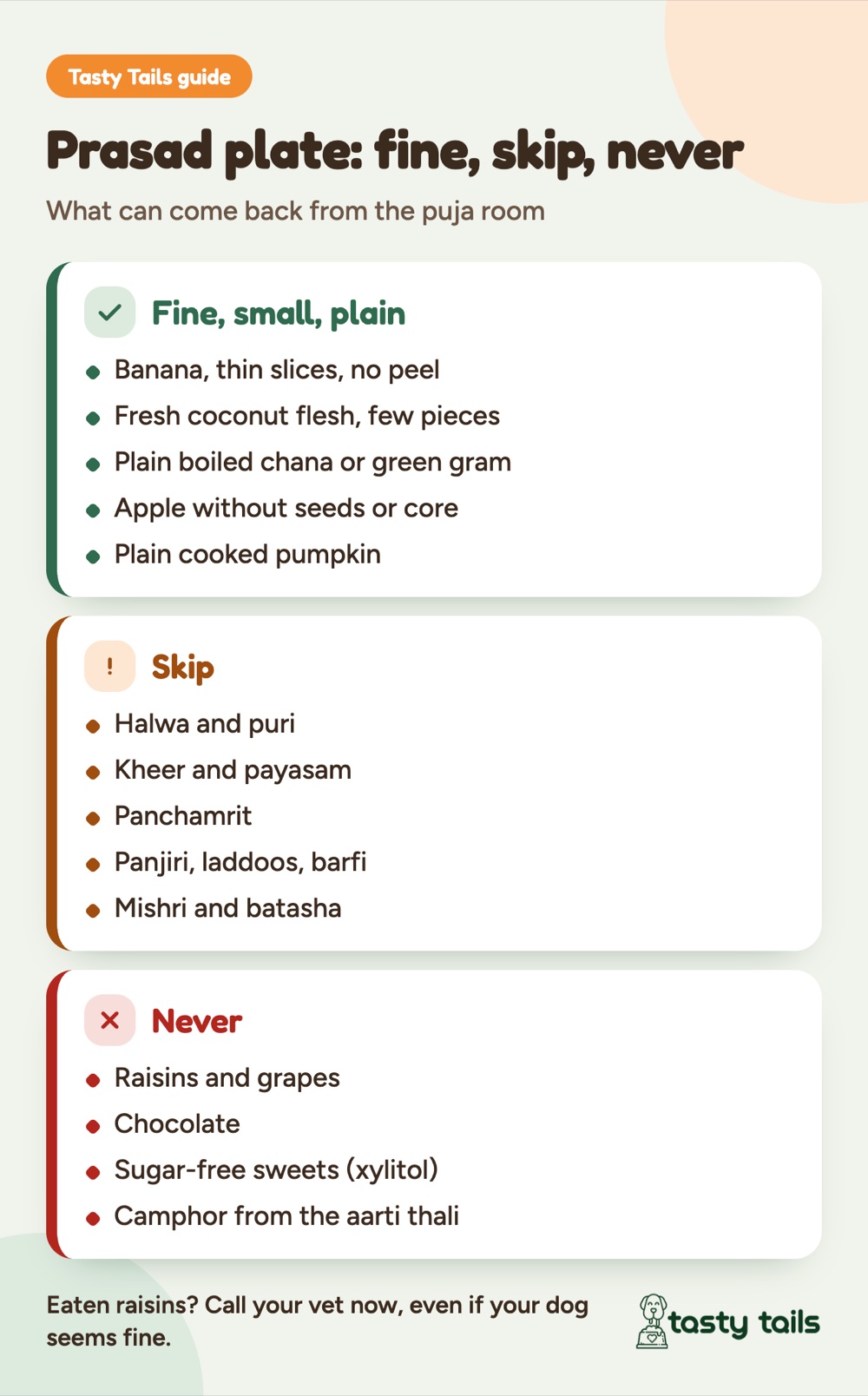
- Fine in small, plain amounts: banana, fresh coconut flesh, plain boiled chana or green gram before tempering, apple without seeds, plain cooked pumpkin.
- Skip: halwa, puri, kheer, payasam, panchamrit, panjiri, laddoos and barfi made with ghee and sugar, mishri and batasha.
- Never: raisins (kishmish), grapes, chocolate, anything sugar-free that may contain xylitol, and camphor from the aarti thali.
Offerings that are fine, in their plain form
Banana
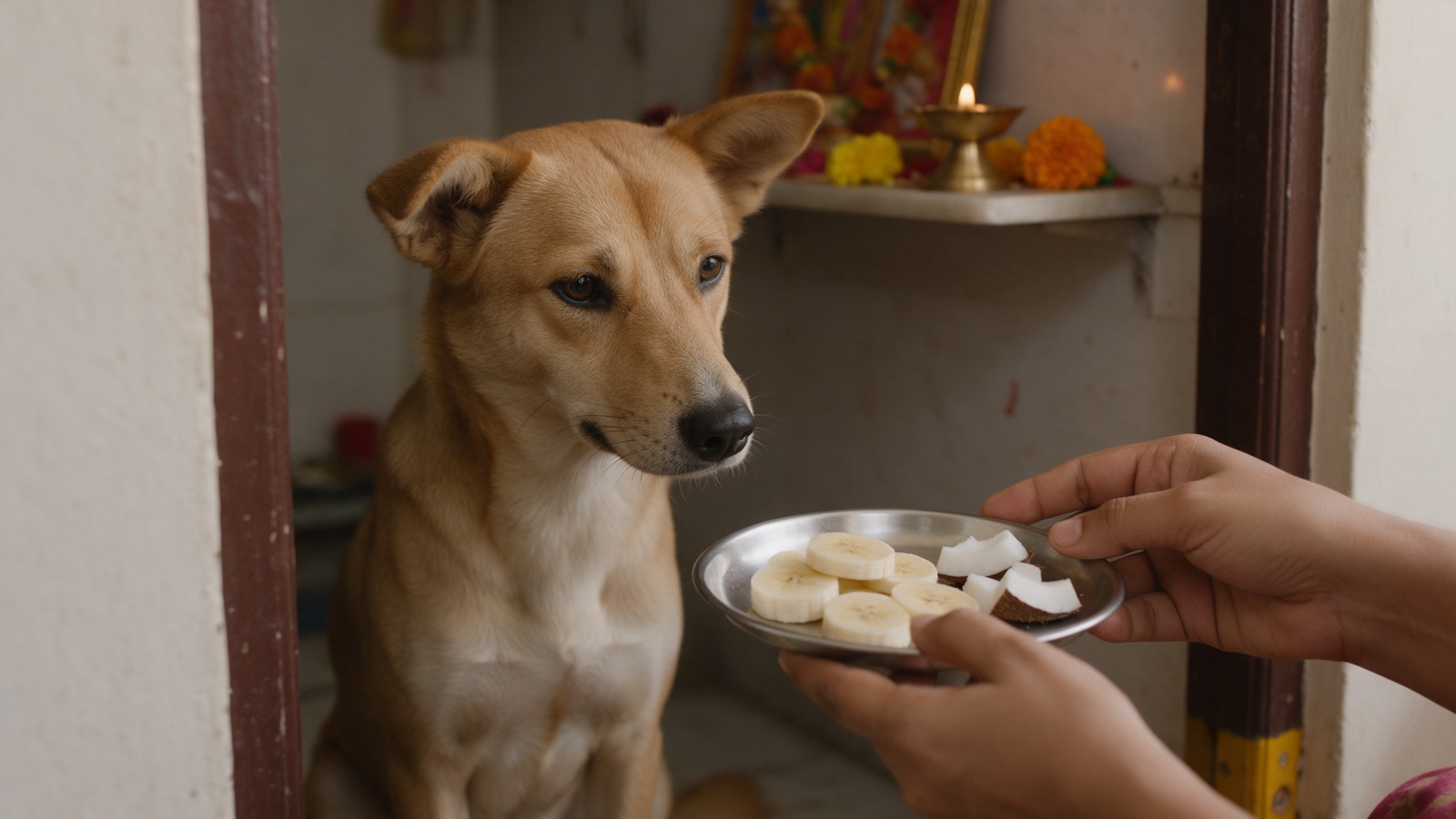
Banana is the easiest prasad to share. It is soft, safe and most dogs love it. It is also high in sugar, so think in thin slices: one or two for a small dog, a few for a large one. Do not give the peel, which is hard to digest and can cause a blockage in small dogs.
Coconut
The coconut broken at the puja is fine in small amounts. Fresh coconut flesh, cut into thin pieces, is non-toxic for dogs. It is fatty, though, so a few small pieces is plenty, and dogs prone to pancreatitis should skip it. Never give the hard shell or the fibrous husk, which can splinter and block the gut. A little coconut water is fine, but not a whole glass.
Kala chana and sundal
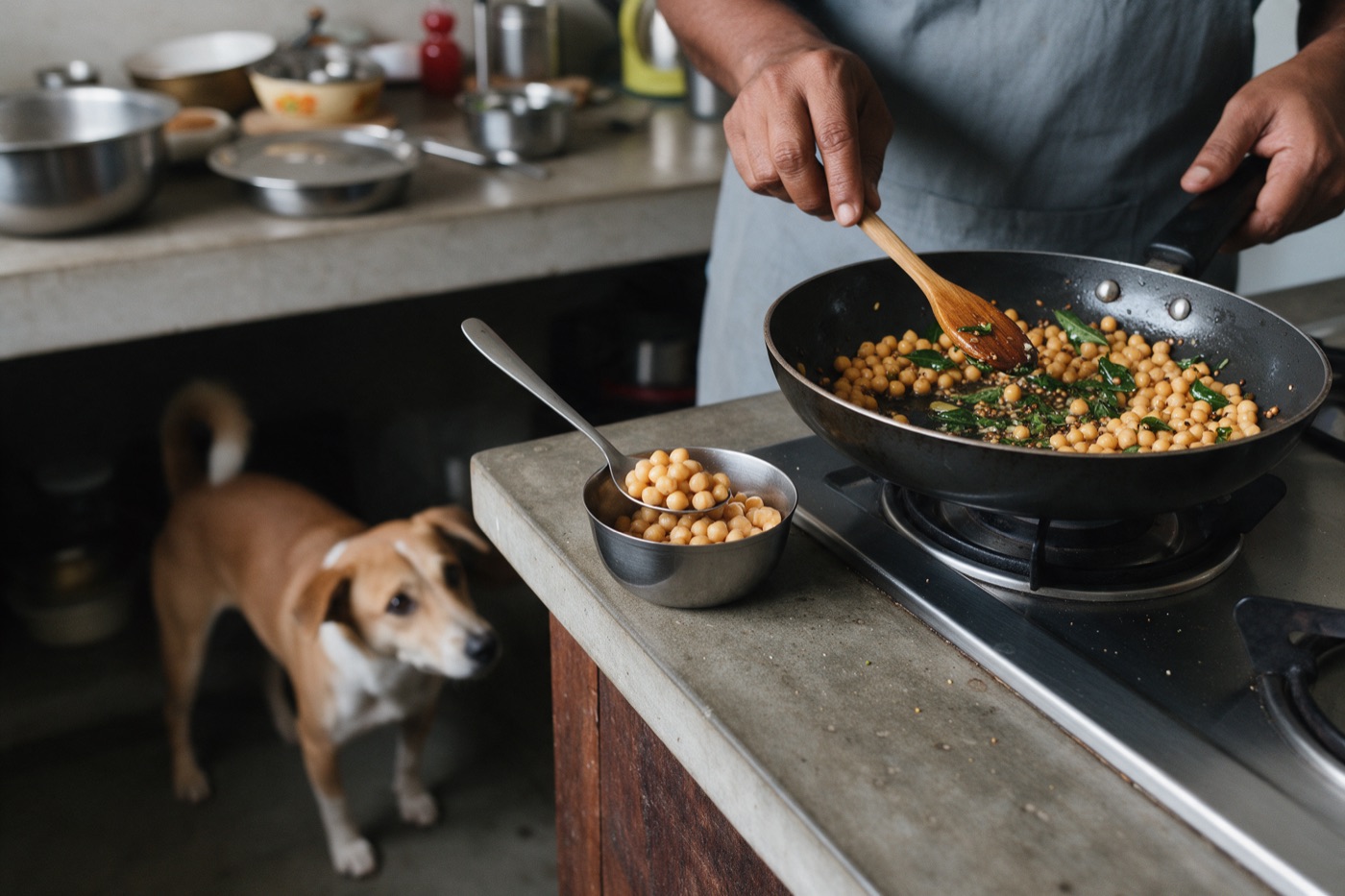
Ashtami chana and South Indian sundal start out as plain boiled chickpeas, green gram or other legumes, which are fine for most dogs in small, well-cooked, mashed amounts. The problem is what happens next: the tadka of oil, mustard seeds, hing, green or red chilli, and salt. Kala chana for kanya pujan is often dry-cooked with ghee, chilli and amchur.
The easy fix is to set aside a spoonful for your dog before the tempering goes in. Mash it a little for small dogs. Legumes can cause gas, so keep it to a spoon or two.
Fruit plates
Apple (no seeds or core), papaya (no seeds), pear and guava in small pieces are generally fine. Remove the grapes from the plate before you share anything from it.
Offerings to skip
Halwa and puri
Sooji or atta halwa is cooked in generous amounts of ghee with sugar, and it usually has raisins and cashews scattered on top. Puris are deep fried. A sudden rich, fatty meal is one of the best-known triggers of pancreatitis in dogs, a painful inflammation of the pancreas that can need a hospital stay. Small breeds, overweight dogs, and dogs who have had pancreatitis or a sensitive stomach before are most at risk. One lick of halwa off a finger is unlikely to cause trouble; a bowl of leftovers from the kanya pujan plates is a different story.
Ghee on its own
Some families give pets a spoon of ghee for luck or a glossy coat. Ghee is almost pure fat. A trace in a balanced meal is fine, but spoonfuls are not a treat a dog's pancreas welcomes.
Kheer and payasam
Kheer combines milk, sugar, cardamom and often raisins and nuts. Payasam is similar, often with jaggery, ghee, cashews and kishmish. Many adult dogs and most adult cats do not digest lactose well, so milk-heavy sweets can lead to gas, bloating and diarrhoea. Add the sugar and raisins, and these are firmly on the skip list.
Panchamrit
Panchamrit is milk, curd, ghee, honey and sugar, sometimes with tulsi or chopped dry fruit. Nothing in a classic panchamrit is acutely toxic, but it is a mix of dairy, fat and sugar with no benefit for a pet. If a few drops are spilled and licked up, do not worry; just do not offer a spoonful. If your family's version includes raisins, keep it well away.
Mishri, batasha, laddoos and barfi
Sugar crystals and sugar drops are empty calories and bad for teeth. Besan laddoo, coconut barfi and panjiri are rich with ghee and sugar, and panjiri usually contains dry fruit. If you want your dog to have a festive treat, it is better to use one made for dogs.
The ones that are never OK
Raisins and grapes
This is the big one. Grapes, raisins, kishmish and currants can cause sudden kidney failure in dogs. The reaction is unpredictable: some dogs eat several with no harm, others become seriously ill after a handful, and there is no known safe amount. Raisins are hidden in halwa, kheer, payasam, panjiri and dry fruit mixes, so it is easy for a dog to get some without anyone noticing. There are reports of cats being affected too, so keep raisins away from them as well.
If your dog eats any raisins or grapes, call your vet or nearest 24-hour clinic immediately, even if they seem fine. Early treatment protects the kidneys, and waiting for symptoms (vomiting, lethargy, not eating, drinking or urinating less) wastes valuable time.
Chocolate and sugar-free sweets
Chocolate prasad and chocolate barfi are increasingly common, and chocolate is toxic to dogs and cats. Sugar-free sweets and gum may contain xylitol, which can cause a dangerous drop in blood sugar and liver damage in dogs. Read every label.
Camphor and the puja thali
The aarti plate has its own hazards: camphor tablets, which are toxic if eaten and can cause vomiting and seizures, plus lit diyas, agarbatti and kumkum. Keep the thali on a high surface and never leave a lit diya at tail height. Our Diwali pet safety guide covers diyas and sweets in more detail.
Raisins and grapes have no known safe amount. If your dog eats any, call your vet at once.
A pet's prasad plate
If you like your dog to have their share of the blessing, make them a small plate of their own while you are cooking:
- A spoon of plain boiled chana or green gram, set aside before tempering.
- Two or three thin slices of banana, or a few small pieces of apple.
- A couple of small pieces of fresh coconut.
- Or one dog-safe festive treat in place of the mithai.
Keep the total small, no more than about 10% of your dog's food for the day, and leave it out entirely for dogs with a sensitive stomach or a history of pancreatitis. If your dog has known food allergies, stick to foods you know agree with them; our food allergy guide explains why. For the earlier part of the festival, see which Navratri vrat foods are safe to share.
Festive treats made for dogs
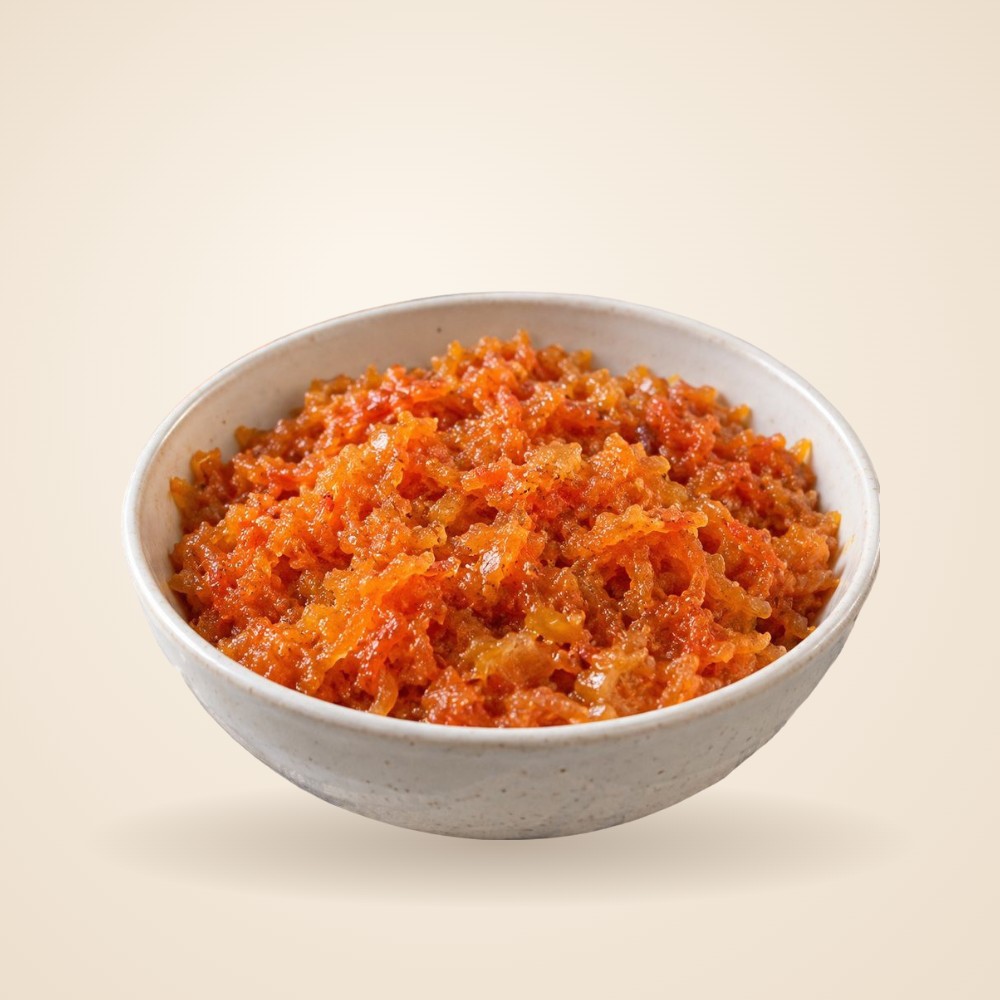
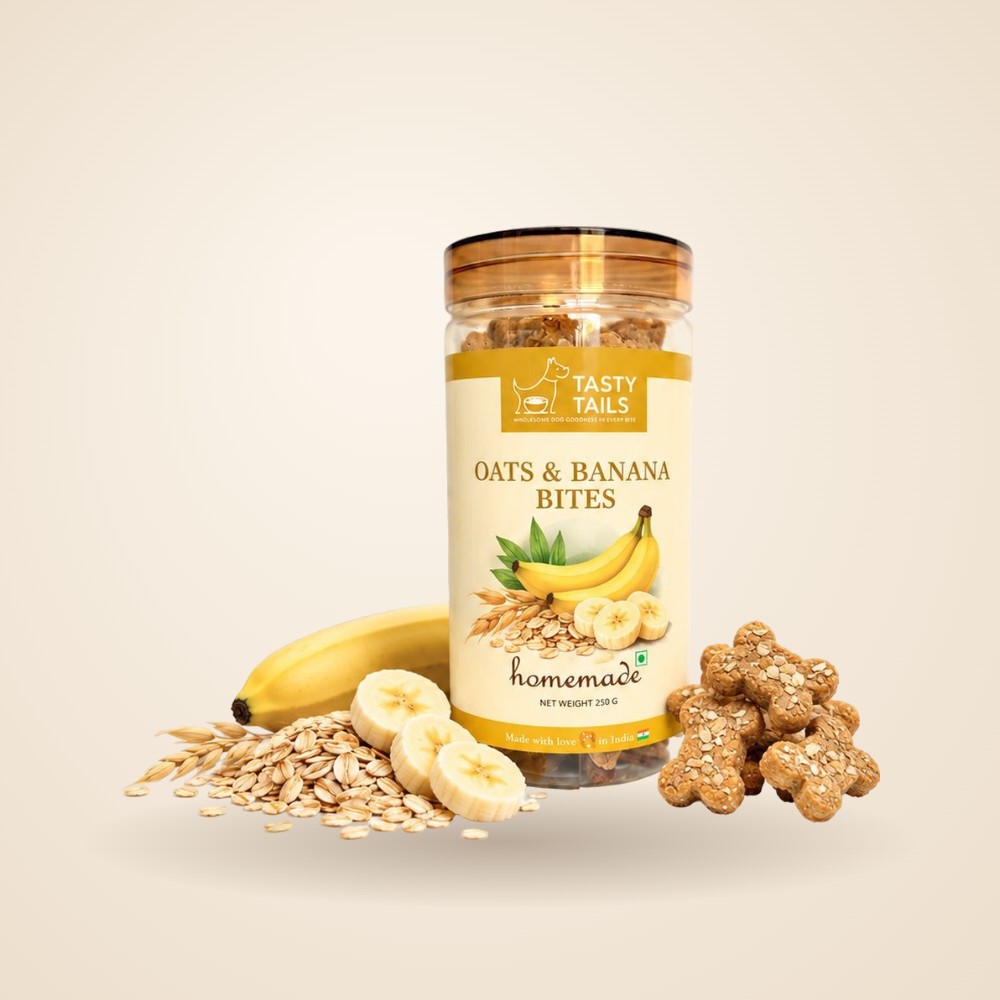
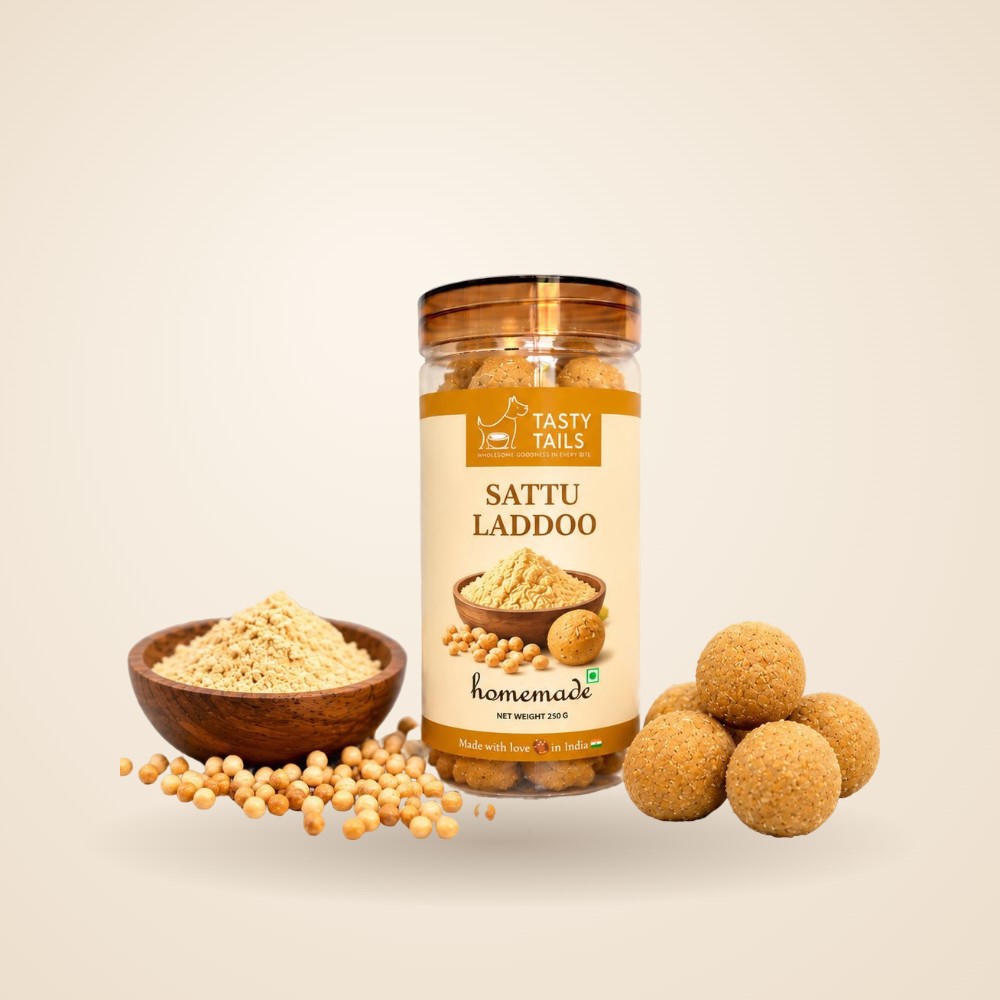
If you would rather give your pet their own sweet, our Pumpkin & Carrot Halwa is cooked down with only a little ghee and no added sugar; the sweetness comes from the vegetables. A small spoon is enough. Our Oats & Banana Cookies put the banana from the prasad plate into a crunchy treat, and the Sattu Laddoo, made from organic roasted gram flour, is a laddoo your dog can actually have, broken into small pieces.
Questions about prasad and pets
Can dogs eat prasad halwa?
It is best not to share it. Halwa is made with plenty of ghee and sugar and often contains raisins, which are toxic to dogs. A fatty meal like this can also trigger pancreatitis.
Is coconut from the puja safe for dogs?
A few small pieces of fresh coconut flesh are fine for most dogs. Never give the shell or husk, and skip coconut for dogs with a history of pancreatitis.
Can I give my dog panchamrit?
It is not toxic in a classic recipe, but it is milk, curd, ghee, honey and sugar, which can upset the stomach. A few spilled drops are not a worry; do not offer it as a treat, especially if it contains raisins.
My dog ate a few raisins from the prasad. Should I wait and watch?
No. Call your vet or nearest 24-hour clinic straight away, even if your dog seems normal. There is no known safe dose, and early treatment gives the kidneys the best protection.
Can cats have kheer or milk prasad?
Most adult cats are lactose intolerant, and kheer adds sugar and often raisins. Skip it and give your cat a little of their usual food or a cat-safe treat instead.
Sources
Festive treats made for dogs
Simple festive treats from our kitchen, with no raisins and no added sugar syrup, to give your dog in place of the mithai.





See the full menu or ask our nutritionist what suits your pet.
Was this helpful?
Share with a pet parent