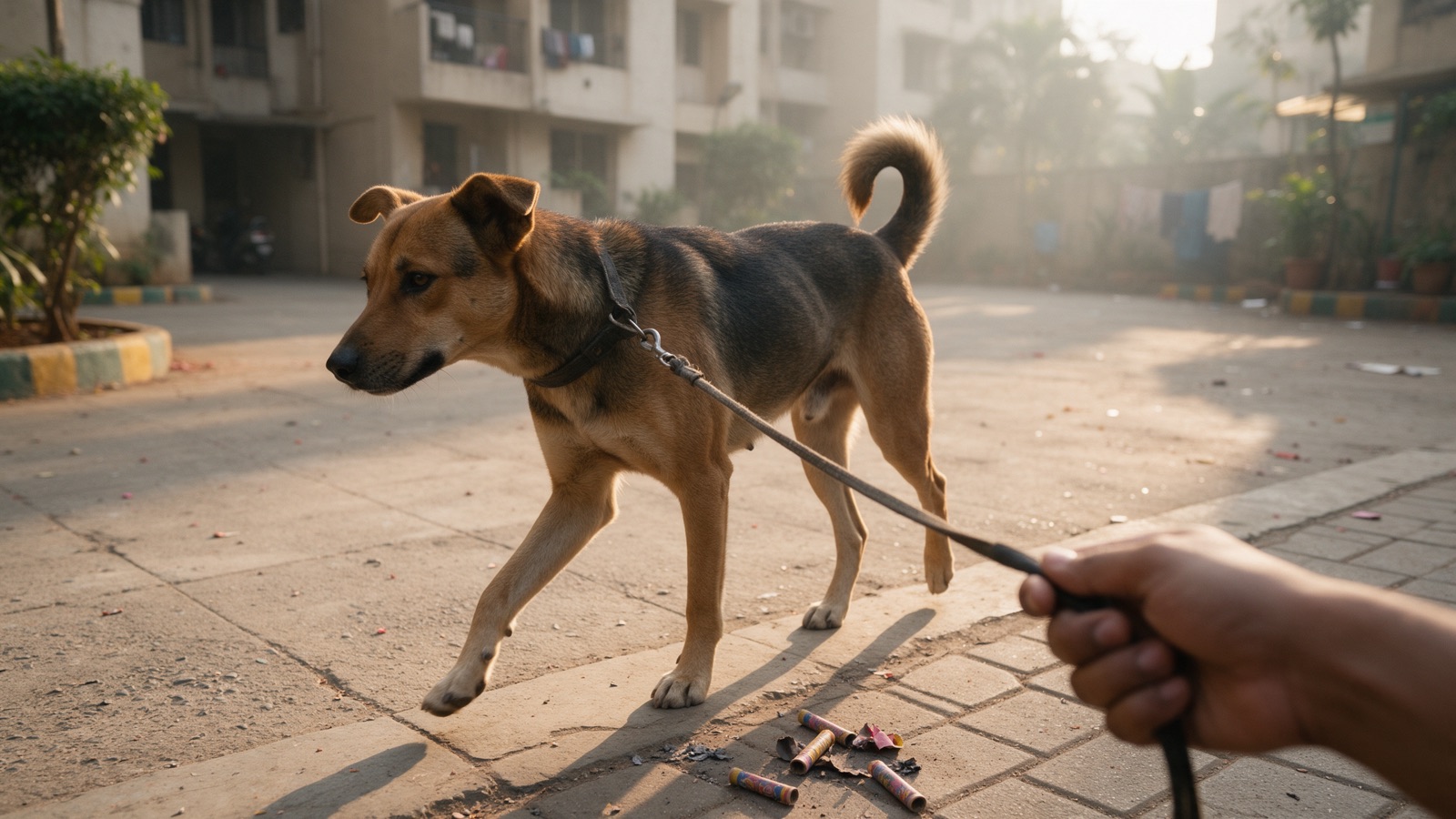
Dog skin and coat health: shedding, dryness and itching as the weather turns
Heavy shedding, dandruff and night-time scratching are common as the rains give way to cooler, drier days. Here is how to tell normal from not, what causes itching, and a simple routine that helps.
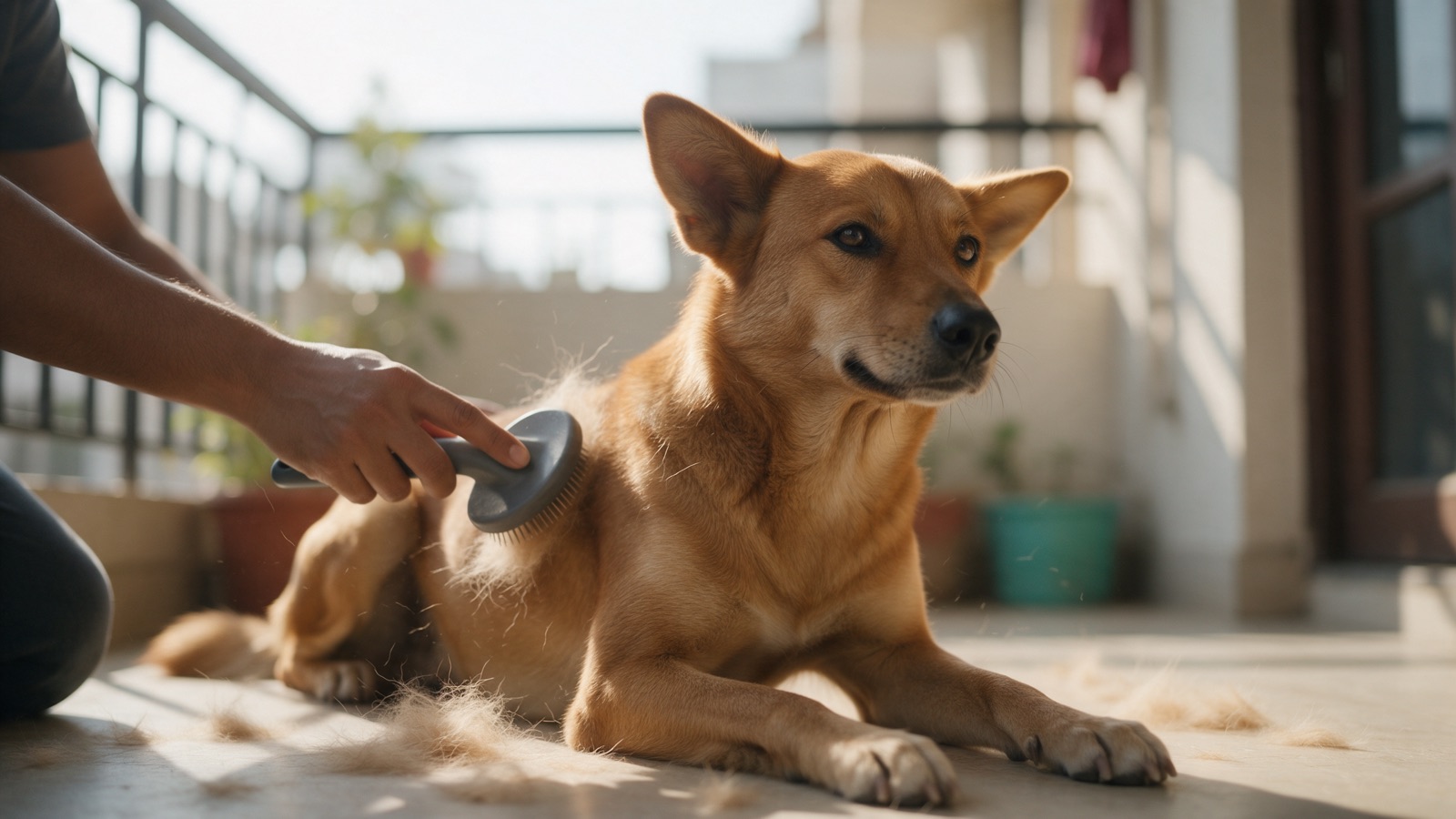
Early November is a funny time for skin in Bangalore. The last of the northeast monsoon showers keep things damp, mornings start to turn cool and dry, and by December many homes switch from fans to blankets. Dogs feel all of it in their coats: some shed in drifts, some get flaky, and some start scratching at night just as the Diwali preparations begin.
Most of this is normal and fixable at home. Some of it is not. Here is how to tell the difference, and what actually helps.
A shiny coat is mostly good food, regular brushing and a dry dog; the rest is spotting trouble early.
What a healthy coat and skin look like
- The coat is even, with a natural shine, and no bald patches or broken hairs.
- Parting the fur shows pale pink or naturally pigmented skin, with no redness, scabs, black specks or greasy film.
- There is no strong smell. A faint "doggy" smell is fine; a sour, cheesy or yeasty smell is not.
- Ears are pale inside and do not smell.
- Your dog scratches now and then, but not in long bouts and not enough to wake you up.
If you have not done a full check recently, our nose-to-tail home check includes the skin and coat.
Shedding: normal or not?
All dogs shed. Double-coated breeds such as Labradors, Golden Retrievers, German Shepherds, Huskies and Spitz-type dogs drop their soft undercoat in heavy bursts, often with seasonal changes. In a mild climate like Bangalore's, many of them shed a little all year with a couple of heavier phases. Indian breeds and short-coated dogs usually shed lightly and steadily.
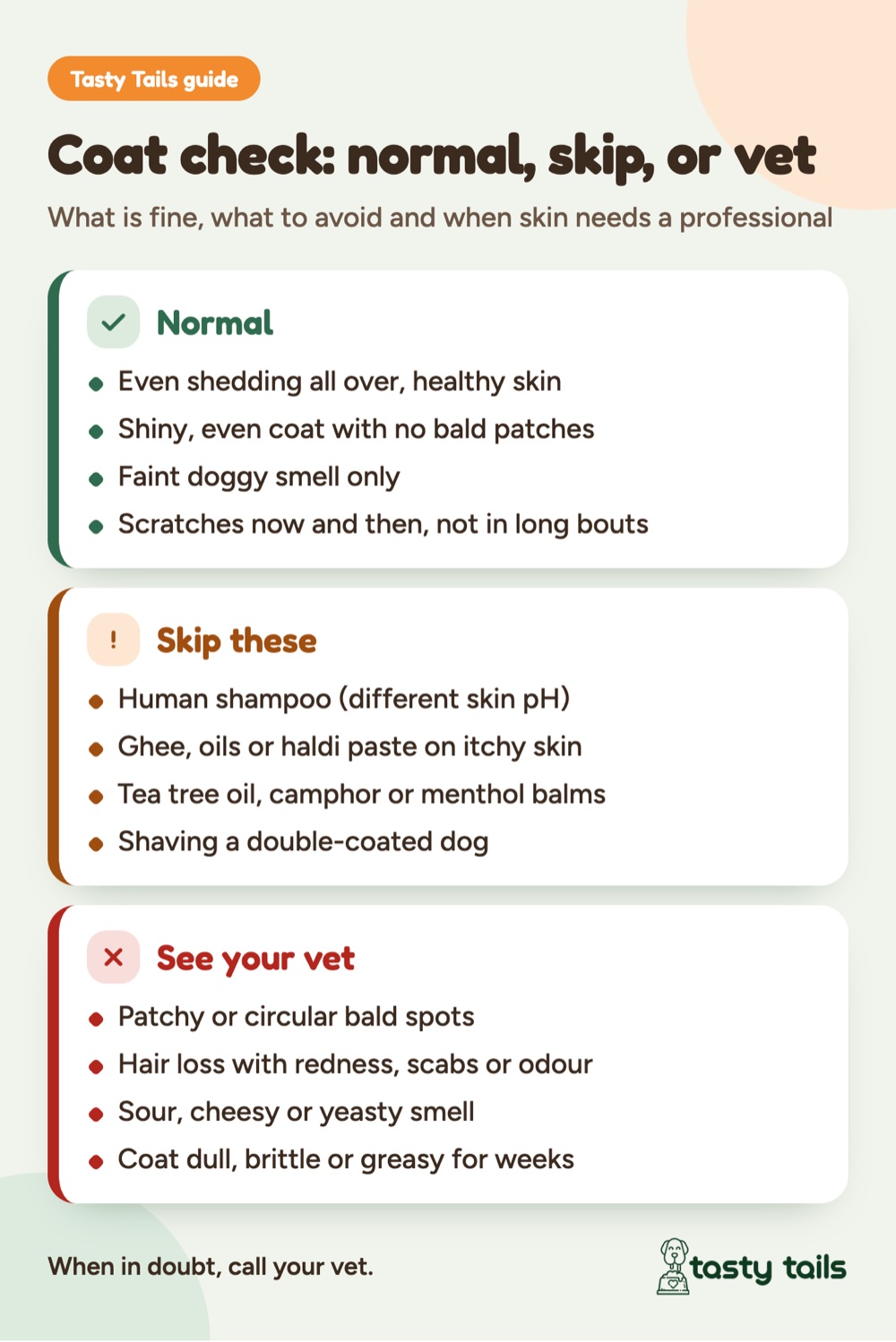
Normal shedding is even, all over, and the skin underneath looks healthy. Not normal is:
- Patchy or circular bald spots.
- Thinning on both sides of the body, the tail ("rat tail") or the belly.
- Hair loss with redness, scabs, crusts, odour or itching.
- A coat that has become dull, brittle or greasy over a few weeks.
Any of these deserve a vet visit. Hormone problems such as an underactive thyroid, skin infections, mites and ringworm can all look like "too much shedding" at first.
Dryness and dandruff as the weather turns
Flaky skin in the cooler, drier months is common, and the usual culprits are simple:
- Bathing too often, or with human shampoo. Human products are made for a different skin pH. Use a mild shampoo made for dogs, and for most healthy dogs a bath every few weeks is plenty unless your vet prescribes medicated baths.
- Not rinsing properly, which leaves residue that itches.
- Not enough brushing. Brushing spreads natural oils and lifts dead undercoat. A few minutes most days is better than a long session once a month.
- Diet gaps. Skin is one of the first places a poor or unbalanced diet shows. Dogs need enough good-quality protein and the right fats, including omega-3 and omega-6 fatty acids, in a complete and balanced diet.
A word on home remedies: a little coconut oil rubbed on a dry nose is harmless for most dogs, but oils, ghee or haldi pastes slathered on itchy skin can trap moisture, attract dirt, upset tummies when licked off and delay proper treatment. Do not use tea tree oil, camphor, menthol balms or human steroid and antifungal creams on your dog without your vet's say-so; some are toxic when licked.
Why is my dog so itchy?
Itching (vets call it pruritus) is a symptom, not a diagnosis. The most common causes in Indian homes are:
Parasites
Fleas, ticks and mites are top of the list. After the rains, ticks are everywhere in Bangalore's parks and empty plots. Some dogs are allergic to flea saliva, so even one or two bites cause intense itching around the lower back and tail base. Mange mites cause severe itching (sarcoptic mange, which is contagious and common in street dogs) or patchy hair loss (demodectic mange, often in puppies). Regular, vet-recommended tick and flea prevention is the single most useful thing you can do for skin. It also protects against tick fever.
Environmental allergies
Dust mites, pollen, grasses and moulds can cause atopic dermatitis: licking and chewing the paws, rubbing the face, scratching armpits and belly, and repeated ear infections. It often starts in young adult dogs and tends to flare in particular seasons.
Food allergies
Less common than people think, but real. The signs overlap with environmental allergies, often with ear problems and sometimes loose stools. The only reliable way to diagnose it is a strict elimination diet under your vet's guidance; our guide on food allergies and elimination diets explains how it works.
Infections
Bacterial skin infections (pyoderma) and yeast overgrowth (Malassezia) love Bangalore's damp spells. Signs include red bumps, rings of crust, greasy skin, a musty smell and darkened skin in the armpits and groin. These are usually secondary to an underlying itch, so they tend to come back unless the root cause is found. Ringworm, a fungal infection, causes round patches of hair loss and can spread to people, so wash your hands after handling and see your vet.
Hot spots
A hot spot is a red, wet, painful patch that appears within hours, usually where a dog has been licking or chewing, often after a bath or a swim when the coat stayed damp. Thick-coated dogs are prone to them. They need a vet: they are painful, and they often need clipping and cleaning.
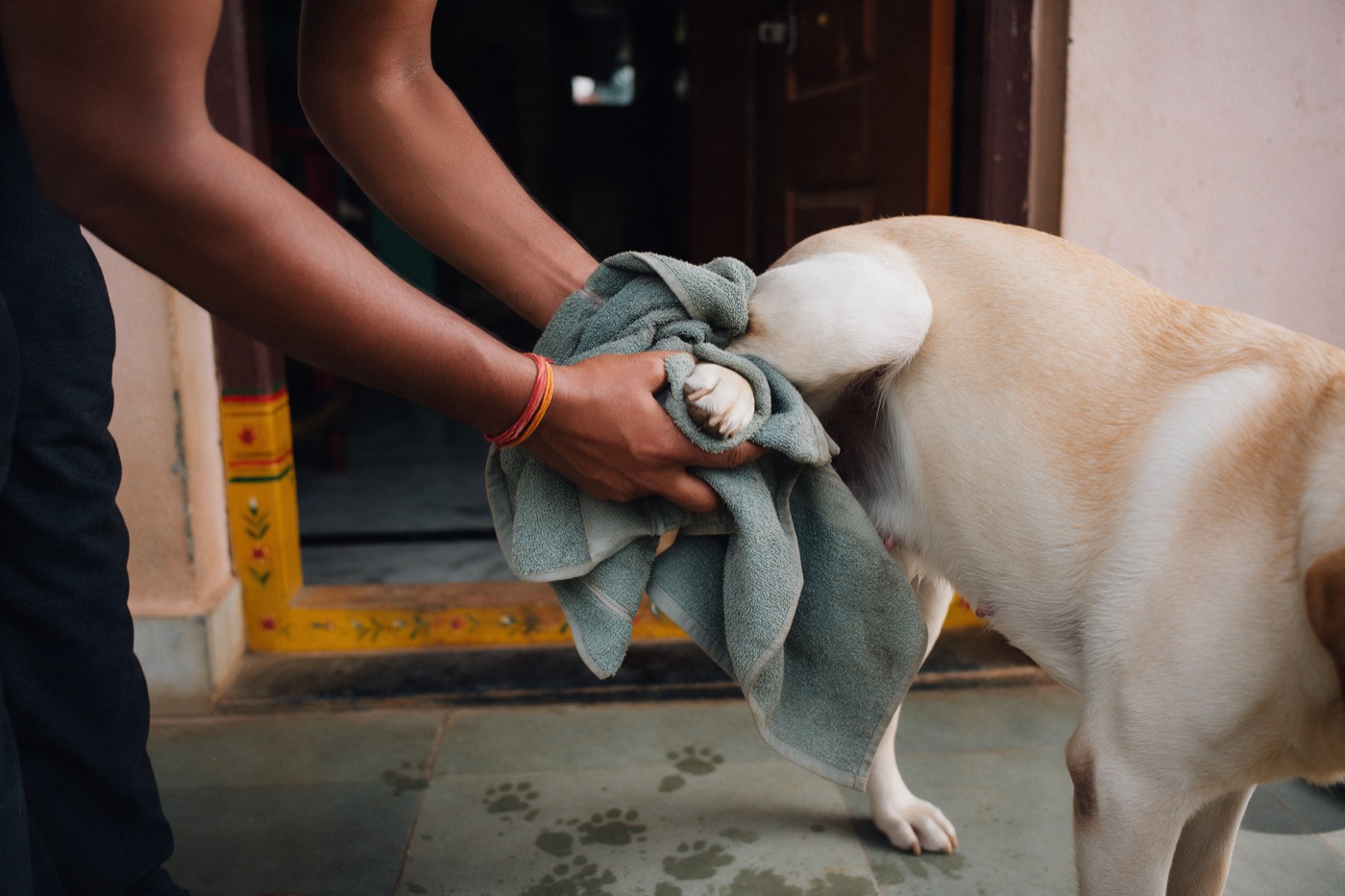
Damp undercoat is where skin problems start, so dry right down to the skin.
Monsoon-to-winter skin care routine
- Dry thoroughly after wet walks and baths, right down to the skin, including between the toes, the armpits and under the collar. Damp undercoat is where problems start.
- Brush regularly, with a tool that suits the coat: an undercoat rake for double coats, a rubber mitt for short coats.
- Check for ticks daily after walks, especially ears, neck, armpits and between toes.
- Keep up parasite prevention on the schedule your vet recommends, all year.
- Wash bedding weekly in hot water.
- Do not shave a double-coated dog for summer or for shedding. The undercoat insulates and protects the skin, and it may grow back patchy.
- Look at the diet before buying supplements. Ask your vet before adding fish oil or anything else, especially for dogs on other medicines.
Go to the vet now
- Swelling of the face, lips or eyes, or sudden hives, especially with vomiting or breathing trouble. This can be an allergic reaction, for example to an insect sting, and is an emergency.
- A hot spot or wound that is spreading fast, smells bad or is very painful.
- Itching so severe your dog is breaking the skin or cannot sleep.
- Head shaking, a head tilt, or a painful, smelly ear.
- Skin problems together with lethargy, fever or poor appetite.
- Any new lump, or a lump that is growing, changing or bleeding.
Itching can also be painful and make a dog irritable. Our earlier post on signs your dog is in pain covers the subtler clues.
Skin-friendly bowls from our kitchen
Food is not a cure for skin disease, but a complete diet with good protein and healthy fats is the foundation for a good coat. Our Salmon Fish Classic Bowl brings salmon, with its omega-3 fats, alongside rice, sweet potato and vegetables. Fish Delight is a good protein change for dogs who are bored of chicken. For treats, Fish Bites are single-ingredient dehydrated fish, handy for pets who cannot have chicken. If your vet suspects a food allergy, check every ingredient with them first, and keep treats to the plan during an elimination trial.
Questions about skin and coat health
How often should I bathe my dog?
For most healthy dogs, every three to six weeks with a mild dog shampoo is enough. Bathing much more often can dry the skin, unless your vet has prescribed medicated baths.
Is my dog shedding too much?
Heavy but even shedding with healthy skin underneath is normal, especially in double-coated breeds. Bald patches, thinning on both sides, redness, scabs or a bad smell are not, and need a vet check.
Can I put coconut oil on my dog's itchy skin?
A small amount on a dry nose or paw pad is usually harmless, but oil does not treat the cause of itching and can make infected skin worse. Find out why your dog is itching first.
Can I use human shampoo or creams on my dog?
No. Human shampoos suit a different skin pH, and many human creams and balms are harmful if licked. Use products made for dogs, and ask your vet before using anything medicated.
Sources
Fish bowls and treats for a glossy coat
Complete fresh meals and a single-ingredient treat with fish, a natural source of omega-3 fats for skin and coat.

Main Meals For dogs & cats
Salmon Fish Classic Bowl
-

-

-

-

-

- +3
- Protein
- Healthy fats
- Fibre
- Vitamins
₹950 Medium · 350 g




See the full menu or ask our nutritionist what suits your pet.
Was this helpful?
Share with a pet parent